
Mastering Consumer Public Relations: Essential Strategies for Success
Consumer public relations (PR) is about making your brand relatable and trustworthy to the public. This article will show you how to implement core PR strategies like media relations, content creation, and influencer outreach to boost your brand’s presence and create lasting consumer loyalty.
Key Takeaways
Consumer public relations focuses on brand awareness, trust-building, and maintaining a positive reputation through strategic communication and engaging content.
Effective consumer PR strategies rely on storytelling, regular consumer interaction, and a thorough analysis of target audiences and competitors to foster loyalty. Consumer PR strategies typically involve a wide range of channels, including social media and influencer partnerships, to maximize reach and engagement.
Hiring a specialized PR agency enhances brand visibility and consumer engagement by providing expert resources, innovative strategies, and efficient management of public relations.
Understanding Consumer Public Relations
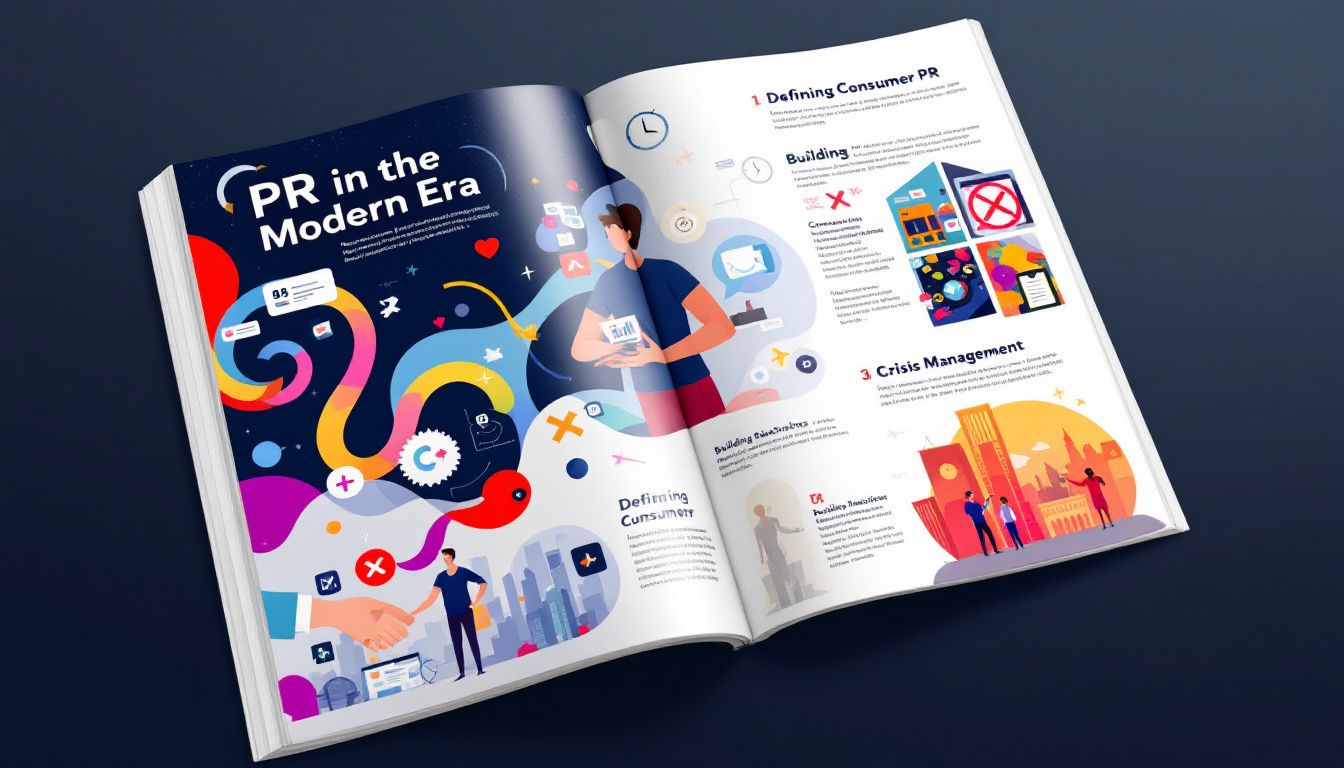
Consumer PR is the art of communicating with the public to create brand awareness, build trust, and maintain a positive reputation. It involves a strategic blend of activities aimed at shaping public perception, promoting products or events, and strengthening relationships with various stakeholders. The ultimate goal is to enhance audience reach and build lasting connections that translate into consumer loyalty and brand advocacy.
Effective consumer PR is integral to controlling public perception and improving reputation management. Aligning your PR strategy with your brand’s unique identity and objectives ensures that your messaging resonates with your target audience. Consumer public relations professionals must also filter messages to ensure appropriateness before sharing them, maintaining consistency and relevance in communication. Additionally, they act as translators between what the company wants to say and what consumers want to hear, ensuring that the messaging is both impactful and relatable.
Engaging content plays a pivotal role in this process, helping to increase connections with customers and reinforce your brand’s core messages. Consumer PR professionals create content that attracts interaction and encourages re-sharing, amplifying the reach and impact of your brand’s messaging.
Evolution of Consumer PR
Consumer PR has undergone a significant transformation over the years. Traditionally, it relied heavily on methods like press releases and media coverage to reach the public. However, with the advent of digital technology, the landscape has shifted dramatically. Modern consumer PR now leverages various digital channels, allowing brands to communicate more effectively and directly with their audience. This evolution has enhanced overall communication, making it more interactive and engaging.
PR professionals today focus on building direct relationships with consumers through storytelling and community engagement, rather than just broadcasting messages. This shift towards a more personalized approach has enabled brands to foster deeper connections with their audience, ultimately driving consumer loyalty and advocacy.
Key Characteristics of Effective Consumer PR
Effective consumer PR is characterized by its focus on storytelling and creating emotional connections with the audience. Unlike traditional advertising that often employs direct selling tactics, modern PRemphasizes narratives that resonate with consumers on a personal level. This approach not only captures attention but also builds a stronger, more relatable brand image. While consumer PR focuses on engaging customers and increasing visibility, corporate PR aims to improve the company image and attract investment, highlighting the distinct objectives of these two PR approaches.
Regular interaction with consumers across multiple channels is another hallmark of effective consumer PR. Maintaining consistent communication helps brands stay relevant in a competitive market and build trust over time. This continuous engagement helps in nurturing relationships and fostering customer loyalty, which is essential for long-term success.
Crafting a Consumer PR Strategy

Developing a successful consumer PR strategy begins with setting clear, measurable objectives. These objectives serve as a roadmap, guiding your campaign efforts and ensuring alignment with your brand’s goals. Key performance indicators (KPIs) are essential in this process, as they help assess the effectiveness of your campaigns and provide insights for improvement.
A well-structured PR strategy not only boosts brand visibility but also builds consumer trust by engaging the target audience. This involves a mix of proactive and reactive tactics designed to manage brand perception and address any negative feedback effectively.
Selecting the right PR agency can further enhance these efforts by ensuring that your strategy is aligned with industry trends and consumer expectations.
Setting Goals
Establishing clear objectives is the first step in crafting an effective consumer PR strategy. These goals should be specific, measurable, achievable, relevant, and time-bound (SMART) to provide a framework for evaluating campaign success. For instance, increasing brand visibility or improving consumer engagement are common objectives that can significantly enhance your PR efforts.
Defining your goals ensures that your PR campaigns are focused and aligned with your brand’s overall mission. This clarity not only guides the direction of your efforts but also helps in measuring the impact of your campaigns, thereby enabling continuous improvement.
Identifying Your Target Audience
Understanding your target audience is crucial for tailoring effective PR messages. This involves analyzing key demographics and consumer preferences to craft content that resonates with them. Utilizing tools like surveys and social media analytics can provide valuable insights into the behaviors and motivations of your audience, enabling more personalized and impactful communication.
Creating high-quality content that speaks directly to your target audience’s interests can drive higher engagement and foster consumer loyalty. Distributing content through the right channels maximizes its reach and effectiveness, ensuring that your PR campaigns resonate with a larger audience.
Analyzing Competitors
Analyzing competitors is a vital component of a successful PR strategy. Studying customer reviews and feedback helps gauge the trust and satisfaction levels of consumers. This analysis helps identify strengths and weaknesses in your competitors’ PR tactics, providing insights that can inform your own strategies and highlight areas for improvement.
Core Tactics in Consumer PR
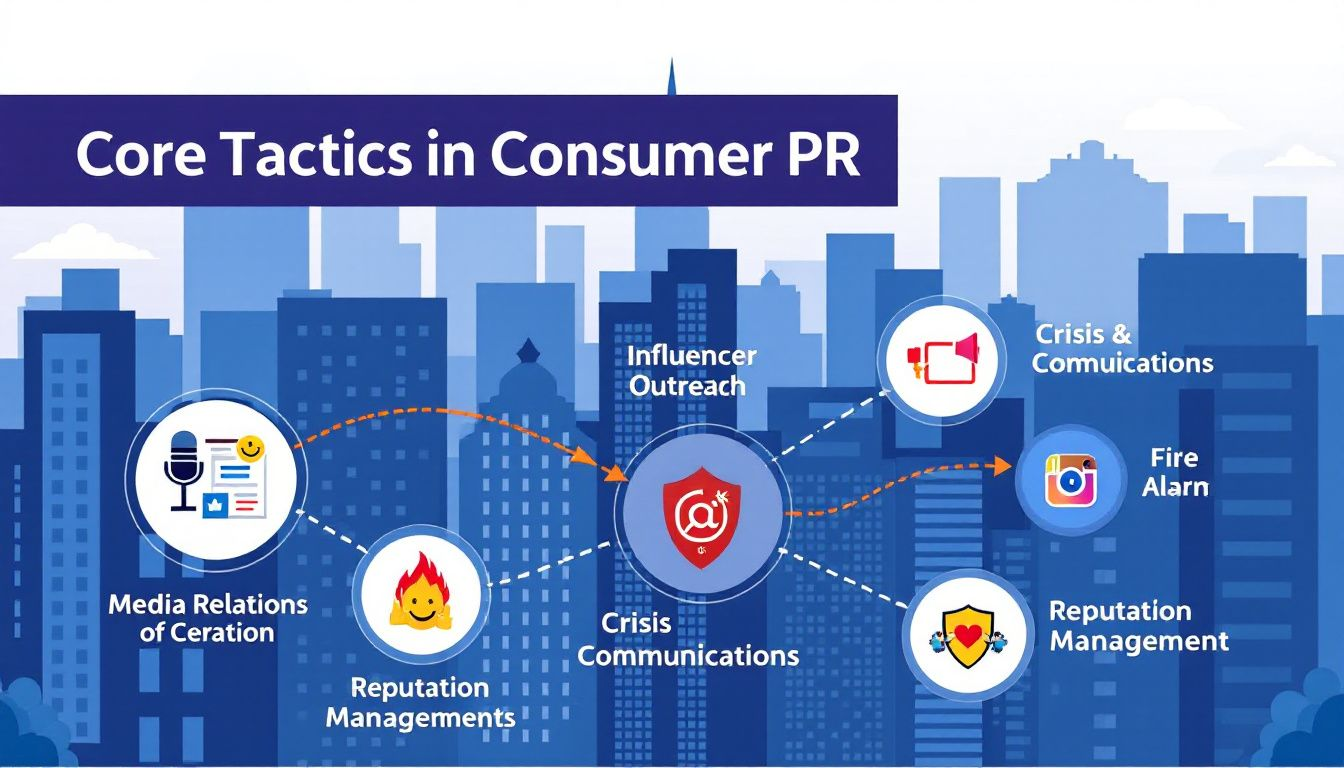
To effectively engage your audience, consumer PR professionals must employ a mix of strategies such as media relations, influencer outreach, and content creation. Additionally, creative strategies like product placements, influencer marketing, social media campaigns, and experiential events are used to captivate and connect with the target audience. Each tactic plays a unique role in enhancing brand visibility and consumer engagement, making it crucial to integrate them into your overall PR strategy.
Monitoring competitors’ PR strategies helps identify opportunities for differentiation and improvement. This continuous evaluation ensures that your tactics remain relevant and effective in an ever-changing market.
Media Relations
Building strong media relations is essential for securing press coverage and influencing public perception. Establishing robust relationships with journalists ensures that your key messages are effectively communicated to a broader audience. This, in turn, enhances your brand’s visibility and credibility.
Strategic press releases and targeted pitches are crucial tools in media relations. Leveraging these tools secures positive media coverage and builds long-term relationships with journalists, ultimately supporting your reputation management efforts.
Influencer Outreach
Collaborating with influencers can significantly enhance your brand’s credibility and expand its reach. Engaging with both macro and micro-influencers allows you to tap into diverse consumer segments, amplifying your brand message and building trust. Events are also effective tools in consumer PR for introducing brands to the public and attracting endorsements, further solidifying your brand’s presence in the market.
Influencer outreach not only boosts brand visibility but also fosters consumer loyalty by associating your brand with trusted voices in the industry. Carefully selecting influencers who align with your brand values ensures that your campaigns resonate with your target audience and drive meaningful engagement.
Content Creation and Distribution
Creating valuable content is at the heart of effective consumer PR. Understanding your target audience’s needs and interests is crucial for crafting content that engages and resonates with them. Utilizing various distribution channels such as social media, email marketing, and blogging enhances the reach and impact of your content.
Regularly evaluating engagement metrics helps refine your content strategies, ensuring that your PR efforts continue to drive consumer interaction and build brand loyalty. This continuous improvement process is key to maintaining relevance and effectiveness in your PR campaigns.
Measuring Success in Consumer PR
Evaluating the success of consumer PR campaigns involves analyzing various performance indicators to understand their impact on brand perception and sales. Metrics such as media impressions, share of voice, and brand sentiment analysis provide valuable insights into the effectiveness of your PR initiatives.
Regular assessments of PR efforts allow brands to refine their strategies and improve engagement over time. This continuous evaluation process is essential for sustaining positive consumer relationships and enhancing reputation management.
Tracking Media Coverage
Active media coverage is a crucial KPI for measuring the success of PR campaigns. Utilizing media monitoring tools allows brands to analyze the sentiment and reach of their coverage, providing insights into public perception. Sentiment analysis, in particular, helps determine if your brand is perceived positively or negatively, allowing for targeted adjustments to your PR strategy.
Monitoring media mentions also provides a clear picture of brand visibility and the overall impact of your PR efforts. This information is essential for refining your media relations tactics and ensuring consistent positive coverage.
Evaluating Customer Feedback
Customer feedback is a critical indicator of PR success, offering insights into consumer perception and satisfaction. Collecting feedback through surveys, social media comments, and online reviews allows brands to understand trends and identify areas for improvement.
Acting on customer feedback not only fosters transparency but also builds trust, reinforcing customer loyalty and enhancing brand reputation. This proactive approach to addressing consumer concerns is essential for effective reputation management and long-term success.
Assessing Online Engagement
A high level of online engagement is often linked to increased consumer loyalty and brand advocacy. Tracking metrics such as likes, shares, and comments on social media platforms provides a clear picture of how effectively your content resonates with audiences.
Engagement metrics, including the engagement rate, are crucial for assessing the impact of your PR campaigns and refining your strategies to enhance consumer interaction. This continuous evaluation ensures that your online presence remains strong and effective.
The Role of Consumer PR Agencies
Hiring a PR agency can significantly enhance a brand’s public image and consumer engagement. Professional PR agencies possess the expertise, resources, and networks necessary to manage consumer perceptions and media relations effectively. Leveraging their skills helps brands craft compelling narratives and maximize media exposure, ultimately driving consumer loyalty.
When selecting a PR agency, it’s crucial to consider their experience, client testimonials, and previous success with similar campaigns. This ensures that the agency’s approach aligns with your business goals and values, leading to a successful partnership and effective PR strategies.
Benefits of Hiring a PR Agency
Engaging a PR agency provides a broader range of expertise and resources than a single in-house hire, resulting in more innovative and effective strategies. Agencies offer specialized knowledge and access to industry insights that can significantly enhance your PR efforts.
Collaborating with a PR agency also leads to significant time savings, allowing businesses to focus on their core operations while experts handle their public relations. This partnership ensures that your messaging remains consistent and adaptable based on real-time consumer feedback.
Choosing the Right Agency
Selecting the right PR agency begins with understanding your own business goals and values to ensure alignment with the agency’s approach. Consider the agency’s experience, client testimonials, and case studies to gauge their capability and success in your industry.
Evaluate their communication style and willingness to customize strategies to suit your unique needs for a successful partnership.
Summary
Mastering consumer public relations requires a strategic approach that encompasses understanding your audience, setting clear goals, and employing a mix of effective tactics. From building strong media relations and engaging influencers to creating valuable content and measuring success, each aspect plays a crucial role in enhancing brand visibility and consumer trust.
In conclusion, a well-crafted consumer PR strategy can significantly impact your brand’s reputation and consumer loyalty. By continuously refining your approach and leveraging the expertise of PR professionals, you can navigate the dynamic landscape of consumer PR and achieve lasting success. Take these insights and strategies to heart, and watch your brand soar to new heights.
Curious to learn more about how Salient PR can elevate your public relations? Visit our website to explore our services and success stories.
Frequently Asked Questions
What is the primary goal of consumer PR?
The primary goal of consumer PR is to foster brand awareness, build trust, and maintain a positive reputation through effective public communication and stakeholder engagement. This strategic approach ultimately shapes public perception and loyalty towards the brand. Unlike corporate PR, which focuses on the long-term, overarching reputation of the company, consumer PR often has a more direct and sales-oriented objective, aiming to drive immediate consumer action and engagement.
How has consumer PR evolved over the years?
Consumer PR has significantly transformed from traditional methods, such as press releases, to modern digital strategies that focus on interactive and engaging communication through various digital channels. This evolution underscores the need for brands to adapt to changing consumer behaviors and preferences.
Why is setting clear goals important in a consumer PR strategy?
Setting clear goals is crucial as it offers a framework for measuring the effectiveness of PR campaigns and ensures that all branding efforts remain aligned with the brand’s broader mission. This alignment ultimately enhances the strategic impact of consumer PR initiatives.
How can analyzing competitors help in crafting a PR strategy?
Analyzing competitors allows you to uncover their successful PR tactics and pitfalls, which can guide you in refining your own strategy and enhancing your public relations efforts. This insight is essential for staying competitive and effectively addressing gaps in your approach.
What are the benefits of hiring a PR agency?
Hiring a PR agency offers specialized expertise and industry insights that can enhance your brand's visibility. Additionally, it allows your business to save time and focus on core operations while professionals handle your public relations strategies.