
Creating the Best Sample Public Relations Plan: Step-by-Step Guide (+Template)
Looking for a sample public relations plan? You’ve found it. This article walks you through the essentials of crafting a solid PR plan. Stay tuned to learn what to include and how to get started.
Key Takeaways
A public relations plan is essential for managing perceptions and ensuring consistent messaging to enhance brand image and credibility.
Utilizing a PR plan template and conducting a SWOT analysis can streamline planning efforts, ensuring all key components are addressed effectively.
Setting clear, measurable goals and choosing appropriate PR tactics are crucial for evaluating success and achieving desired outcomes.
Strategies to achieve PR objectives include media relations, digital engagement, thought leadership, and community outreach.
Understanding the Basics of a Public Relations Plan
A public relations plan strategically manages how the public perceives an organization or individual. It guides employees in communicating the company’s public relations strategy to various audiences, aiming to maintain a positive brand image. To create a solid public relations strategy, you might want to do your research and develop an in-depth understanding of the brand you represent.
A well-structured PR plan boosts brand recognition and builds marketplace credibility. With the rapid evolution of media, consistent messaging is key to developing brand equity and presenting a cohesive image, which also differentiates the organization. A well-planned PR strategy can be one of the fastest ways to grow brand recognition. Additionally, a strong public relations strategy can help you gain third-party validation through the media.
Establishing a timeline within the PR plan ensures timely communication and media outreach, keeping the brand prominent. Public relations professionals must actively manage audience and stakeholder relationships, ensuring effective and consistent message delivery. Every touchpoint that someone has with your company is an opportunity to gain or lose brand equity.
Sample Public Relations Plan Template
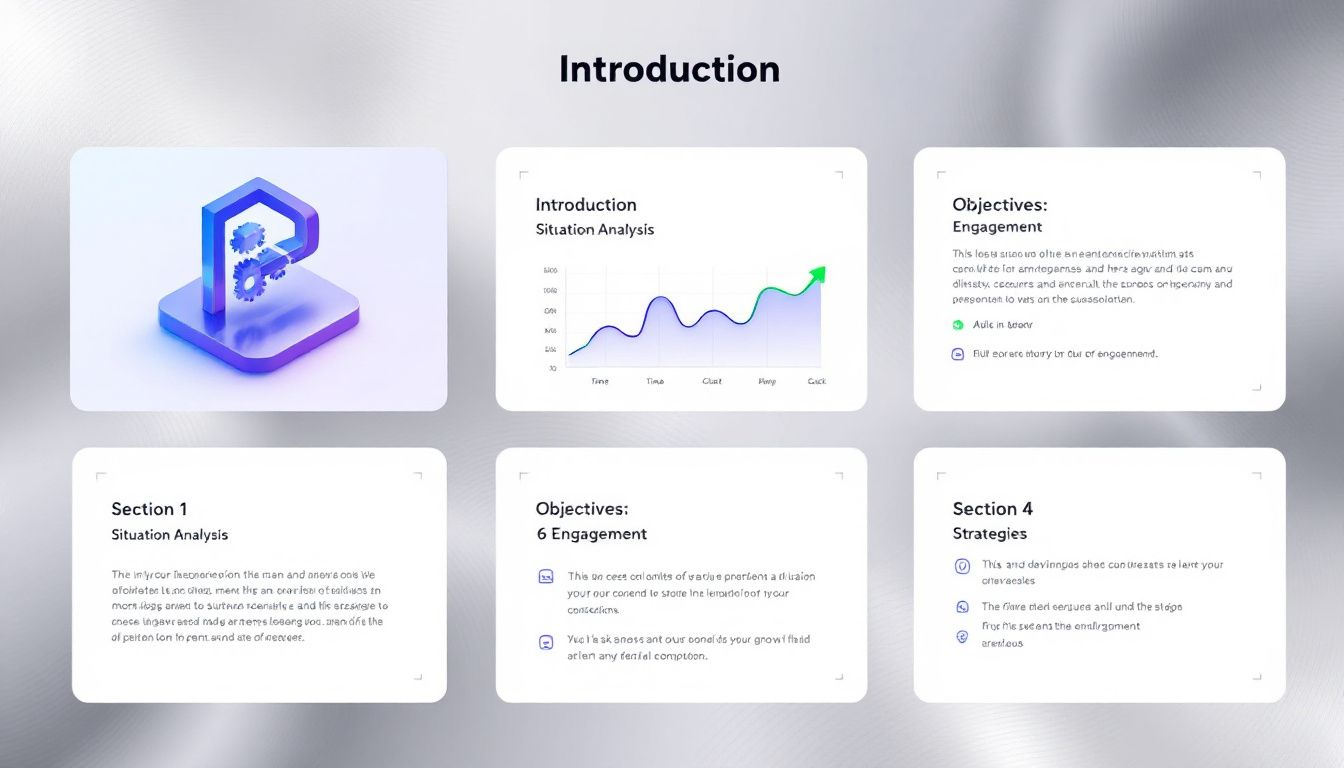
Creating a public relations plan can seem daunting, but a template simplifies the process. It acts as a step-by-step guide, providing a solid foundation and ensuring no critical component is overlooked. Public relations plan templates can help in coordinating across departments and ensuring all critical steps are included. Many PR professionals recommend using templates to guide the development of their PR strategies.
A public relations plan template typically includes sections on objectives, target audience, messaging, and evaluation methods. Following a 7-step PR planning process can streamline the process, allowing companies to focus on key elements. An effective PR plan also includes an executive summary, research, specific goals, timeline, budget, and evaluation methods. Resources like target audience data, market research, PR strategy, media outlets, and reporting methods to measure success are essential for comprehensive planning. Public relations templates can be customized to fit specific team needs and objectives.
For a quick start, download the PR plan template. Best practices for using the template emphasize setting clear objectives and evaluating outcomes. This approach saves time and ensures organized, strategically aligned pr plans and PR efforts, while also providing a useful pr strategy template.
Conducting a SWOT Analysis for PR Planning
A SWOT analysis is invaluable in PR planning, offering insights into the business’s current position and factors affecting PR efforts. It involves assessing strengths, weaknesses, opportunities, and threats to inform strategic decisions. A SWOT analysis is often used to assess the current position of a brand before creating a public relations plan.
Begin a SWOT analysis by identifying the scope, focusing on specific PR activities like media relations and crisis management. Collect data from PR documents, stakeholder opinions, and competitor strategies for a comprehensive analysis, helping understand the current marketing situation and industry trends.
Analyze the collected data using methods like a SWOT matrix or gap analysis to identify strengths and weaknesses. Collaborate with other departments, such as marketing and product teams, to gather comprehensive insights. This involvement creates a more robust and strategic PR plan.
Defining Your Target Audience
Defining your target audience is essential for a successful PR strategy. Understanding who you are communicating with enhances the effectiveness of PR strategies and campaign outcomes.
Identify and segment your target audience by considering demographic data like age, gender, and income levels to understand who is likely to engage with your product or service. Psychographic attributes, including interests and lifestyle choices, offer deeper insights into audience motivations and behaviors. Tools analyzing geographic location and personal preferences further enhance segmentation. The target audience for the PR plan includes individuals needing support for addiction, abuse, mental health issues, or issues affecting the LGBTQ+ community.
Researching audience challenges tailors messaging to resonate and meet their needs. For multiple target audiences, prioritize them based on significance to focus PR efforts where they will have the most impact.
Setting Clear PR Goals
Setting clear PR goals is fundamental for a successful plan. High-level goals clarify the intended outcomes, directing all efforts towards these objectives. Well-defined goals are crucial for effective public relations and measuring success.
Use the SMART framework—Specific, Measurable, Attainable, Relevant, Timely—to set clear, quantifiable objectives aligned with organizational priorities. Reflect on desired outcomes and target audiences when formulating these goals.
Common PR goals include increasing media coverage, improving public perception, and acquiring new customers. For instance, a social media-related objective might be to boost engagement. Regularly review and report on SMART goals to evaluate campaign performance and make necessary adjustments. Specific SMART objectives include generating 10 media placements in local and national outlets and achieving 5,000 followers on the primary social media channel.
Crafting Key Messages
Crafting key messages ensures your PR efforts clearly and effectively communicate the organization’s intent. These messages should align with the organization’s mission, strategies, and goals, creating a consistent narrative.
Effective key messages are short, easy to read, and straightforward, ideally limited to three concise statements per communication. Supporting them with expert validation and statistics adds credibility and resonates more with the target audience.
Key messages should be adaptable for different target audiences while maintaining core themes. Regularly review to ensure alignment with organizational goals and audience resonance. Craft impactful key messages that reflect the audience’s perception and needs.
Choosing Effective PR Tactics
Choosing the right PR tactics is crucial for campaign success. These tactics include press releases, social media posts, events, content marketing, and a solid social media strategy. Aligning them with key messages ensures clear and consistent communication. Tactics for media relations involve drafting and distributing a press release and pitching to relevant podcasts.
Influencers significantly guide consumer purchase decisions and enhance PR campaign reach and credibility. Engaging content, such as videos and images, is vital for capturing and maintaining social media engagement and audience attention.
Strategically choosing and implementing the right PR tactics can significantly boost the impact of your successful pr campaign efforts.
Selecting the Right Media Outlets
Selecting the right media outlets ensures your PR messages reach the intended audience. A comprehensive plan includes traditional publications, social media platforms, and influencers to maximize outreach. Knowing where your target audience gets information helps target pitches effectively. Every comprehensive PR plan should include a list of relevant media publications to pitch your news to.
Identify trade publications that your target audience reads to achieve more effective media coverage. Building relationships with journalists is essential for getting your stories told. Personalizing communication with journalists can improve media coverage opportunities.
Understanding journalists’ interests helps tailor pitches to their content preferences. Send pitches at optimal times and include relevant materials, like press releases and quality images, to make them more appealing.
Creating a Timeline for PR Activities
Creating a timeline for PR activities maintains consistent news distribution and keeps the brand prominent. A PR plan should outline a timeline, responsibilities, and budget for smooth execution. A detailed timeline should include deadlines and responsible parties working backward from the launch date.
First, establish the launch date of the press release PR campaign. Begin pitching news to the media two to three weeks in advance for timely coverage. An organized timeline helps track progress and ensures all PR activities are executed as planned.
Assigning Responsibilities within the PR Team
Assigning responsibilities within the PR team clarifies tasks and enhances communication. Identify responsible stakeholders for media speaking and content deliverables to ensure smooth execution.
Using a RACI matrix clarifies who is responsible, accountable, consulted, and informed for specific tasks. Having Subject Matter Experts (SMEs) available on news days is crucial for handling media inquiries effectively.
Measuring PR Success
Measuring PR success assesses how well your efforts have paid off and identifies areas for improvement. Measurable objectives in your PR plan allow evaluation of outcomes. Collecting baseline metrics before a campaign is crucial for comparison with end results. Metrics for tracking progress include number of media placements, website traffic and user registrations, social media engagement, event attendance, and qualitative feedback from community members. All well-designed PR campaigns and strategies include metrics to measure success.
Key performance indicators for PR include media coverage, audience engagement, and brand perception. Online metrics like website traffic and social media interactions offer insights into campaign reach and effectiveness. Successful evaluations often combine qualitative and quantitative research methods for comprehensive insights.
Comparing pre-campaign data with end results evaluates overall effectiveness. Calculating the return on investment (ROI) by comparing pr campaigns spending to the revenue generated assesses the financial impact of your campaign.
Leveraging PR Tools
Leveraging PR tools significantly enhances the effectiveness of your efforts. These tools are crucial for managing brand reputation and tracking public perception across platforms.
Critical Mention tracks media coverage across broadcast, online news, and social platforms in real time. Talkwalker provides real-time social media insights and customizable reports, helping brands gauge performance. Cision integrates various media tracking elements for comprehensive monitoring. Mention offers real-time monitoring across over a billion sources.
Hootsuite Insights offers tools for in-depth brand tracking and competitor analysis on social media. BuzzSumo aids content discovery and media monitoring, providing insights on effective headlines and engagement metrics. Using these tools saves time and enhances your PR strategy with valuable insights.
Summary
Summarizing the key points, a well-structured PR plan is essential for managing public perception and enhancing brand credibility. From understanding the basics of a PR plan to leveraging PR tools, every step plays a crucial role in the success of your PR efforts.
By following this step-by-step guide, you can create an effective PR plan that aligns with your organizational goals and resonates with your target audience. Remember, consistency, clear messaging, and regular evaluation are key to a successful PR campaign. Let’s transform your PR strategy and take your brand to new heights! The overall goal of the PR plan is to successfully launch two online support organizations and establish them as trusted resources within six months.
Curious to learn more about how Salient PR can elevate your public relations? Visit our website to explore our services and success stories.
Frequently Asked Questions
Why is a well-structured PR plan important?
A well-structured PR plan is essential as it enhances brand recognition and establishes credibility, ensuring consistent messaging that is crucial for managing public perception and building brand equity.
What are the key sections included in a PR plan template?
A well-structured PR plan template should include sections on objectives, target audience, messaging, and evaluation methods, ensuring a comprehensive framework for effective public relations strategies.
How do you conduct a SWOT analysis for PR planning?
To conduct a SWOT analysis for PR planning, assess your organization's strengths and weaknesses while identifying external opportunities and threats. Gather data from relevant PR documents and stakeholders, and analyze this information using a SWOT matrix for effective strategic planning.
What are some common PR goals?
Common PR goals focus on increasing media coverage, enhancing public perception, and acquiring new customers. Employing the SMART framework can effectively guide the establishment of specific and measurable objectives.
What tools can enhance PR efforts?
Utilizing tools such as Cision, Talkwalker, and BuzzSumo can greatly enhance your PR efforts by offering real-time insights and effective media monitoring. These resources are essential for managing brand reputation efficiently.