
Mastering the Art of Making a Press Kit: Top Tips and Examples
Need to make a press kit? This article will guide you through the steps of making a press kit, covering essential elements like company overview, contact information, and visual assets. Learn how to structure your press kit for maximum media impact.
Key Takeaways
A press kit is a crucial tool for media relations, providing journalists with essential information and assets to promote your brand effectively.
Key elements of a strong press kit include a company overview, press releases, visual assets, and contact information, all organized for easy access.
Digital press kits enhance accessibility and visibility by using a structured online format, which is essential for reaching journalists effectively.
Understanding the Purpose of a Press Kit
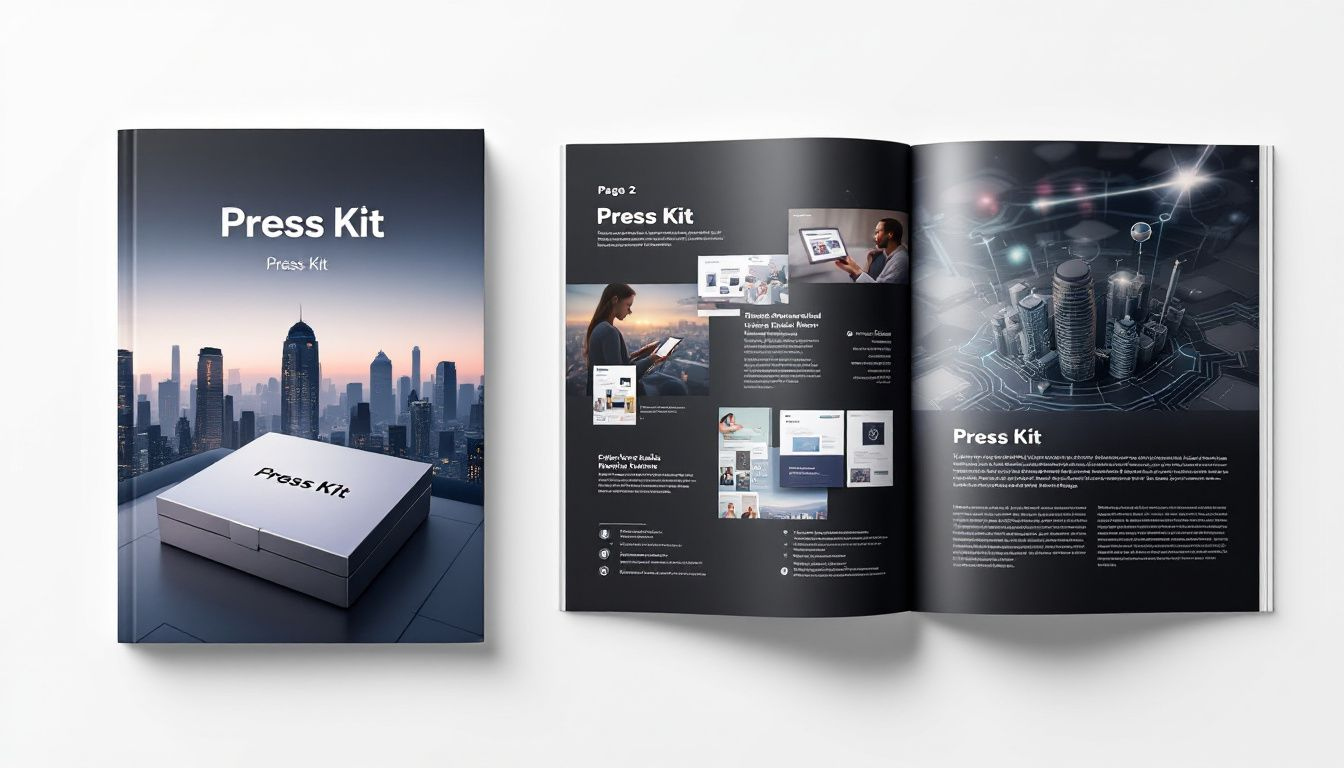
A press kit, often referred to as a media kit, is a collection of materials designed for media distribution to promote a person, company, or event. Its primary purpose is to provide journalists with evergreen business facts and assets that are essential for media inquiries. A well-prepared press kit saves time for both the company and journalists by providing instant access to accurate, up-to-date information. Additionally, a press kit can be used multiple times for various media opportunities, saving time in the long run. A structured press kit example can enhance your brand image and boost your chances of gaining media coverage.
Moreover, press kits are crucial for public relations, especially during product launches, company announcements, and events. A well-crafted press kit not only boosts credibility but also helps in increasing sales and establishing a strong PR strategy.
Whether you opt for a traditional press kit or a digital version, the goal remains the same: to communicate key information about your business to the media effectively.
Key Elements of a Good Press Kit
Before:
Creating a good press kit involves incorporating several key elements that provide all the essential information journalists need. These elements include a company overview, contact information, recent press releases, and visual assets. A well-organized press kit not only enhances media coverage but also presents your brand in a professional manner.
After:
Creating a good press kit involves incorporating several key elements:
A company overview
Contact information
Recent press releases
Visual assets
A fact sheet containing key facts and statistics about the company and product, including launch date, key features, number of employees, and notable customers
A well-organized press kit not only enhances media coverage but also presents your brand in a professional manner.
In addition to these basic components, including case studies and influential testimonials can significantly boost the credibility and appeal of your press kit. Case studies in a press kit showcase the product's value and success through short examples. The press kit may also include testimonials, past press coverage, case studies, awards, certifications, and notable recognitions. Listing relevant industry awards, certifications, or notable recognitions enhances credibility and demonstrates your brand's achievements. A press kit that provides easy access to accurate information serves as a vital tool for managing media relationships.
Company Overview
The company overview is a crucial part of your press kit, offering a snapshot of your business’s story and achievements. It should include a timeline of milestones and breakthrough products, as well as essential details like company history, mission, and key milestones. The company overview in a press kit describes the company's mission, vision, founding date, headquarters location, and key achievements. Your mission statement should articulate your company’s purpose and connect to larger trends or goals. Additionally, a company bio that tells the brand's story and highlights its uniqueness can make your press kit stand out.
Impactful statistics, such as the number of employees and revenue growth, can illustrate your company’s success and add credibility. Core values play a vital role in defining your brand and guiding its operations, making them an essential part of the company overview.
Contact Information
Complete contact information facilitates media inquiries and fosters relationships with journalists. This section should include key contacts’ names, roles, phone numbers, and email addresses. Press kits should include clickable links to all active social media accounts for the company. A brand’s media contact email might be something like PR@dropps.com.
Clearly list direct email addresses and social media handles for media inquiries. Effective organization and presentation of this information make it easier for journalists to contact the right people quickly.
Recent Press Releases
Including links to recent press releases in your press kit is crucial for keeping journalists updated on the latest company news. These links provide essential context about your company’s recent activities and announcements, helping to establish credibility and reinforce your narrative. Including links to past press releases also provides journalists with valuable background information about the company and its achievements, ensuring they have a comprehensive understanding of your business. A press release should detail the new product, its unique features, and why it is newsworthy, ensuring journalists have all the necessary information to craft their stories.
Including recent press releases makes it easier for journalists to find and reference your most current news, leading to more accurate and timely media coverage. Additionally, including links to past press releases in your press kit provides journalists with context about the business, helping them craft well-informed stories that highlight your company's journey and achievements.
Visual Assets for Your Press Kit
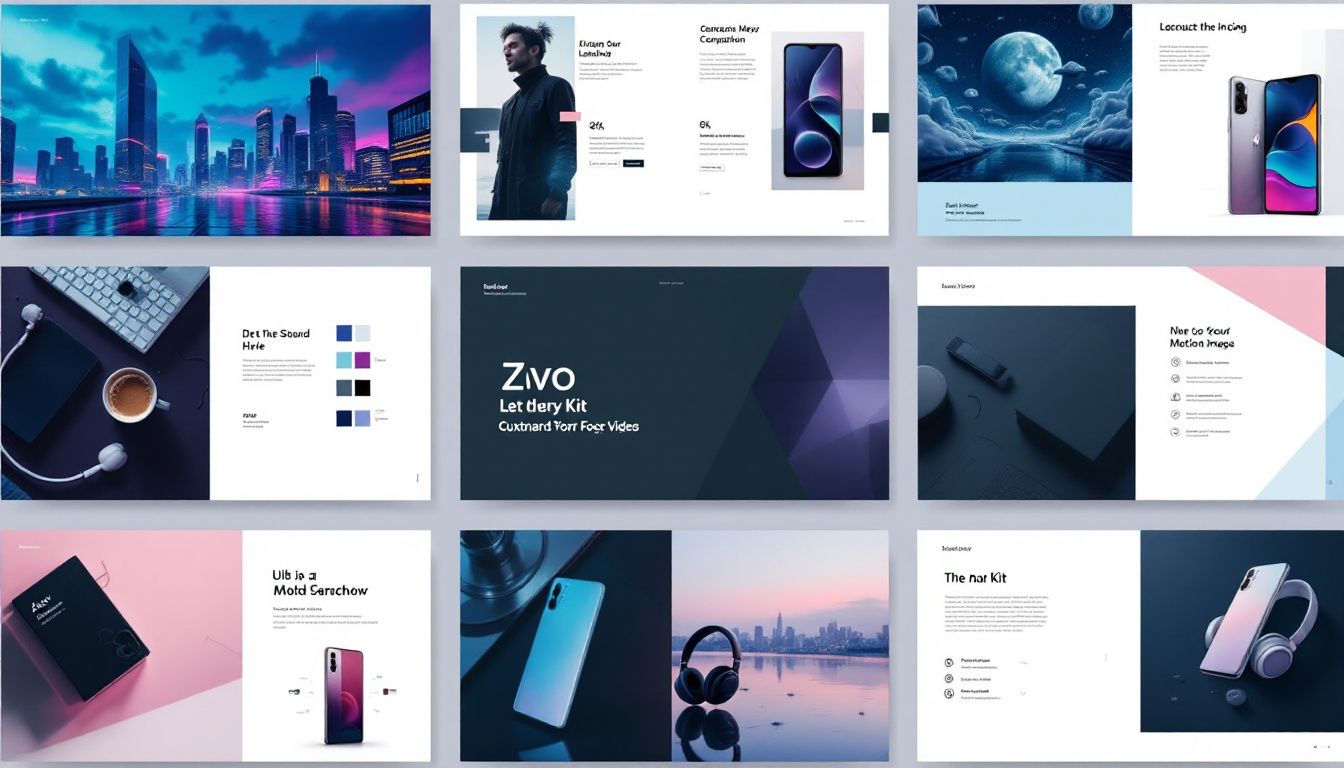
Visual assets are a vital component of any press kit, as they help tell your brand’s story in a more engaging and memorable way. High-quality images, videos, and other media assets can significantly enhance the appeal of your press kit and attract more media attention. High-resolution images are essential components of a press kit, including product photos, team pictures, and behind-the-scenes shots.
A well-crafted press kit should include downloadable logos, product photos, and team headshots, as well as high-quality stock images, illustrations, and icons. Effective design ensures visual appeal, readability, and a logical sequence in the presentation of your press kit. Additionally, a concise, one-page product information fact sheet with essential technical details and specifications can provide journalists with quick and accurate insights into your offerings.
High-Resolution Images
High-resolution images are essential for ensuring quality across various platforms and media types. For example, Tesla’s press kit includes high-resolution images for each product, showcasing their commitment to quality. Similarly, Apple’s newsroom features high-quality images that enhance their media presence and storytelling.
Your press kit should include high-resolution versions of images with transparent backgrounds for logos and team photos. It’s also important to label images clearly and organize them by type to make them easily accessible to journalists.
Video Assets
Incorporating video assets in your press kit can significantly enhance media engagement and storytelling. Video content, such as product demos and company overviews, allows for a dynamic presentation of your brand. Video content may include links to B-roll footage, product demonstrations, or customer testimonials. These videos can captivate viewers, making them more likely to share and remember your brand.
Interviews with key team members can personalize your brand and strengthen media relations. Including a variety of video content types in your press kit can help capture the attention of different media outlets and audiences.
Enhancing Credibility with Media Coverage
Showcasing past media coverage in your press kit adds credibility and demonstrates newsworthiness. Including coverage from reputable sources boosts visibility and establishes your brand as a trustworthy authority in your industry. Types of media coverage to include are blog posts, interviews, magazine articles, videos, podcasts, and local news clips.
Additionally, segments of data, such as growth statistics and positive testimonials, can further establish credibility in your press kit. Highlighting past successes builds trust and encourages future media coverage.
Crafting Compelling Bios
Crafting compelling bios for key team members is an essential part of a well-crafted press kit. A successful bio should include a brief overview of major achievements and awards relevant to the individual. Writing bios in the third-person perspective helps maintain a professional tone. Leadership bios provide brief biographies of key team members and executives, offering insights into their roles and contributions to the company.
Incorporating interesting anecdotes or unique personal experiences can enhance the appeal of a bio. It’s also important to regularly update bios to reflect recent accomplishments and changes. Preparing both short and long versions of bios provides flexibility for different media needs.
Creating a Digital Press Kit
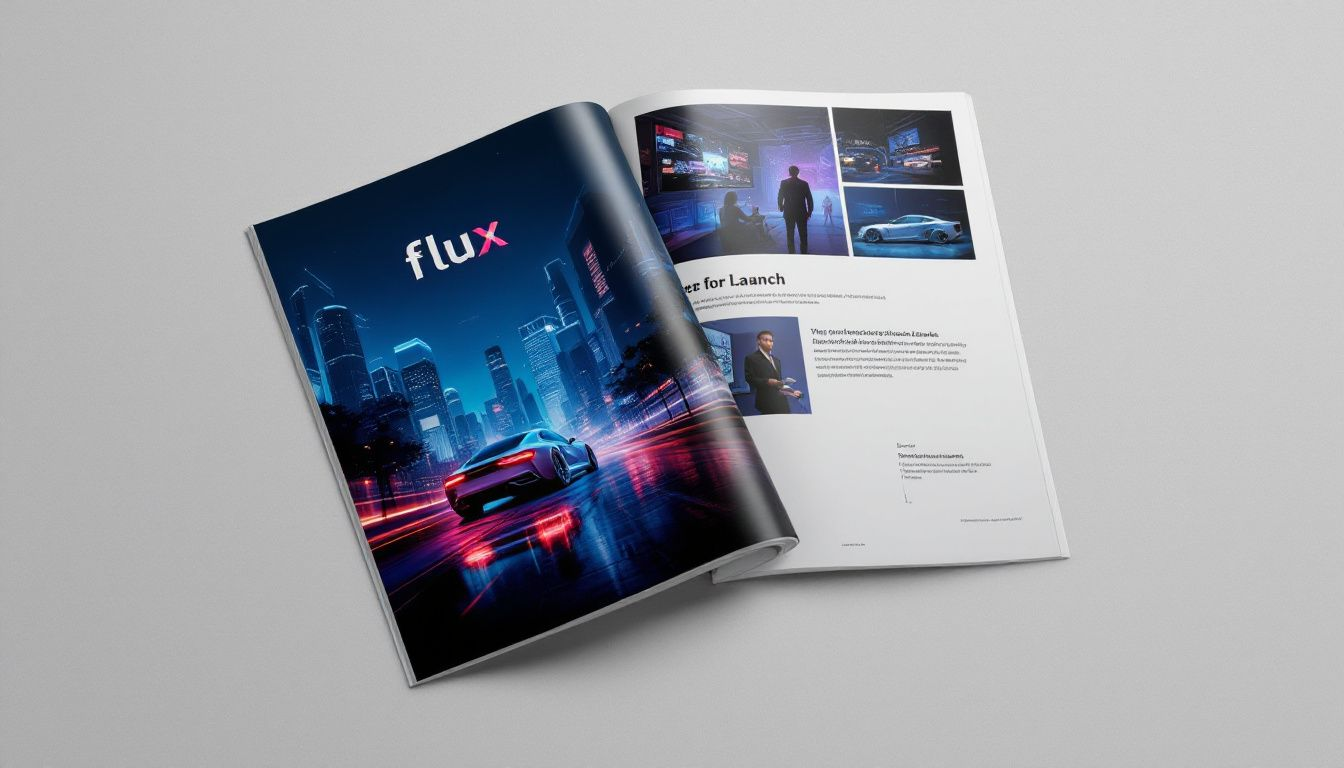
A digital press kit, or electronic press kit (EPK), delivers promotional content digitally, often through a website or email. Creating an online version of your digital media kit makes it easily accessible to journalists and can drive traffic to your website. Using a press kit template simplifies the process of creating a press kit and ensures a professional design. A digital press kit should be structured to facilitate easy understanding by journalists and include clear navigation and engagement metrics tracking.
Publishing your digital press kit on a dedicated ‘Press’ page helps make it easily accessible. Typically, a digital press kit includes the company boilerplate, links to media assets, and contact details.
Choosing a Platform
The right platform for hosting your digital press kit ensures accessibility and visibility. Using a dedicated press page on your website enhances the accessibility of your digital press kit. Online newsrooms can host multimedia content and provide analytics, ensuring your press kit is both functional and engaging.
Tools like Canva provide customizable templates suitable for creating press kits. You can create a blank media kit or use ready-made templates, including a free press kit template and a press kit template for an online media kit, which can be saved in various formats like PDF, JPG, or PNG.
Organizing Content
A well-organized content layout helps populate the press kit with essential elements. Clear labeling for each section is essential for user navigation. Including a FAQ section helps journalists craft their stories by removing barriers.
Before finalizing the press kit, conduct thorough spell checks, grammar checks, and fact checks to ensure professionalism. Engagement metrics can help assess the effectiveness of an online press kit.
Distributing Your Press Kit
Distributing your press kit effectively is crucial for maximizing its impact. Creating a targeted media list by identifying relevant journalists increases the chances of your press kit being picked up. Sharing your press kit through online platforms, including social media and your company website, boosts its visibility.
A press release distribution service can significantly enhance the reach of your press kit to various media outlets. Timing your press kit distribution for early weekday mornings can align with when journalists are more likely to check their emails.
Examples of Effective Press Kits
Showcasing press kit examples of effective press kits from various industries highlights their impact and effective elements. Airbnb uses a website as a brand hub for its press kit, exemplifying a well-organized format. McDonald’s press kit is known for its simplicity and easy accessibility of information.
Wisteria’s press kit features an engaging story, professional photos, and inclusivity of various essential details, making it a masterclass in effectiveness. Starbucks includes high-quality logos, images, and relevant press releases in its press kit, demonstrating a professional approach.
Tech Industry Example
A standout press kit in the tech industry should include a concise summary of unique achievements, high-quality visuals, testimonials, and personalized outreach. BillFixers’ press kit is designed on a single, easy-to-navigate page to optimize accessibility for journalists.
While BillFixers’ press kit controls the narrative effectively, it may not meet the needs of journalists seeking deeper insights. The press kit directs readers to contact the company for more details, helping in managing the flow of information.
Fashion Industry Example
A fashion brand’s press kit must maintain a visually appealing design that aligns with the overall brand aesthetic. Incorporating a cohesive color scheme, elegant typography, and striking layouts contribute to the visual impact of the press kit.
The press kit should contain essential information such as the brand story, product details, and contact information to provide comprehensive content. Utilizing high-quality images and video content can significantly enhance the appeal of the press kit, capturing the attention of potential media outlets.
Summary
Creating an effective press kit involves understanding its purpose, incorporating key elements, and using high-quality visual assets. Enhancing credibility with media coverage, crafting compelling bios, and creating a digital press kit are also crucial steps.
Distributing your press kit effectively and learning from successful examples can help you create a standout press kit. With these tips and insights, you’re well on your way to mastering the art of making a press kit that truly shines.
Curious to learn more about how Salient PR can elevate your public relations? Visit our website to explore our services and success stories.
Frequently Asked Questions
What is a press kit?
A press kit is a collection of promotional materials meant for media distribution to showcase a person, company, or event. It's a handy tool to get the word out effectively!
Why is a press kit important?
A press kit is essential because it boosts your media relations, enhances your brand image, and significantly increases your chances of gaining valuable media coverage. In short, it’s your ticket to greater visibility!
What should be included in a press kit?
A solid press kit should definitely include a company overview, contact information, recent press releases, and high-quality visual assets like images and videos. These elements help journalists and media outlets easily understand and showcase your brand!
How do I create a digital press kit?
To create a digital press kit, use tools like Canva to design it with essential elements like your bio, press releases, and high-quality images, all organized for easy navigation. This makes it simple for the media to access the information they need.
How do I distribute my press kit?
To effectively distribute your press kit, focus on targeted media lists, online platforms, and press release services. Don't forget to follow up with key contacts and choose the right timing for your distribution!