
Understanding What Are Media Contacts: Definitions and Importance for PR
Media contacts include journalists, bloggers, and influencers who help spread your news. Understanding what are media contacts is key for effective PR. This article explores their role, why they matter, and how to build a strong media contact list. PR professionals secure earned media coverage instead of paying for advertising, enhancing perceived credibility.
Key Takeaways
A media contact list is essential for public relations, consisting of journalists, bloggers, and influencers who facilitate press coverage.
Understanding the media landscape, including specific journalists’ interests and publication demographics, is crucial for crafting targeted pitches that enhance media outreach effectiveness.
Utilizing tools like media databases, PR CRM software, and social media platforms streamlines the management of media contacts, improving organization and fostering stronger media relationships.
Media Contacts is a specialist media and communications recruitment agency.
Defining Media Contacts

A media contact list compiles journalists, bloggers, and influencers who can help spread your news stories. These lists are essential tools for public relations, ensuring press releases reach the right audience and gain exposure. Targeting the right contacts enhances the chances of gaining valuable press coverage. Media Contacts has been operating since 1992 and has built an extensive network of contacts.
Media contacts are gatekeepers to the wider media landscape. They include journalists, editors, and media representatives who shape public perception through their platforms. A well-maintained media contact list is vital for any PR strategy, allowing for efficient and targeted communication with those who can amplify your message. Additionally, crisis communication relies on established relationships with media contacts to ensure reliable and transparent company responses. Media Contacts has expanded its recruitment services beyond media sales and editorial to include events, marketing, PR, and healthcare communications.
Why Media Contacts are Crucial for PR
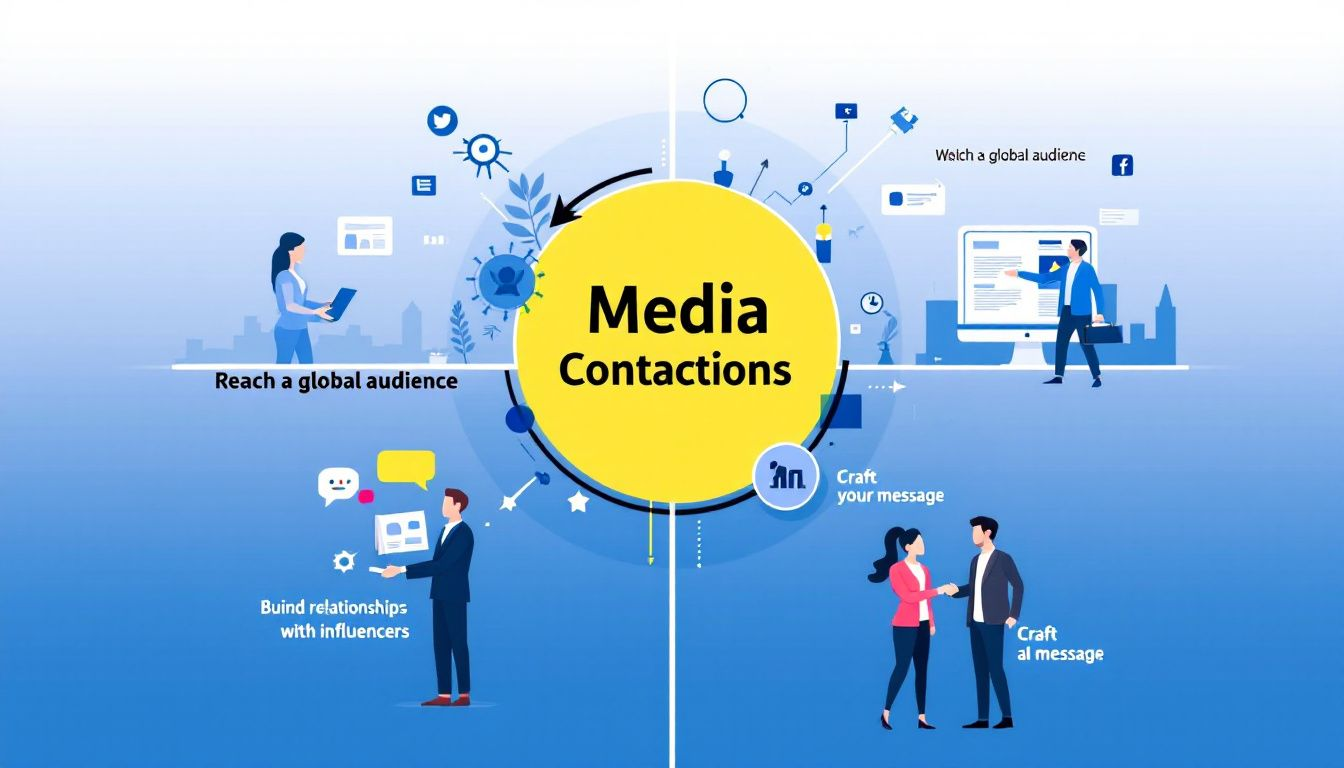
Media contacts are the backbone of any successful PR campaign. A well-curated media list ensures relevant journalists receive your news promptly. This targeted approach maximizes the effectiveness of your media outreach efforts, leading to quality press coverage that can significantly boost your organization’s visibility. Moreover, leveraging media contacts can open up opportunities for future collaborations, further increasing your reach and influence. Media Contacts works internationally with clients across Europe, North America, and Asia.
Understanding the media industry and specific journalists is vital for tailoring your pitches to fit their audience’s needs. Including publication insights like the outlet’s name, type, and target audience demographics enhances the effectiveness of your media contact list. Knowing the type of media outlet helps you craft pitches that resonate with their readership, increasing the likelihood of your story being picked up.
In today’s fast-paced media environment, building and maintaining strong relationships with reporters and journalists is more important than ever. It is not just about sending out press releases; it’s about ensuring that your communication is relevant and timely. Targeting the right media contacts increases your chances of gaining press coverage that engages your target audience.
Elements of a Media Contact List
Creating a comprehensive media contact list involves more than compiling names and email addresses. Key elements include detailed contact information, publication insights, and understanding journalists’ areas of interest. A media list is a compilation of relevant media contacts who might be interested in your press release or pitch, including journalists, editors, and bloggers. Each component plays a crucial role in successful PR efforts.
Organizing your media contact list with these elements streamlines communication and ensures targeted, effective outreach. Each element contributes to a robust media contact list.
Contact Details
The core of any media contact list is the contact details. These should include the contact’s full name, role in the media, outlet name, and social media or website links. Having these details ensures effective and efficient communication.
Directly accessible contact details such as email addresses, phone numbers, and social media handles are crucial for timely outreach. This information helps establish and maintain open lines of communication with relevant contacts, fostering stronger relationships with journalists. However, sending irrelevant content to journalists can damage your relationship with them and tarnish your brand's reputation.
Publication Information
Knowing the publication information of your media contacts’ outlets is essential. This includes the media outlet’s name, type (e.g., newspaper, magazine, blog), and target audience demographics. For instance, XYZ News targets young adults aged 18-34 in urban areas.
Understanding audience demographics helps tailor PR strategies to engage effectively with potential readers. Aligning your pitches with the media outlet’s audience interests increases the likelihood of better media coverage.
Areas of Interest
Identifying the specific topics and beats that a journalist covers is crucial for crafting relevant and personalized pitches. Aligning your stories with the journalist’s interests increases the chances of your pitch being successful.
Researching and understanding individual journalists’ interests ensures your communication is relevant and engaging. This targeted approach helps build stronger relationships and reduces the likelihood of your pitches being ignored.
Building Your Media Contact List
Building a media contact list is foundational for any PR strategy. It involves systematically identifying and compiling relevant media contacts who can amplify your stories. Investing time in this process can lead to high-quality press coverage and save time in the long run.
Creating a media contact list is an ongoing task that requires continuous updates and adjustments to keep the information current and aligned with your target audience, including various new media contacts and media list examples. Building media contact lists is not a quick task and requires time for research.
Let’s explore the steps involved in building an effective media contact list, starting with identifying your target audience.
Identifying Target Audience
Understanding your target audience determines who will be most interested in your story. Researching their demographics, interests, and media consumption behaviors helps tailor your messaging effectively and identify media outlets likely to reach your audience.
Knowing your target audience helps you find relevant journalists who cover topics of interest to that demographic. This targeted approach ensures efficient and effective media outreach, increasing the likelihood of your story being picked up.
Researching Media Outlets
Researching media outlets is crucial for building your media contact list. Scanning the latest news coverage helps identify journalists interested in specific topics. Focusing on media outlets that align with your PR efforts improves your chances of connecting with relevant journalists.
This research involves understanding the type of media outlet, its audience demographics, and the stories it typically publishes. Armed with this information, you can tailor your pitches to fit the outlet’s needs, enhancing media outreach effectiveness.
Finding Relevant Journalists
Finding relevant journalists is crucial for building an effective media contact list. Techniques include using media databases, social media, and direct searches. Media databases allow tailored searches, making it easier to find specific journalists covering relevant topics.
Social media platforms like Twitter can help locate and follow journalists, facilitating rapport before direct outreach. Using these techniques ensures your media contact list includes journalists likely interested in your stories.
Tools and Resources for Managing Media Contacts
Managing media contacts is crucial for effective PR outreach. Utilizing the right tools enhances this process, leading to better organization, improved outreach efforts, and stronger media relationships.
Effective tools for managing media contacts include media databases, PR CRM software, and social media platforms. Each offers unique benefits that streamline PR efforts and help build stronger media connections.
Media Databases
Media databases provide a centralized platform to manage journalist contacts, enhancing the efficiency of contact gathering and management processes for a reliable and organized media database approach.
Media databases facilitate the discovery of new journalists, allowing pr practitioners and PR professionals to build comprehensive contact lists. These platforms enable tailored searches, making it easier to find relevant journalists.
PR CRM Software
PR CRM software helps organize and track media interactions, improving relationship management. These tools offer tailored features for tracking media interactions and improving organization. Storing all media contacts and interaction history in one place enhances team collaboration and ensures accurate contact records.
Many PR CRM tools support automated email pitches while ensuring personalized communication with media. These solutions significantly reduce the time spent managing media relations compared to using multiple separate tools.
Social Media Platforms
Social media platforms efficiently discover journalists relevant to your industry. Twitter can locate and follow journalists, facilitating rapport before direct outreach. LinkedIn allows PR professionals to network and connect directly with journalists.
Social media platforms serve as effective channels for reaching out to and connecting with journalists. Leveraging these platforms helps build and maintain strong media relationships, enhancing overall PR efforts.
Best Practices for Maintaining Media Contacts
Establishing and maintaining strong connections with media representatives increases the likelihood of positive coverage. Building relationships with media professionals fosters trust, leading to better communication during critical times. Proactively engaging with journalists about relevant trends enhances the likelihood of being regarded as a reliable source.
Following up with journalists after a story is published can open avenues for future contributions. Keeping your media contact list up to date is crucial, as shifts in journalist roles or coverage areas require regular updates. Including a journalist’s social media profiles enhances engagement and provides additional contact avenues.
Media Contact List Examples
Using a simple spreadsheet to maintain a media contact list allows for easy updates and tracking of communications with journalists. Platforms like Google Sheets, Notion, or Airtable are recommended for organizing media contact lists, offering flexibility and efficiency. Creating a comprehensive media list allows you to send outreach to a group of contacts all at once, saving time.
For a more comprehensive approach, additional details like the reporter’s Twitter handle and author profile links can be beneficial. These tools help maintain an organized and effective media contact list, significantly enhancing your PR efforts.
Summary
In summary, understanding and managing media contacts is a critical aspect of effective public relations. A well-curated media contact list enhances the efficiency of media outreach, ensuring that your press releases reach the right audience and gain quality press coverage. By investing time in building and maintaining a comprehensive media contact list, you can establish strong relationships with journalists and media representatives, leading to increased visibility and opportunities for future collaborations.
Remember, the key to successful media outreach lies in targeting the right contacts, understanding their interests, and maintaining strong relationships. By following the guidelines and best practices outlined in this guide, you can master the art of media outreach and achieve your PR goals.
Curious to learn more about how Salient PR can elevate your public relations? Visit our website to explore our services and success stories.
Frequently Asked Questions
What is a media contact list?
A media contact list is essential for PR professionals as it includes journalists, bloggers, influencers, and media outlets, allowing them to effectively distribute news stories and press releases to the right audience. This targeted approach enhances communication and maximizes media outreach.
Why are media contacts important for PR?
Media contacts are essential for PR as they allow for targeted outreach, increase the likelihood of quality press coverage, and foster relationships that can enhance visibility and future collaboration. Cultivating these connections is vital for successful public relations efforts.
What should be included in a media contact list?
A media contact list must include comprehensive contact details such as full name, role, email, phone number, and social media profiles, alongside publication information like media outlet name, type, audience demographics, and the journalist's areas of interest. This ensures effective communication with relevant media personnel.
How can I find relevant journalists for my media contact list?
To effectively find relevant journalists for your media contact list, utilize media databases, and explore social media platforms such as Twitter and LinkedIn. These resources will help you identify journalists who specialize in topics pertinent to your public relations initiatives.
What tools can help manage media contacts?
To effectively manage media contacts, utilizing media databases, PR CRM software, and social media platforms is essential. These tools improve organization and streamline your outreach efforts, ensuring better communication with your contacts.