
How to Create the Best Media Kit for Speakers
Looking to land more speaking opportunities? A media kit for speakers is what you need. This guide will explain what a media kit is, why it’s important, and how to create one that stands out. An effective media kit for a professional speaker is a curated collection of materials that highlights their qualifications, expertise, and value to potential event planners, media outlets, and partners. Creating a media kit can save time for both the creator and event organizers by providing all necessary information in one place.
Key Takeaways
A media kit is essential for speakers to present their brand professionally and build credibility with potential event organizers.
Key components of an effective media kit include a polished biography, high-resolution photos, a speaker one-sheet, speaking topics, testimonials, and a speaking reel. An Electronic Press Kit (EPK) is a pre-packaged set of promotional materials that provide information about an individual, company, or organization.
Regular updates and effective distribution strategies, such as hosting on a website and using cloud services, enhance the visibility and reach of a media kit.
Understanding a Media Kit for Speakers
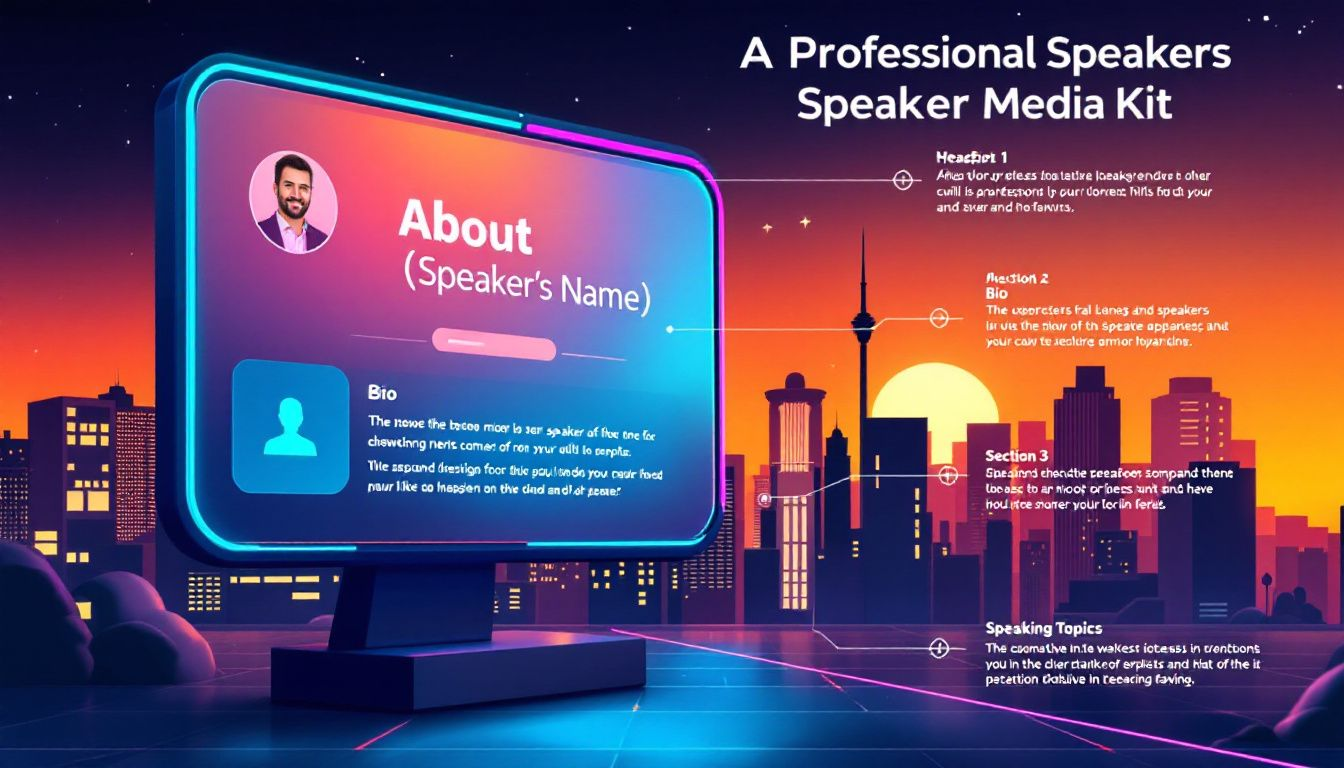
A media kit is a collection of promotional materials designed to highlight a speaker’s brand and facilitate connections with the media. Its primary function is to enhance professionalism and create a positive impression. Without a media kit, potential partners may have to rely on the speaker’s word, leading to less trust in their credentials and achievements. Event organizers prefer having all key information compiled in one place to simplify the event planning process. Remember, a media kit doesn’t guarantee partnerships but serves as a powerful tool to foster connections and make a memorable impression.
A well-crafted electronic press kit (EPK) can differentiate a speaker from competitors and significantly boost their chances of securing speaking engagements. A professional and polished collection of materials allows speakers to present themselves as credible and reliable candidates for any event. For public speakers, an EPK serves as a key marketing tool that can set you apart from the competition.
Key Components of a Speaker Media Kit
A comprehensive speaker media kit includes several essential elements that work together to present a complete and engaging picture of the speaker. These elements include a detailed biography, a speaker one-sheet, high-resolution photos, a list of speaking topics, testimonials, a speaking reel, information about past media appearances, and a speaker press kit. Adding a video or a link to a sample presentation in a speaker media kit can further showcase speaking style and effectiveness.
Together, these components ensure that potential clients and event organizers have all the information they need to make an informed decision about hiring the speaker. Ensure the information in the media kit is easy to scan and digest to improve usability and impact.
Compelling Biography
A well-crafted biography is a cornerstone of any media kit, painting a vivid picture of the speaker’s personal journey, achievements, and expertise. It should provide context and relatability, helping audiences connect with the speaker on a personal level. A professional biography should be concise and compelling, highlighting expertise and credibility.
Seasoned keynote speakers should ensure their biography is polished and highlights significant achievements. The areas of expertise should align with potential event themes to attract the right audience and organizers.
High-Resolution Photos
High-resolution photos are essential components of a media kit, enabling event organizers to promote the speaker effectively. Including high-quality images helps ensure that promotional materials look professional and appealing. Include high-quality visuals like professional headshots and event photos in a speaker media kit to enhance its overall impact.
These photos should be versatile enough to be used in various formats, from printed brochures to digital platforms.
Speaker One-Sheet
A speaker one-sheet is a concise document that summarizes important information about the speaker, such as their biography, speaking topics, and contact details. This quick overview serves as a quick reference for event organizers, making it easy for them to get the essential details at a glance. List signature talks with engaging titles and brief descriptions in a speaker media kit to make it more appealing and informative.
A well-designed speaker one-sheet enhances the overall impact of a media kit.
Showcasing Your Expertise
Showcasing your expertise effectively positions you to potential event organizers. Showcasing speaking topics, past engagements, and areas of expertise aligns your offerings with specific audience needs. Showcase past speaking experience by mentioning key events, conferences, and media appearances, using logos and links where possible to enhance credibility.
For niche speakers, focusing on unique content that resonates with specific demographics and interests can make a significant difference. Testimonials from diverse sources further enhance the persuasive power of your media kit.
List of Speaking Topics
A detailed list of speaking topics with brief descriptions helps organizers determine if a speaker aligns with their event themes. Including visuals and a clear outline of speaking topics makes media kits more engaging for emerging speakers.
For niche market speakers, tailoring the kit to reflect specific topics and audiences is essential. This list should demonstrate the speaker’s expertise and ability to address relevant issues in their field.
Speaking Reel
A speaking reel is a critical component of a media kit, showcasing a speaker’s style, stage presence, and audience engagement. Including various clips from past engagements allows potential event organizers to assess how the speaker presents their topics and interacts with the audience.
Key moments in the speaking reel effectively demonstrate the speaker’s effectiveness and appeal.
Building Credibility
Any speaker looking to secure engagements must build credibility. Testimonials and reviews from event organizers and audience members reinforce a speaker’s credibility and effectiveness. Links or clips of media appearances further enhance the speaker’s brand authority and credibility.
Regular updates to the media kit with new testimonials, achievements, and visuals keep it relevant and engaging. Regularly update all information in the media kit, including stats, contact details, and event history, to ensure it remains accurate and effective.
Testimonials and Reviews
Testimonials and reviews play a crucial role in enhancing a speaker’s credibility. They can originate from prior event organizers. Additionally, insights may come from audience members or industry experts. These endorsements in an EPK provide proof of experience and skills, vital for establishing trust. Include testimonials and social proof, such as quotes from past event organizers or audience members, to further strengthen the media kit.
Media Appearances
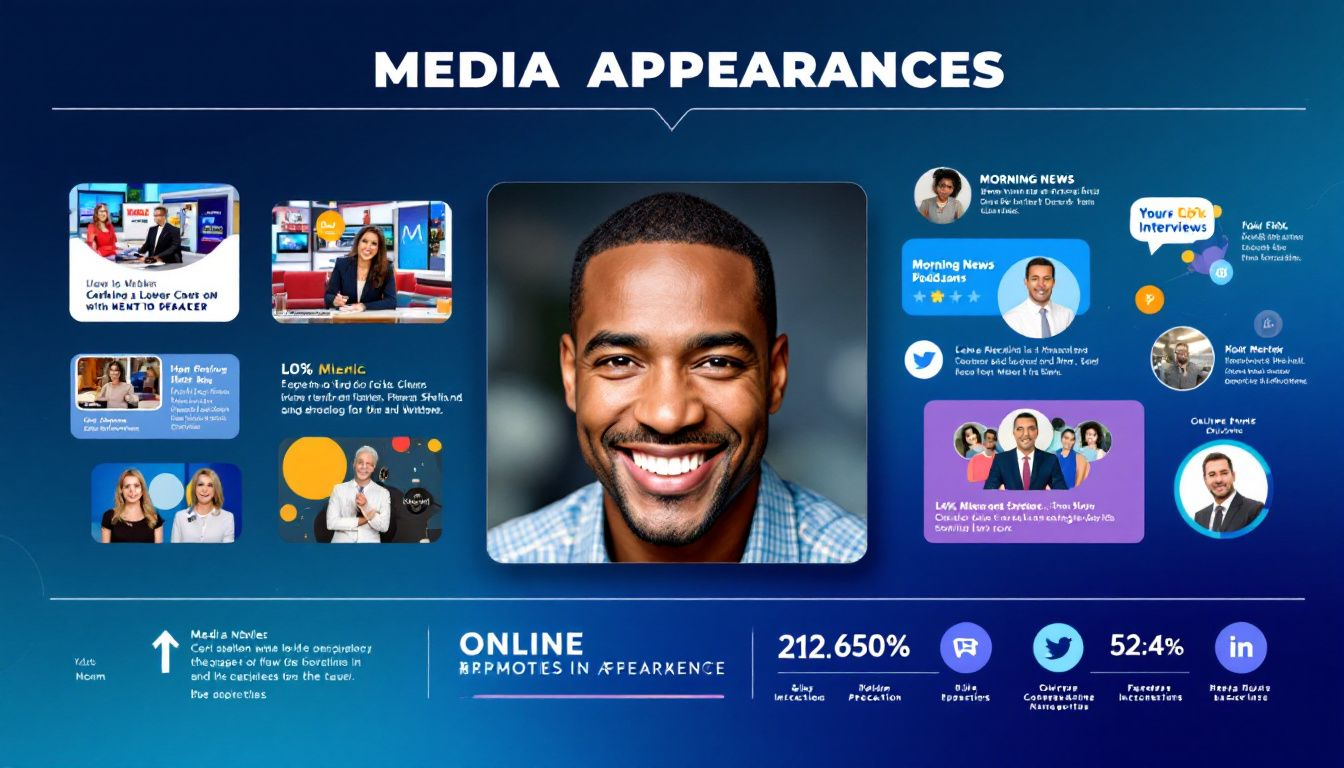
Media appearances in a media kit strengthen the speaker’s authority and highlight their public engagement. These appearances play a crucial role in establishing credibility and trust in the speaker’s expertise.
Showcasing media features effectively can build trust and attract more speaking engagements.
Designing an Effective Media Kit Page
An effective media kit page requires presenting information in a visually appealing and easy-to-navigate manner. A well-structured media page should clearly and attractively highlight essential brand assets and information. Having a dedicated webpage for your media kit helps direct media inquiries to a single resource, ensuring that all key information is readily available. Provide a direct link to a professional speaker page for more detailed information and improved search engine visibility.
Successful speaker media kits combine high-quality visuals with detailed biographies, making them informative and engaging. Clear navigation and appealing visuals engage visitors and encourage further exploration of the media kit. Utilize a clean, professional design with high-quality images and minimal text to ensure the media kit is both visually appealing and effective.
Placing a media kit prominently on your website increases its visibility and makes it easier for potential collaborators to access.
Using Templates
Pre-made templates for media kits allow for quick and easy customization. Customizable templates help speakers match their branding, making the media kit cohesive and professional.
Using a template is the fastest way to create a media kit, streamlining the process and saving time.
Professional Design Services
A professional designer can enhance the quality of your media kit, making it more visually appealing and effective. A professional designer can ensure your media kit stands out with a distinctive look that reflects your brand’s identity.
Professional design elements enhance a speaker’s credibility and appeal.
Keeping It Updated
Regular updates keep your media kit relevant and effective in attracting speaking opportunities. Including professional high-resolution photos enhances personal branding and should be updated as your image evolves.
Regularly collecting and presenting testimonials from past engagements reflects your current reputation and effectiveness. Customizable templates and professional design services make updates easier and more efficient.
Distribution and Accessibility
Effective distribution and accessibility are crucial to maximizing your media kit’s reach. Distributing media kits digitally via websites or email, and physically at events ensures wide accessibility. A direct link to your media kit enhances discoverability for event planners and journalists, making information easier to access.
Ease of access to your media kit attracts event organizers and media professionals. Using both digital and physical distribution methods, and focusing on accessible links, maximizes your media kit’s reach.
Hosting on Your Website
Hosting a media kit on your website allows easy distribution via email, download links, and direct access for potential clients. A public media kit on your website reduces inquiries and facilitates content creation around your business. Alternatively, host the media kit in a well-organized cloud folder for easy sharing and accessibility.
Optimize your media kit for mobile since many users access information from their phones. A search function on your media kit page improves user experience, enabling quick access to specific information.
Sharing via Cloud Services
Cloud services like Dropbox or Google Drive enable seamless sharing of your media kit with interested parties. A shared Google Folder offers extensive options and accessibility with a single click, making distribution convenient.
Examples of Successful Speaker Media Kits
Seeing successful media kits in action can provide valuable insights and inspiration. A well-crafted speaker media kit can significantly enhance a speaker’s visibility and booking potential.
This section will highlight media kit examples of successful media kits from different types of speakers, illustrating best practices and effective components.
Example 1: Experienced Keynote Speaker
A successful media kit for an experienced keynote speaker emphasizes clarity and professionalism, effectively communicating essential information to event organizers. A clean and organized layout enhances the overall impression and makes it easier for event organizers to find necessary details.
Clarity and professionalism in a media kit significantly contribute to securing speaking engagements and building a reputable brand.
Example 2: Emerging Public Speaker
Emerging public speakers must build credibility to secure speaking engagements and establish a reputation. Testimonials from early engagements and a list of past speaking events significantly enhance credibility.
These elements in a media kit help emerging speakers establish a solid foundation and attract new opportunities.
Example 3: Niche Market Specialist
Niche market specialists should tailor their media kits to resonate with specific audience interests and pain points. Highlighting expertise in specific areas of knowledge related to the niche market is crucial. A comprehensive list of speaking topics, a speaking reel, and testimonials from niche market events effectively demonstrate the speaker’s relevance and authority.
Summary
A well-crafted media kit is an invaluable tool for any speaker looking to make a lasting impression and secure speaking engagements. By including key components such as a compelling biography, high-resolution photos, a speaker one-sheet, and showcasing expertise through speaking topics and a reel, speakers can effectively communicate their value and professionalism. Building credibility through testimonials and media appearances further strengthens a speaker’s authority and appeal.
Designing an effective media kit page, using templates for easy customization, and considering professional design services can elevate the presentation quality. Regular updates ensure the media kit remains relevant and engaging. Effective distribution through hosting on a website and sharing via cloud services maximizes reach and accessibility. By following these guidelines, speakers can create media kits that open doors to numerous opportunities and leave a lasting impact.
Curious to learn more about how Salient PR can elevate your public relations? Visit our website to explore our services and success stories.
Frequently Asked Questions
What is the primary purpose of a speaker media kit?
The primary purpose of a speaker media kit is to enhance professionalism and build connections with event organizers and media professionals. It serves as a vital tool for making a positive impression and showcasing the speaker's credentials. An EPK enhances professionalism, showing that a speaker takes their career seriously.
What should be included in a speaker media kit?
A speaker media kit should include a biography, high-resolution photos, a speaker one-sheet, a list of speaking topics, testimonials, a speaking reel, and details about previous media appearances to effectively showcase your expertise and attract opportunities.
How often should I update my media kit?
You should update your media kit regularly to include new photos, testimonials, and achievements, ensuring it accurately reflects your current brand and offerings. This will help maintain its relevance and effectiveness.
Can I use templates to create my media kit?
Absolutely, templates can streamline the creation of your media kit, ensuring a cohesive and professional look with less effort.
How can I distribute my media kit effectively?
To effectively distribute your media kit, host it on your website and share it through cloud services, while also providing physical copies at events to ensure wider accessibility. This multi-channel approach will maximize your reach.