
Need to know how to write the perfect press release? This step-by-step guide will show you exactly how to craft a compelling press release that gets noticed. We cover the basics, headlines, the body, and distribution. Free press release templates based on common announcement types can help structure your story effectively.
Key Takeaways
A well-crafted press release should be structured with clear sections, including a headline, lead paragraph, body, and boilerplate, while maintaining a concise and newsworthy focus.
Creating an engaging headline and lead paragraph is crucial to capture journalists’ interest, with the headline being concise, descriptive, and incorporating relevant keywords for better visibility.
Avoid common mistakes such as overly promotional language and poor formatting by focusing on genuine newsworthiness and maintaining a consistent style across releases. Journalists typically prefer press releases that present the most vital information upfront for quick assessment.
Understanding the Basics of a Press Release
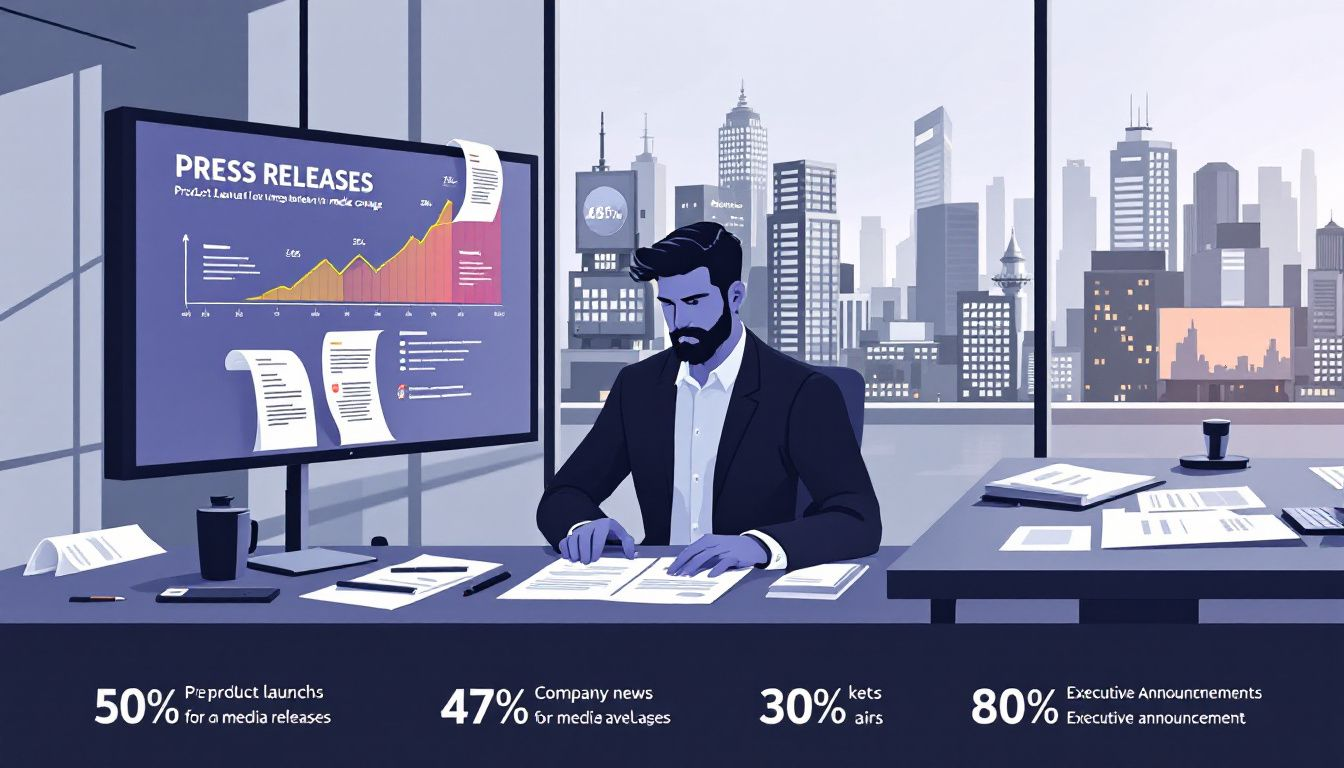
A press release is a powerful tool used to announce newsworthy events in an objective manner. The primary purpose of press releases is to serve as effective tools for public relations, aimed at sparking conversations about important events. Engaging stories with an emotional connection resonate better with audiences and achieve more social traction.
Knowing the basic elements of a press release helps create content that appeals to media outlets and resonates with your target audience. Key elements include a clear purpose, a well-defined structure, newsworthiness, and relevance.
A well-structured press release should ideally be between 300 to 500 words and should capture the attention of relevant journalists. Every great press release uses the inverted pyramid formula to present information, including the most pertinent details at the top.
What is a Press Release?
A first press release is an official statement issued to media outlets to announce something newsworthy, such as an event press release. Its main goal is to gain media attention, enhance brand visibility, and generate publicity, as seen in a press release example. Press release examples can include various topics like product launches, awards, or partnerships to guide structure and content. To effectively communicate your message, it’s essential to know how to write a press release.
When writing a press release, focusing on providing value rather than self-promotion enhances its newsworthiness. By sharing newsworthy information, companies can position themselves as thought leaders in their field. A good press release captures genuinely newsworthy content, making it effective in drawing media coverage.
Standard Press Release Format
Following a standard press release format ensures professionalism and increases the chances of media coverage. A typical press release includes a headline, dateline, lead paragraph, body, boilerplate, contact information, and free press release templates. Incorporate high-quality multimedia elements, such as images or videos, to enhance engagement.
The dateline communicates basic information like the date and location, ideally including the city’s name in capitals, with the state being optional. The body of the press release follows an inverted pyramid structure, prioritizing the most critical information.
Clear formatting choices, such as bullet points and short sentences, can significantly enhance readability and comprehension.
The Role of Newsworthiness
Newsworthiness is the cornerstone of any great press release. To capture media attention, it must present information that is new, interesting, and relevant to its audience. Journalists are constantly inundated with press releases, so having a compelling, newsworthy angle is crucial for standing out.
Companies often struggle to find genuinely interesting stories to feature, but making sure your content is newsworthy is key for effective press releases. Without newsworthiness, even the most well-written and formatted press release will fail to gain traction.
Crafting an Attention-Grabbing Headline
The headline of a press release is arguably its most important element. A compelling headline quickly conveys the essence of the news and draws journalists’ interest, setting the tone for the entire release. Creating an attention-grabbing headline requires a balance of conciseness, engagement, and clarity.
This section will delve into the characteristics of a strong headline, the strategic use of keywords, and tools that can help analyze and improve headline effectiveness.
Characteristics of a Strong Headline
A strong headline is clear, concise, and attention-grabbing, impressing journalists quickly and encouraging further reading. Core tenets of writing a press release headline include keeping it under 70 characters, avoiding all capital letters and exclamation points, and ensuring it highlights the major lesson or news.
The SKIMS press release, for instance, demonstrates the effectiveness of a well-crafted headline by immediately capturing interest. Spend ample time crafting your headline, as it sets the stage for the entire press release.
Using Keywords in Headlines
Adding relevant keywords to your headline not only boosts search engine optimization but also attracts the right audience. Keywords should be chosen based on what your target audience is likely to search for and integrated naturally into the headline.
Strategic use of keywords can significantly enhance the visibility and relevance of your press release, making it more likely to be picked up by news outlets and read by your intended audience.
Tools for Analyzing Headlines
To make your headline as compelling as possible, consider using tools that analyze headlines for word choice, length, and emotional impact. These tools provide valuable insights into enhancing your headline’s appeal, ensuring it captures the attention of both media and readers.
Tools like CoSchedule’s Headline Analyzer can evaluate various aspects of your headline and offer suggestions for improvement. Using these tools can lead to better press release performance and higher engagement rates.
Writing an Engaging Lead Paragraph
The lead paragraph is your chance to hook readers and summarize the most critical parts of your press release. It should address who, what, when, where, and why, capturing the essence of the news concisely. A compelling hook grabs attention and resonates with your audience.
This section will explore how to answer the five Ws, the importance of brevity, and provide examples of effective lead paragraphs.
Answering the Five Ws
The lead paragraph should address the five Ws: who, what, when, where, and why, ensuring readers quickly understand the key points of the press release. Including the company’s city, state, and date can add context and relevance.
For specific announcements, such as a new hire, include the individual’s qualifications and past achievements to add depth, making the press release more informative and engaging.
Keeping It Concise
Brevity is crucial in press release writing. Journalists and readers have limited time, so communicating the main points early and clearly is essential. Keeping the lead paragraph concise and focused helps maintain reader interest and ensures that the most important information is conveyed quickly.
This not only respects the reader’s time but also enhances the overall effectiveness of the press release.
Examples of Effective Leads
Effective lead paragraphs engage readers from the start by providing crucial information. Apple’s press releases, for instance, are known for their well-structured leads that make it easy for journalists to extract essential facts, details, and quotes.
Another example is the press release announcing Heidi B. Capozz’s new leadership role, outlining her accomplishments and the significance of her new position. These examples show how a well-crafted lead can capture attention and convey the news effectively.
Developing the Body of Your Press Release

The body of your press release should maintain reader interest by focusing on the most important information from the start. This section discusses structuring the body using the inverted pyramid format, including supporting details, and using quotes effectively.
The goal is to provide a comprehensive and engaging narrative supporting the main announcement.
Inverted Pyramid Structure
The inverted pyramid structure is a journalistic format that prioritizes the most critical information at the beginning, enhancing readability by allowing readers to quickly grasp the essential facts.
When writing a product press release, lead with what sets the product or service apart from others, ensuring the most newsworthy information is presented first.
Including Supporting Details
Including relevant details, statistics, and background information can significantly strengthen a press release. For example, Cisco linked to its Corporate Social Responsibility Report to showcase supportive information, adding credibility to their announcement. Presenting information in bullet points or lists improves comprehension and makes the press release more reader-friendly.
Testimonials, industry research, and technical information should be presented clearly and without jargon to ensure understanding and reinforce the main announcement.
Use of Quotes
Quotes in a press release add credibility and depth. Quotes from key figures lend authenticity and offer unique perspectives, enriching the storytelling aspect. Well-placed quotes can significantly elevate audience engagement and interest.
A quote from a company executive about the significance of a new product launch, for instance, can provide a personal touch and highlight the company’s vision.
Concluding with a Strong Boilerplate
The boilerplate section of a press release succinctly summarizes the organization’s identity and can be crucial for media understanding. This section explores the components of a good boilerplate and the importance of consistency across all press releases.
A well-crafted boilerplate enhances brand recognition and leaves a lasting impression.
Components of a Good Boilerplate
An effective boilerplate should include the company’s mission statement, key accomplishments, and a link to the official website. It summarizes essential business information, including industry positioning and notable awards.
A clear and concise boilerplate structure enhances communication and reinforces brand identity. This section highlights what to include in a boilerplate to create a comprehensive and compelling summary.
Consistency Across Releases
Maintaining consistency in the boilerplate across all press releases reinforces the brand’s message and identity. Essential elements such as company history, mission statement, and key achievements should be consistently included. This consistency effectively communicates the core values of the organization and ensures that the brand is recognized by the audience.
By adhering to a standard format, organizations can maintain a strong brand presence.
Adding Media Contact Information
Providing clear media contact information is crucial for effective communication and accessibility for journalists. This section explains what contact details to include and provides formatting tips to ensure the information stands out and is easy to locate. Contact information at the bottom of the press release is crucial for media inquiries.
Making sure journalists can easily reach out with questions or requests for more information is critical for the success of a press release.
What to Include
Essential contact information in a press release should include a phone number and email address, allowing journalists to follow up with any media inquiries and generate interest among media contacts. Providing clear and accessible contact details enhances the likelihood of media coverage and ensures journalists can easily reach the appropriate person for further information.
Formatting Tips
Formatting media contact information to stand out is crucial for making it easily locatable and readable. Include essential contact details such as email, phone number, and relevant social media handles. Using bullet points and clear formatting makes the contact section more user-friendly.
This step-by-step guide ensures that your contact information is presented in a way that facilitates communication and media attention.
Distribution Strategies for Maximum Impact
Effective distribution of a press release maximizes its impact and reaches the target audience. This section explores strategies for targeting relevant journalists, using press release distribution services, and personal outreach. Using a media database helps in finding relevant journalists based on the press release's content. Monitoring open rates and engagement can help improve future press release distributions.
These methods can significantly enhance media attention, brand visibility, and overall effectiveness.
Targeting Relevant Journalists
Choosing your target audience is the first step in writing a press release to ensure it reaches the right journalists. Pitching relevant media contacts increases the chances of interest and coverage.
Tools like Hunter can help discover email formulas for media outlets, and platforms such as X (formerly Twitter) or LinkedIn can be used to connect with journalists. Building connections with journalists can significantly improve your press release’s chances of being covered.
Using Press Release Distribution Services
Press release distribution services are valuable tools that help disseminate news to various media outlets and media outlet. These services increase the chances of coverage and enhance visibility through email targeting and other methods, making it essential to write press releases that create good press releases.
Using distribution services ensures your press release reaches a wider audience and is more likely to land press coverage.
Personal Outreach
Personalized outreach to media contacts allows for a more tailored approach, enhancing engagement and response rates. Customizing pitches to target specific journalists and using a strong subject line are critical for ensuring journalists open the email and read the pitch.
Emphasizing personal outreach can lead to more meaningful connections with media and better chances of coverage.
Common Mistakes to Avoid
Avoiding common mistakes in press release writing is essential for ensuring effectiveness and media coverage. This section will highlight common pitfalls such as overly promotional language, lack of newsworthiness, and poor formatting. Thorough proofreading is essential to eliminate errors in spelling, grammar, and factual accuracy before distribution. Double-check all facts, figures, and dates to ensure the release is credible.
By understanding and avoiding these mistakes, you can enhance the overall quality and impact of your press releases.
Overly Promotional Language
Using overly promotional language can damage your credibility and lead to a loss of trust among journalists. Maintaining an objective tone and focusing on fact-based content is crucial for clearer communication and better relationships with media professionals.
To avoid overly promotional language, ensure your press release provides genuine newsworthy information.
Lack of Newsworthiness
A press release must have genuine newsworthiness to capture media attention. Criteria such as timeliness, significance, proximity, human interest, and novelty are essential for ensuring the press release is relevant and interesting.
Avoiding common pitfalls like failing to focus on relevant details or lacking clear news value is crucial for enhancing the newsworthiness of your press release.
Poor Formatting
Clear and organized formatting is essential for improving the readability of a press release. Adhering to standard formatting guidelines helps journalists quickly locate important information and facilitates the use of the press release.
Consistent formatting across press releases helps establish a recognizable brand identity and enhances overall professionalism.
Summary
Writing the perfect press release involves understanding the basics, crafting compelling headlines, writing engaging lead paragraphs, developing a well-structured body, and concluding with a strong boilerplate. Adding clear media contact information and employing effective distribution strategies are also crucial. By avoiding common mistakes and focusing on newsworthiness and proper formatting, you can create press releases that stand out and generate the publicity your brand deserves. Now, it’s time to put these tips into practice and start crafting your next press release with confidence.
Curious to learn more about how Salient PR can elevate your public relations? Visit our website to explore our services and success stories.
Frequently Asked Questions
What is the primary purpose of a press release?
A press release is all about grabbing media attention and boosting your brand's visibility by sharing newsworthy events in a straightforward way. It's your ticket to getting the word out effectively!
What are the essential components of a standard press release format?
A standard press release should always have a headline, dateline, a strong lead paragraph, the main body of content, a boilerplate section, and contact information. Make sure to cover all these bases for a clear and effective release! Most press releases follow a consistent format that makes it easy for reporters and editors to find the information they need.
Why is newsworthiness important in a press release?
Newsworthiness is vital because it helps your press release stand out by showcasing information that’s fresh and relevant, grabbing the attention of the media and your audience. If it’s not newsworthy, it may go unnoticed!
How can I make my press release headline more effective?
Make your press release headline clear, concise, and catchy by using relevant keywords to grab attention and improve SEO. This way, you’ll attract your audience right from the start!
What should be included in the boilerplate section of a press release?
Make sure to include your company's mission statement, key accomplishments, a brief description, and a link to your official website in the boilerplate section. This provides essential context and helps connect readers to your brand.