
Mastering Press Release Parts: Key Elements You Need to Know
A press release has key parts: headline, dateline, introduction, body, boilerplate, and contact info. Understanding these Press Release Parts is crucial for creating an impactful announcement. Press releases are official announcements that companies use to inform the news media and the public about a particular news or development. They are one of the most impactful tools in a PR toolbox.
Key Takeaways
A professional press release consists of key components: headline, dateline, introduction, body, boilerplate, and contact information, each serving a specific purpose.
Utilizing effective visuals, such as logos, infographics, and videos, significantly enhances engagement and clarity in press releases.
Common pitfalls to avoid include overly promotional language, lack of newsworthiness, and poor formatting, which can undermine the release’s credibility and impact.
Press releases can take many forms depending on the news being announced, such as product launches, company news, event announcements, data-driven reports, launching a new product, opening new headquarters, receiving an award, or hiring a new executive.
Most journalists agree that press releases are a top priority when looking for trusted sources.
Understanding the Core Elements of a Press Release
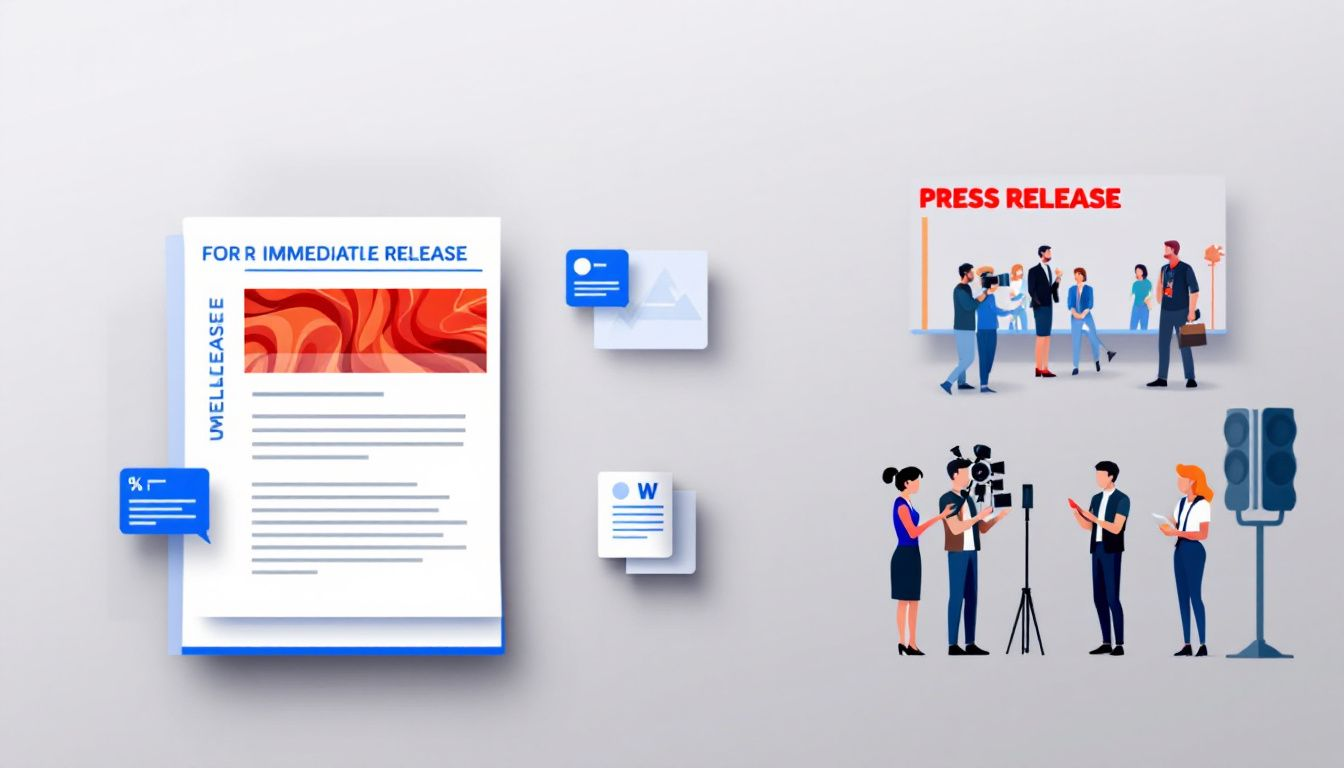
Before:
A professional press release is a symphony of essential components, each playing its part to capture the reader’s attention and convey the news effectively. These components include a headline, dateline, introduction, body, boilerplate, and contact information. Most press releases adhere to a similar format, which helps journalists quickly find the information they need. Understanding this structure helps in writing a standard press release that attracts media coverage and public interest.
After:
A professional press release consists of several essential components, including:
Headline
Dateline
Introduction
Body
Boilerplate
Contact information
Understanding this structure helps in writing a great press release that attracts media coverage and public interest. The structure of a press release follows the inverted pyramid format, placing the most critical information at the top.
Each element serves a specific purpose. The headline grabs attention, the dateline provides context, and the introduction summarizes the news. The body delves into details, the boilerplate offers background information, and the contact information ensures journalists can reach out for more information.
Each of these seven key elements will be broken down in detail.
The Headline
The headline is arguably the most important part of a press release. It serves to inform readers about the release and entice them to read further. An effective headline should be eye-catching and clearly communicate the essence of the news. It’s like the first impression – if it doesn’t grab attention, the rest of the press release might not get read.
A compelling headline should be clear, catchy, and focused on the main benefit or takeaway of the news. Keep it short and straightforward for maximum impact. Avoid using all capital letters and excessive punctuation, as these can detract from professionalism.
Aim to create an attention-grabbing headline that entices readers to learn more.
Dateline and Location
The dateline in a press release indicates the timing and origin of the news, adding credibility to the announcement. It typically includes the company’s city and state, followed by the date of the announcement. The dateline should be formatted in bold and separated by a dash from the first sentence.
This informs journalists that they are receiving current information and sets the stage for the news that follows.
Introduction or Lead Paragraph
The introduction, or lead paragraph, is the heart of the first press release. It serves to summarize the press release content and capture the reader’s attention. This paragraph should convey the most newsworthy information right at the start, ensuring journalists and readers understand the significance of the announcement.
Newness, interest, and audience relevance determine the newsworthiness of the story. An engaging lead positions the company as a thought leader and enhances the overall impact of the press release.
Detailed Breakdown of the Press Release Body
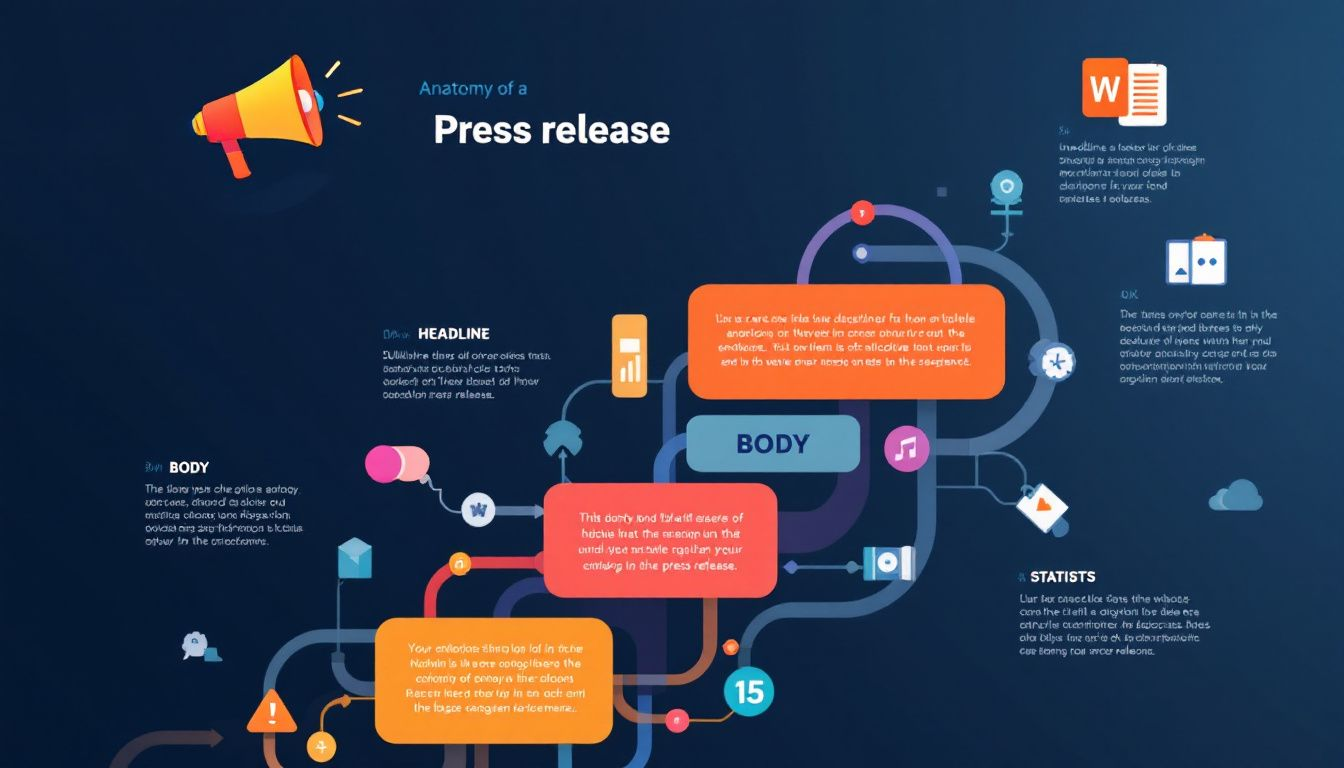
The body of a press release is where you delve into the details of your announcement. Proper layout and structure, such as using bullet points and concise paragraphs, enhance readability. Keeping the body to one page ensures the information remains concise and impactful. Including statistics, quotes, and high-value content can make the body more engaging. The body should contain detailed information supporting the announcement, including key facts, statistics, and quotes from company executives. Press releases should be concise, ideally around 600 to 800 words for news, events, and product launches. A compelling headline increases the odds that journalists will open your email and read your press release.
A well-structured body keeps the reader’s interest and provides a clear overview of the announcement. Each paragraph should flow logically, building on the lead paragraph’s information.
Next, we will explore expanding on key points, incorporating quotes, and including supporting information.
Expanding on Key Points
Addressing the 5 W’s: Who, What, When, Where, and Why, helps in expanding on key points. These are the essential components that should be covered comprehensively in the body of the press release. Reporters should understand the most newsworthy information at the beginning, clearly addressing the 5 W’s.
The body’s opening sentence should paraphrase the headline, summarizing the key points related to the 5 W’s. This approach provides an overview and important details about the announcement, ensuring clarity and relevance.
In an event press release, it is crucial to clearly explain Who, What, When, and Where for effective communication.
Incorporating Quotes
Quotes in a press release add credibility and detail to the announcement. Authentic quotes, such as those from industry experts, can enhance the relatability of the press release. For example, a quote from Kim Kardashian in a SKIMS release added personal insight and authenticity.
Quotes should sound real and avoid clichéd expressions to maintain originality.
Including Supporting Information
Supporting information, such as statistics and proprietary data, can make the press release more compelling. Including impressive statistics, such as awards or milestones, enhances the credibility of the announcement.
This supporting information helps to substantiate claims and engage the audience.
Crafting an Effective Boilerplate
The boilerplate is a standardized “About Us” section that provides a brief overview of the company. It typically includes the company’s history, mission statement, and unique selling proposition. A press release is an official statement or proclamation announcing news that provides relevant information to the media. This section should be concise and informative, capturing the essence of the company in a few sentences. The end mark of a press release is indicated by three pound signs ( ### ) or '-30-' to signal the release is complete.
Media contact details should also be included in a boilerplate. This provides journalists with the necessary information to reach out for additional details or interviews.
A well-crafted boilerplate adds credibility to the press release and provides a clear understanding of the company’s background and vision.
Essential Company Details
Key components of a boilerplate should include the company’s history, mission statement, and unique selling proposition. This standard paragraph provides essential background information about the company, helping to convey a clear and concise message about what the company stands for. A call to action (CTA) is an essential component of a press release that encourages the audience to take a specific action.
Brevity and clarity ensure the boilerplate effectively captures the reader’s attention.
Contact Information
Accurate contact information is crucial for a press release. This should prominently feature the name, contact number, and email address of a designated media contact. Media contact information in a press release includes the name, email, and phone number of the person media should contact with questions.
Multiple channels of communication, such as social media handles, alongside traditional contact information, ensure journalists can easily reach out for inquiries.
Enhancing Your Press Release with Visuals

Incorporating visual elements into press releases significantly boosts engagement and comprehension. Visuals are known to be shared more frequently on social media, increasing the reach of your announcement. Including images, logos, infographics, and videos can make the press release more appealing and easier to understand.
Visuals significantly increase the engagement and understanding of a press release. They can simplify complex information and make the content more digestible for the audience.
Next, we will explore how to enhance your press release with logos, images, infographics, and videos.
Adding Logos and Images
A logo in a press release enhances brand identity and recognition. Logos should be small and full-color to complement the content without overpowering it.
Common placements for a logo are either in the top-middle or bottom-middle of the press release, ensuring it is visible but not distracting.
Using Infographics and Videos
Infographics and videos simplify complex information, making it more digestible for the audience. Infographics should prioritize simplicity and clarity to ensure the key message is easily understood. Videos add an additional layer of engagement, offering sound bites and visual narratives that enrich a press release.
A survey revealed that 49% of journalists prefer press releases that include infographics.
Common Mistakes to Avoid in Press Releases
Avoiding common mistakes is essential for crafting an effective press release. Overly promotional language, lack of newsworthiness, and poor formatting are some of the pitfalls to watch out for. Bullet points or lists can help simplify the presentation of details in an event press release. A well-organized free press release template helps journalists quickly understand the information presented.
Images and videos can increase the trustworthiness and visibility of a press release, making the content more appealing to the media. Next, we will delve deeper into some common mistakes and how to avoid them.
Overly Promotional Language
Overly promotional language harms the overall effectiveness of a press release. Excessive promotional language detracts from the credibility and objectivity of a press release. Credibility and objectivity make a press release appealing to journalists.
Avoid sales-heavy language in quotes to maintain authenticity.
Lack of Newsworthiness
A good press release must present significant and relevant news to attract media attention and press coverage. A release that fails to highlight significant news risks being ignored by journalists. Most press releases should have a newsworthy angle to capture journalists’ interest. A good way to gauge the newsworthiness of your story is to pay attention to the coverage that other businesses receive.
Remember, journalists have limited time and may not read the entire immediate release.
Poor Formatting
Clear formatting, including bullet points and short sentences, is essential for a well-structured press release. Clear formatting, bullet points, and short sentences enhance readability.
Adjust elements like header font styles, content length, and format to achieve optimal clarity.
Tips for Distributing Your Press Release
Choosing appropriate distribution channels is crucial for reaching intended audiences effectively. Press releases with videos achieve higher engagement levels, as videos evoke emotions and tell compelling stories. Seek positive coverage that aligns with the brand’s message to maximize visibility. Hiring a public relations professional can help secure media coverage more easily.
Target the right journalists to ensure that press releases reach interested media contacts. Let’s look at some tips for distributing your press release effectively.
Targeting Relevant Journalists
Understanding journalists’ coverage areas enhances the chances of press releases being well-received. Industry-specific publications effectively distribute press releases to targeted audiences. Personalized communication with journalists increases engagement more than mass emails.
Emailing journalists directly or connecting on X or LinkedIn is recommended. Share embargoed news only with trusted outlets to ensure confidentiality.
Utilizing Distribution Services
Distribution services are powerful tools for reaching a broader audience. These services send releases to journalists based on their interests and publish them on their site. Costs can vary widely, ranging from $69 to a few thousand dollars, depending on the scope and reach of the distribution.
When emailing a press release, keep the subject line simple or attention-grabbing to increase the likelihood of it being opened.
Timing Your Release
The timing of a press release can significantly impact its success. For time-sensitive news, sending it a few days in advance can help secure media coverage. Offering embargoed news builds trust and encourages journalists to prepare stories in advance.
Whether it’s a product launch or an event announcement, timing your release to reach journalists at the right moment maximizes its impact.
Summary
Mastering the elements of a press release is essential for ensuring your news gets the attention it deserves. From crafting compelling headlines and engaging lead paragraphs to including authentic quotes and supportinginformation, each component plays a vital role in capturing the interest of journalists and readers alike. Visual elements like logos, images, infographics, and videos can significantly enhance the engagement and comprehension of your release.
Avoiding common mistakes, such as overly promotional language, lack of newsworthiness, and poor formatting, is crucial for maintaining the professionalism of your press release. Effective distribution strategies, including targeting relevant journalists and utilizing distribution services, can help you reach your intended audience. By following these guidelines, you’ll be well-equipped to craft press releases that stand out and drive media coverage.
Curious to learn more about how Salient PR can elevate your public relations? Visit our website to explore our services and success stories.
Frequently Asked Questions
Why is the headline so important in a press release?
The headline is crucial in a press release because it grabs attention and entices readers to explore further, effectively communicating the essence of the news. A strong headline significantly enhances the chances of engagement and visibility.
What should be included in the dateline of a press release?
The dateline should include the company's city and state, followed by the date of the announcement, ensuring it captures the attention of journalists with timely and relevant information.
How can I make the body of my press release more engaging?
To create a more engaging body for your press release, incorporate statistics, quotes, and high-value content while ensuring a clear layout with bullet points and concise paragraphs. This approach not only captivates your audience but also improves readability.
What is a boilerplate, and why is it important?
A boilerplate is a standardized "About Us" section that offers an overview of a company, including its history and mission, which enhances credibility and informs the audience. Its importance lies in establishing a consistent identity and providing essential background information.
How can I effectively distribute my press release?
To effectively distribute your press release, choose suitable channels, target relevant journalists, and consider using distribution services. Personalizing your communication and timing your release strategically will enhance its reception.