
How Long Should Press Release Be? Tips for the Ideal Length
Wondering how long should press release be? Ideally, a press release should be between 300 to 400 words. However, the ideal length for a press release can range from 300 to 500 words, depending on the complexity of the announcement. A target length of around 400 words is often considered optimal across most industries. This range keeps your message concise and engaging, ensuring you capture your readers’ attention without overwhelming them. In this article, you’ll learn about the factors influencing press release length, how to structure it effectively, and common mistakes to avoid regarding how long should press release be.
Key Takeaways
The ideal press release length is between 300 to 400 words to maintain reader engagement while conveying essential information.
Customizing the content for different media outlets and targeting audiences is key to maximizing coverage and effectiveness.
Incorporating multimedia elements, like images and videos, can significantly enhance the impact and shareability of press releases.
Ideal Press Release Length
In press release writing, length is crucial. The ideal length is usually 300 to 400 words, which is effective for conveying information succinctly. This sweet spot ensures your message is clear and engaging without overwhelming the reader, maintaining their attention and enhancing clarity.
Longer press releases can reduce engagement as audiences might lose interest. A good press release should be brief yet informative, balancing detail and brevity to capture media attention effectively. Press releases longer than necessary can detract from this goal, as anything over 500 words is generally considered too long for a press release.
Factors Determining Press Release Length
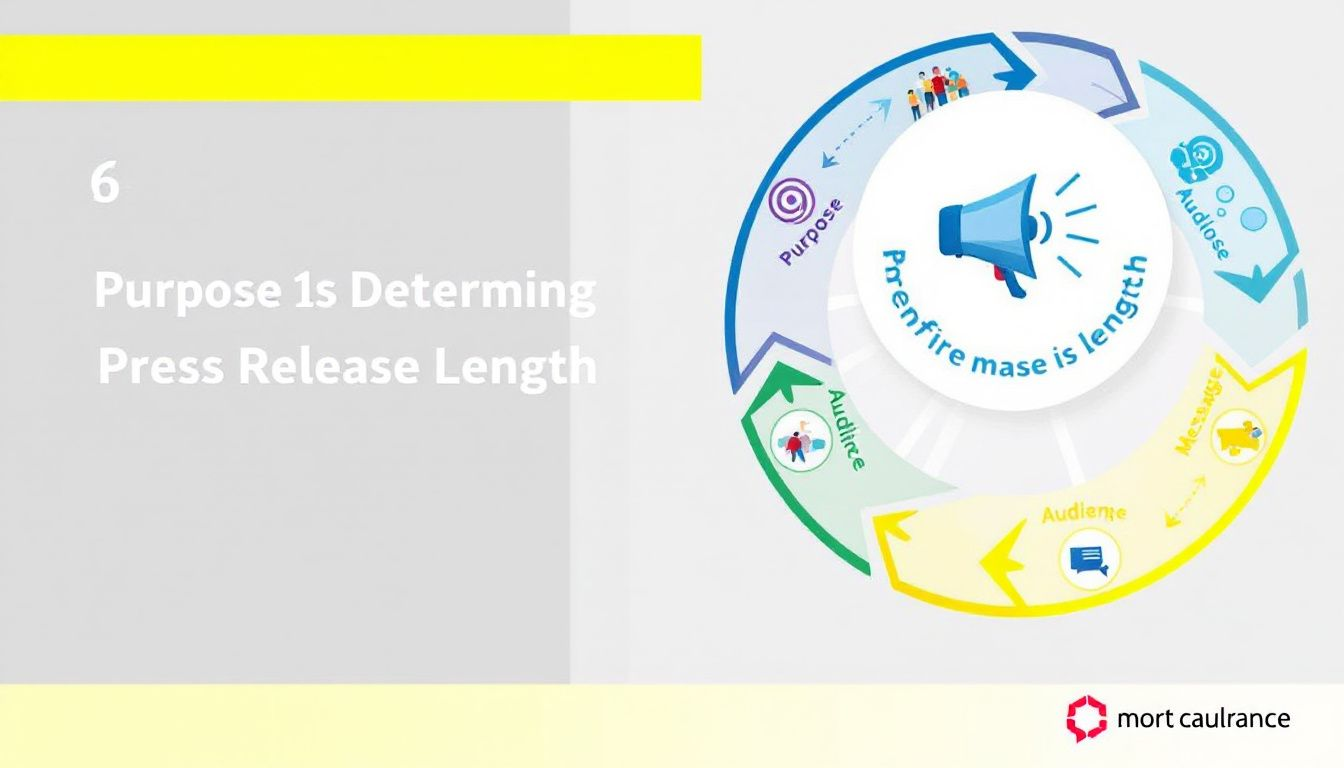
Several factors influence the ideal press release length. A well-formatted press release should not exceed one page, allowing journalists and readers to quickly grasp key points. Using the inverted pyramid structure, which prioritizes the most critical details first, can help ensure that the most important information is conveyed effectively. The type of announcement and target audience also play crucial roles in determining the optimal press release length.
For example, a product launch might need more details than a simple event announcement. Customizing the word count for different audiences ensures maximum coverage without excessive length. The body of the press release should include detailed, supportive information while remaining concise.
A press release should be at least 200 words to communicate news effectively. Balancing detail and brevity is essential to create an informative and engaging press release, which contributes to the perfect press release length.
Structuring Your Press Release
A well-structured press release format captures attention, conveys essential information, and leaves a lasting impression in the current news cycle. It typically includes a headline, subheader, dateline, body, quote, company information, logo, and media contact details.
Effectively crafting each of these elements ensures your effective press release is engaging, easy to read, and easy to understand.
Crafting a Concise Headline
The headline is the first thing journalists and readers see, so it needs to be compelling and concise. Ideally, keep it under ten words to ensure it is easily read and understood in news stories.
An engaging press release headline captures the reader’s attention. Think of it as the hook of your news story—if it doesn’t grab attention immediately, the rest of your press release might be overlooked. A good headline should succinctly convey the essence of your announcement and spark interest.
Writing an Impactful Opening Sentence
The opening sentence is your chance to hook the reader. It should succinctly present the main point of the announcement, capturing interest immediately. The first paragraph should engage journalists by answering the core questions about the news. Specifically, it should address the 5 Ws: who, what, where, when, and why, to provide a comprehensive overview right from the start. A strong opening paragraph often determines if a journalist will read the rest of the press release.
A strong opening sentence sets the tone for the rest of the press release, making a powerful first impression and ensuring the reader understands the main message immediately. This is your opportunity to highlight the most newsworthy aspect of your announcement. Journalists often spend only seconds scanning press releases to decide if a story is newsworthy.
Developing the Body Content
After hooking the reader with your headline and opening sentence, the body of the press release should provide up to 200 words of sufficient details to support them. Offering detailed yet concise information prevents reporters from needing further research.
The body is the meat of your press release—it should provide all necessary information while maintaining interest. Use clear, direct language and ensure each paragraph conveys a single idea for clarity.
Summarizing in the Closing Paragraph
The closing paragraph is your final opportunity to leave a lasting impression. It should be about 20 words and include a summary and a call-to-action.
This brief conclusion reinforces the main points and encourages the reader to take action.
Enhancing Readability
Enhancing readability ensures your press release is easily read and understood. Each paragraph should convey a single idea for clarity. Keep short paragraphs of 2–3 sentences each to improve scannability. Using bullet points and lists can significantly improve the clarity of key information. Each paragraph in a press release should ideally contain three to four sentences for clarity.
Short paragraphs and sentences contribute to a more straightforward and engaging reading experience. Avoid cluttered formatting; using bullet points and clear headers improves readability. Appropriate typography, including font style and size, also enhances visual appeal.
Boilerplate and Contact Information
A boilerplate serves as a consistent company summary at the end of a press release. This section enhances credibility and can include a call-to-action. Including numerical data about company achievements, such as awards or client counts, can strengthen the boilerplate.
The contact information section should provide all pertinent details to encourage audience interaction, including social media handles and other contact methods. Typically, this section ranges from 50 to 200 words.
Common Mistakes to Avoid
Common mistakes in press releases can significantly impact their effectiveness. Exceeding 500 words might cause journalists to ignore the release. Conciseness respects journalists’ time and increases coverage. Journalists are busy and prefer concise press releases to quickly absorb the necessary information.
Other mistakes include excessively long paragraphs, lack of focus, and overly formal language. Balancing clarity and engagement is crucial; too much information can overwhelm readers, while too little leaves them uninformed. A strong opening sentence captures attention quickly.
Customizing for Different Media Outlets

Tailoring press releases for different media outlets maximizes coverage. Different outlets have unique characteristics, audiences, and editorial guidelines to consider. Personalizing press releases increases engagement and boosts the likelihood of coverage.
Understanding the preferences of various media outlets allows you to align content with their interests. Emphasizing local relevance can significantly enhance the appeal of a press release to newspapers focused on community news.
Leveraging Multimedia
Including multimedia in your press releases can significantly enhance their impact. Press releases with images and multimedia attract more attention. Incorporating multimedia elements can boost engagement by up to 9.7 times. Multimedia not only enhances the message but also increases the chances of media coverage and social media shares.
Video content and infographics are particularly effective as they capture attention and promote higher engagement. Quality multimedia content is more likely to be utilized by media outlets, making your press release more appealing.
Examples of Effective Press Releases
Examples of effective press releases provide valuable insights. For instance, TaskShift’s press release effectively communicated new service launch details, emphasizing its unique selling proposition and company mission. Such press releases maintain a single-page length to remain concise and engaging.
Well-written press releases capture attention and facilitate information extraction for journalists. Studying effective examples teaches you how to structure and present your own public relations press releases effectively.
Tools and Resources
Various tools and resources aid in press release distribution. Platforms like Cision PR Newswire and Business Wire offer extensive networks and multimedia options for different industries. PRWeb benefits smaller businesses due to its affordability and strong SEO capabilities.
Using press release distribution tools saves time and resources by automating the sending process to multiple channels. Features like tracking and analytics help measure the performance of press releases and inform future strategies.
Summary
In summary, crafting an effective press release involves understanding the ideal length, structuring it properly, enhancing readability, and avoiding common mistakes. Leveraging multimedia and customizing for different media outlets can significantly boost your press release’s impact. By applying these tips, you’ll be well on your way to capturing media attention and achieving your communication goals.
Curious to learn more about how Salient PR can elevate your public relations? Visit our website to explore our services and success stories.
Frequently Asked Questions
How long should a press release be?
A press release should be between 300 to 400 words to keep it clear and engaging. This length helps grab attention without overwhelming the reader.
What should be included in the boilerplate section?
A strong boilerplate should definitely include a company summary, key achievements, and up-to-date contact information, all while keeping your brand voice consistent. This makes it easy for readers to grasp who you are and how to reach you!
How can I make my press release more readable?
To make your press release more readable, stick to bullet points, short paragraphs, clear headers, and an active voice. This will help grab attention and convey your message more effectively.
Why is it important to tailor press releases for different media outlets?
It's important to tailor press releases for different media outlets because it increases the chances of getting noticed and covered by aligning with their specific preferences. When you cater to their style, your message stands out and engages the audience more effectively.
What are the benefits of including multimedia in a press release?
Including multimedia in a press release makes your message pop, grabs more attention, and boosts your chances of getting media coverage and social shares. It's a smart way to make your news stand out!