
Creating a Message Framework: Key Steps and Effective Strategies
A message framework is a tool for clear and consistent brand communication. It ensures your messages align with your brand and audience needs, building trust and recognition. This article explains what a message framework is, why it’s crucial, and how to create one.
Key Takeaways
A messaging framework defines clear and consistent brand communication, ensuring alignment across all channels and fostering consumer trust.
Key components of an effective messaging framework include identifying the target audience, crafting a compelling value proposition, and writing a concise positioning statement.
The creation of a messaging framework involves conducting a message audit, researching competitors, and engaging stakeholders, with ongoing testing and refinements to maintain its effectiveness.
Understanding a Message Framework
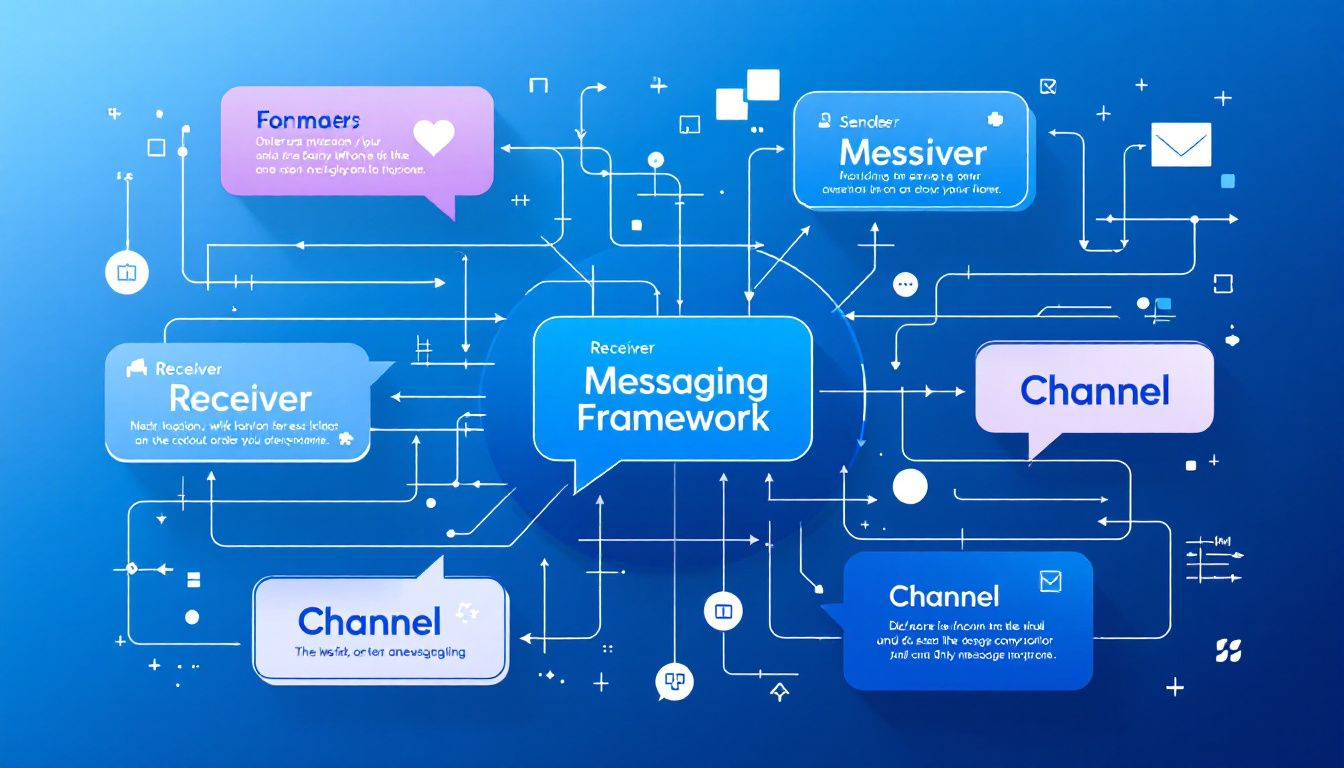
A messaging framework defines what to say, to whom, and how to deliver the message. It serves as a resource for maintaining clear and consistent messaging across all communication channels. Imagine it as the cornerstone of your brand’s communications, providing a single source of truth for internal teams developing customer-facing material. It ensures that every piece of content aligns with the brand’s core message, guiding content creators on essential messages. Core messages are primary overarching statements summarizing what a brand does and why it matters, forming the foundation of the messaging framework.
The primary function of a messaging framework is to create consistency in brand communication. Consistency helps consumers understand what the brand is about and fosters trust and recognition. When every team member speaks the same language, it strengthens the brand’s identity and makes marketing messaging more coherent and impactful. Additionally, this consistency makes it easier for employees and stakeholders to share information about the company with clients and customers.
A well-defined messaging framework also organizes key messages hierarchically, highlighting communication priorities. This hierarchical structure, often referred to as messaging architecture, enhances clarity for content creators and ensures that the most vital messages are always front and center. Additionally, a messaging framework includes a brand promise, which is a claim made to customers about products or services, reinforcing trust and expectations.
The Importance of a Message Framework
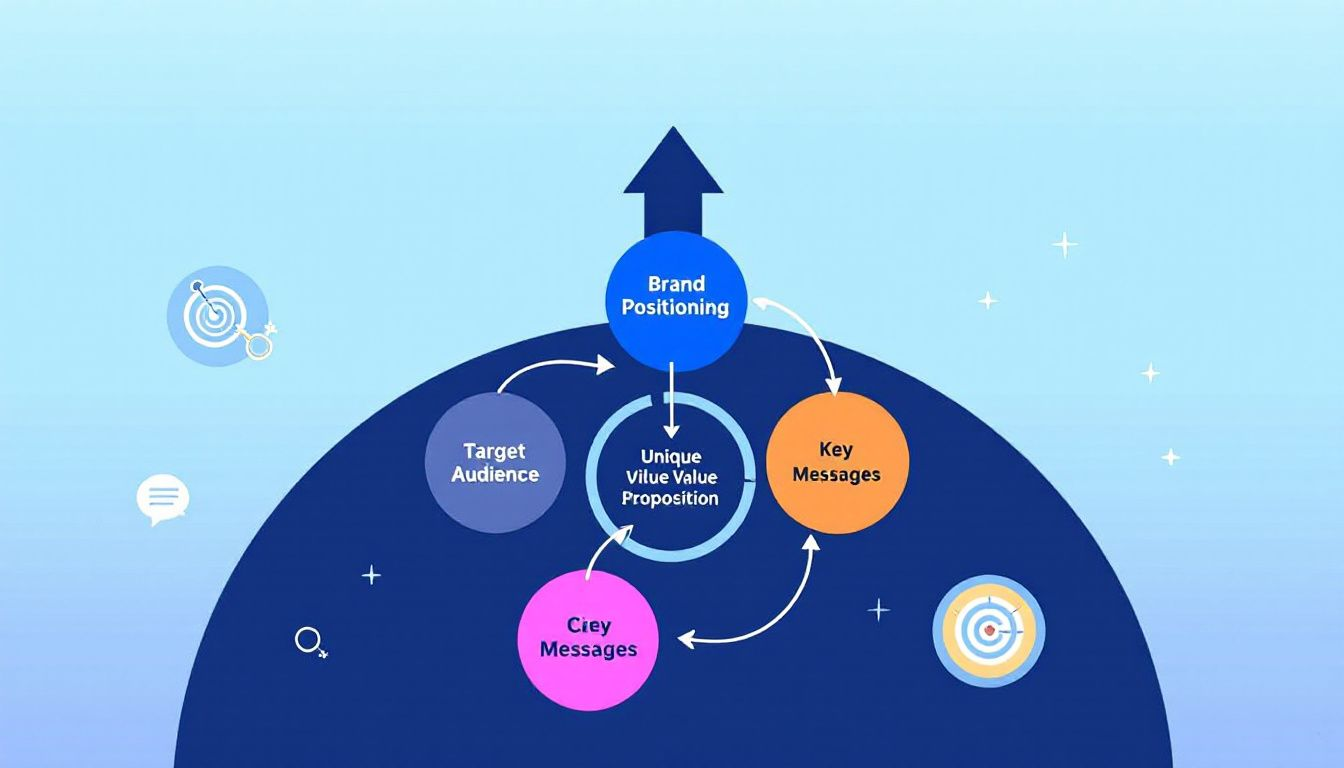
A messaging framework ensures consistent communication across various channels, reinforcing brand identity. Think of it as the glue that holds all your marketing efforts together, ensuring that every message, whether in an email, social media post, or advertisement, aligns with your brand’s core values and objectives. This uniformity in messaging enhances brand recognition and fosters customer trust, which are essential for maintaining a competitive edge in the market. Additionally, a strong messaging framework can lead to improved alignment between marketing and sales teams, increasing the likelihood of closing deals. For instance, Yeti, known for its high-quality and durable outdoor products, highlights the real-world experiences of its customers in its messaging framework, creating a strong connection with its audience.
Moreover, a well-defined messaging framework helps organizations articulate their unique value propositions, differentiating them from competitors. It provides a solid foundation for all communications, ensuring that the most important points are consistently conveyed to the target audience. This clarity and consistency are key to effective messaging and achieving your communication goals. For example, Allbirds, a sustainable footwear company, emphasizes both style and environmental responsibility in its messaging framework, showcasing how a clear focus can resonate with customers.
Key Components of an Effective Messaging Framework
Creating an effective messaging framework involves several key components. Identifying your target audience, crafting a compelling value proposition, and writing a clear positioning statement are fundamental steps. Each of these components plays a crucial role in shaping your brand messaging and ensuring that your communications resonate with your audience.
Focusing on these key components helps develop a messaging framework that guides your marketing efforts and content strategy. This structured approach helps in creating clear messaging that aligns with your brand’s communication goals and key performance indicators.
Let’s delve deeper into each of these components to understand their significance and how to execute them effectively.
Identifying Your Target Audience
Identifying your target audience is the first step in creating an effective messaging framework. Knowing who your audience is helps determine whom to send messages to and is crucial for effective communication. Failing to appropriately target an audience can lead to a mismatch in messaging style, resulting in ineffective marketing campaigns. Identifying key factors such as demographics, profession, lifestyle, goals, pain points, and preferences helps create detailed buyer personas that clearly define your target audience. Customer personas, which are fictional representations of members of a target audience, are instrumental in this process.
Consulting sales, marketing, and product teams can provide valuable insights about the customer and help in adapting communication for different audience segments. This ensures that your messages resonate with potential customers at various stages of the customer journey map, ultimately leading to more effective marketing efforts and a stronger brand personality.
Crafting a Value Proposition
Crafting a compelling value proposition is essential for effective brand messaging. A value proposition describes the emotional and practical benefits a product or service provides. It aims to answer how the brand addresses customer pain points, what value customers receive, and reasons to purchase. A value proposition highlights both emotional and practical benefits of a product or service by clearly communicating how a brand addresses customer pain points.
Unique selling points (USPs) are critical differentiators that help in selling products or services. A unique value proposition must communicate these USPs clearly and consistently to consumers. Supporting messages should be concise and address the needs of the target audience, ensuring that the value proposition is compelling and memorable. Supporting points provide specific features, benefits, data, or testimonials that back each core message or messaging pillar, making the overall communication more robust and persuasive.
Writing a Positioning Statement
A brand positioning statement summarizes the unique value proposition of a brand in a concise manner. It articulates the essence of the brand, including its target audience and differentiation. This statement serves as the foundation for the entire messaging framework, guiding all brand communications. The positioning statement ensures that all messaging aligns with the brand’s core values and objectives by summarizing the brand’s value proposition, articulating its unique selling points, and reinforcing the brand promise. A mission statement is also essential in this context, as it defines the brand’s purpose and direction.
Brand pillars, which are key themes supporting the brand’s positioning and USPs, further reinforce the positioning statement. These pillars help in creating a clear picture of the brand’s identity and ensure that all communications consistently reflect the brand’s mission and values. Messaging pillars support core messages with 3-4 foundational themes, providing a structured approach to brand communication.
Steps to Create a Messaging Framework
Creating a messaging framework requires a structured, step-by-step approach. The process begins with conducting a message audit, which involves evaluating existing communications to identify strengths and weaknesses. This is followed by researching competitors to understand the messaging landscape and identify unique selling propositions. Finally, engaging stakeholders ensures that the framework is comprehensive and aligned with the brand’s values and objectives. Developing a message framework also involves defining core strategy, creating audience personas, drafting messages, documenting components, and training teams to ensure effective implementation.
The development of a messaging framework should be viewed as an iterative process, allowing for continuous refinement over time. Messaging frameworks also serve as valuable training tools for onboarding new employees, ensuring consistent messaging across the organization.
Let’s explore each of these steps in more detail.
Conducting a Message Audit
Conducting a message audit is the first step in creating a messaging framework. A brand inventory, which is a record of all marketing assets, is essential for tracking their usage and effectiveness. To evaluate the effectiveness of a messaging framework, it is necessary to gather feedback, perform A/B testing, and analyze engagement data. This helps in refining and improving your message based on real-world performance.
After putting the message into the world, gathering feedback from customers and stakeholders is crucial for making necessary adjustments. The brand positioning statement serves as the foundation for the messaging framework, guiding all evaluations and refinements.
Researching Competitors
Researching competitors’ messaging helps identify unique selling propositions that distinguish your brand in the marketplace. Understanding the messaging landscape enables businesses to align their own communications more closely with customer expectations. This step is crucial for recognizing gaps and opportunities in the market, allowing brands to sharpen their message and ensure it resonates effectively with their target audience.
Engaging Stakeholders
Engaging stakeholders is a critical step in the messaging framework creation process. Incorporating insights from various teams, such as sales and marketing, enriches the framework and ensures it reflects the brand’s values and customer targeting. Consulting key stakeholders during the implementation phase is crucial for gathering valuable perspectives and ensuring alignment and buy-in.
Incorporating training sessions for team members enhances understanding and application of brand messaging guidelines. This ensures that all communications align with the brand’s core message and are consistent across different marketing channels and customer journey stages.
Implementing and Testing Your Messaging Framework

Before sharing your drafted messaging framework, it’s essential to test it to ensure it delivers the intended message. Once developed, share the framework with stakeholders and apply it across all channels to achieve consistency. Adaptability across different communication channels is crucial for the successful implementation of your messaging framework.
To determine the success of your messaging strategy, track metrics like page views and engagement rates. Defining key performance indicators (KPIs) and tracking mechanisms is critical for optimizing messaging effectiveness.
Utilize feedback and performance metrics to continuously adjust and improve your messaging framework over time. Be willing to adjust your messaging based on audience feedback to enhance connection and engagement. Remember, your messaging framework is a living and evolving process that should adapt to changing market needs and customer preferences.
A/B Testing
A/B testing enables marketers to isolate variables and identify which messaging performs best. Marketers can accurately assess which changes in messaging contribute to performance improvements by isolating variables. Effective A/B testing requires a clear hypothesis that guides the comparison between different messaging options.
Measurable outcomes are essential to accurately assess the performance of messaging variants.
Gathering Feedback
Incorporating both quantitative and qualitative feedback can provide a comprehensive view of messaging effectiveness. Establishing a feedback loop with internal teams can enhance the iterative process of refining messages. Collecting customer feedback is essential for refining messaging to better align with customer needs and preferences.
The iterative process of refining messages benefits significantly from ongoing feedback collected from both customers and internal teams.
Best Practices for Maintaining Consistent Messaging
Implementing a messaging framework ensures that all departments convey uniform messages across different types of content. The role of tone and voice in a messaging framework creates an authentic brand identity and avoids misleading tactics. The tone of voice is characterized by the personality and style of communication, such as friendly or authoritative, which helps in establishing a consistent and relatable brand image.
People most remember visual elements about a brand, which enhances consistency across different touchpoints. Utilizing a content style guide fosters a unified brand image across various marketing materials.
Creating a Style Guide
Creating a style guide is essential to ensure messaging consistency among multiple content creators. Training for employees is crucial to ensure they can implement the brand guide effectively. Regular updates to the style guide keep it relevant and effective in guiding content creation.
A well-implemented style guide enhances unique brand identity and unifies tone, voice, and visual elements across all communications.
Regular Reviews and Updates
Regularly revisiting the messaging framework helps keep it relevant to changing market conditions. Periodic updates to the messaging framework are necessary to keep it aligned with evolving business objectives.
Consistently evaluating the messaging framework ensures it remains effective and aligned with the brand’s communication goals.
Summary
In summary, a well-crafted messaging framework is the backbone of effective brand communication. It ensures consistency, clarity, and alignment with the brand’s core values across all channels. By following the steps outlined in this guide and adhering to best practices, you can create a messaging framework that resonates with your audience and supports your marketing efforts. Key components of a message framework include target audience, unique value proposition, brand positioning, core messages, supporting points, and tone of voice. Remember, a messaging framework is a living document that should evolve with your brand and market needs.
Curious to learn more about how Salient PR can elevate your public relations? Visit our website to explore our services and success stories.
Frequently Asked Questions
Why is a messaging framework important for my brand?
A messaging framework is crucial for maintaining consistent communication, which reinforces your brand identity and builds customer trust. It effectively articulates your unique value propositions, helping to differentiate your brand in a competitive marketplace.
What are the key components of an effective messaging framework?
An effective messaging framework consists of identifying your target audience, crafting a compelling value proposition, and developing a clear positioning statement. These components are essential for creating resonant brand messaging.
How can I ensure my messaging framework remains effective over time?
To ensure your messaging framework remains effective over time, regularly review and update it in response to changing market conditions and business objectives. Incorporating feedback from customers and internal teams will help you continuously refine your messages.
What is the role of A/B testing in messaging?
A/B testing plays a critical role in messaging by allowing marketers to isolate variables and determine which variations resonate best with their audience. This process facilitates informed decision-making to enhance messaging effectiveness.
How can I gather effective feedback on my messaging?
To gather effective feedback on your messaging, integrate both quantitative and qualitative insights from customers and internal teams while creating a feedback loop. This approach will enable continuous refinement of your messages to better align with audience needs.