
Mastering Your Media Relations Strategy: Proven Tips and Techniques
A well-defined media relations strategy helps your brand gain favorable media coverage, enhance visibility, and build credibility without the high costs of direct advertising. This guide will walk you through building and maintaining strong relationships with journalists, crafting compelling stories, and effectively managing media interactions.
Key Takeaways
Effective media relations require building strong relationships with journalists, understanding their interests, and crafting tailored pitches.
Setting clear and measurable goals aligns media relations efforts with business objectives and allows for effective strategy evaluation and adjustments.
Utilizing social media, influencer collaborations, and media monitoring tools can enhance brand visibility and improve overall media relations strategies.
Mastering Your Media Relations Strategy: Proven Tips and Techniques
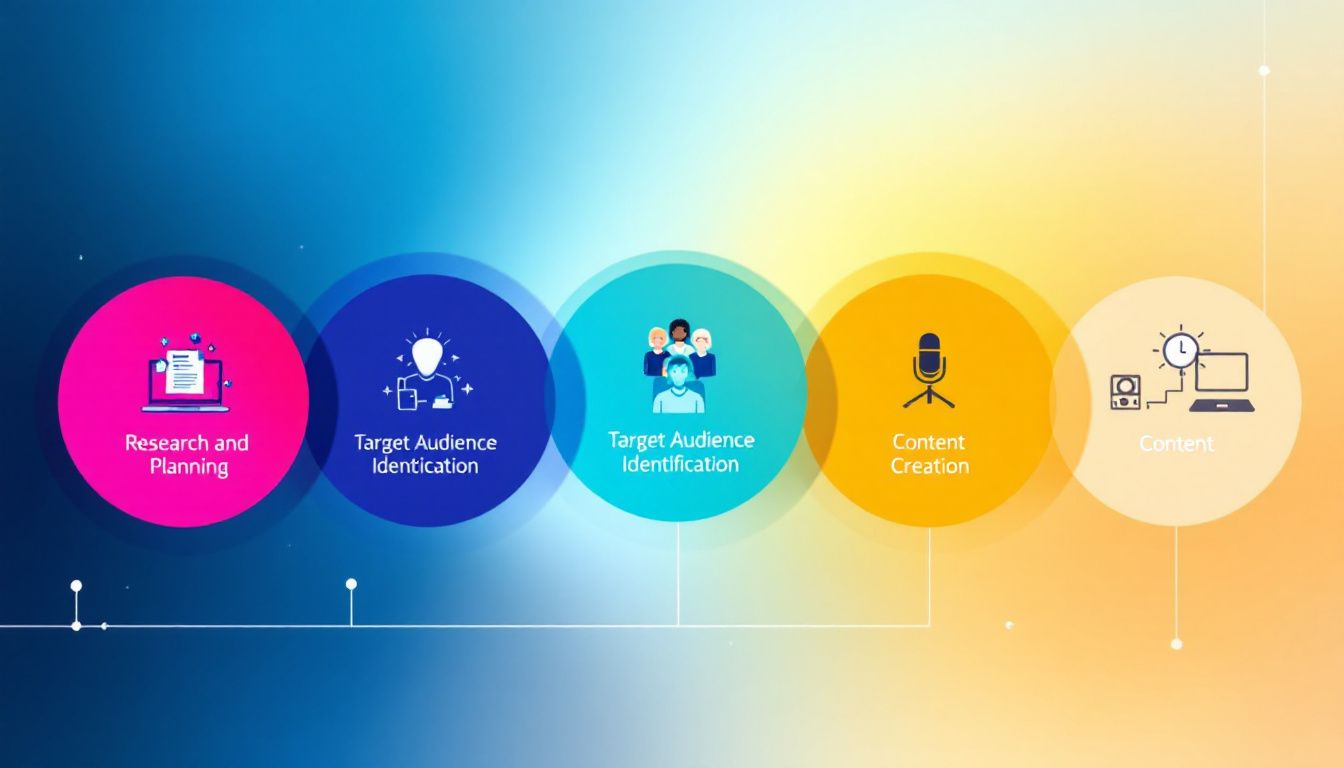
Mastering media relations is not just about sending out press releases; it’s about building and maintaining strong media relationships that can help your brand achieve its goals. A successful media relations strategy involves understanding the interests of journalists, creating effective media pitches, and employing basic storytelling techniques to engage media interest. The goal of media relations is to become a trusted, go-to source for journalists by offering consistent value. Good relationships with those in media positions can also ensure the outflow of timely and accurate information to the public, reducing potential damage during crises.
Regular team meetings ensure everyone grasps campaign goals and contributes to media engagement. Following the tips and techniques in this guide will help you develop a successful media relations strategy, securing positive media coverage and enhancing your brand’s reputation.
Introduction
A well-crafted media relations strategy is essential for enhancing a brand’s visibility and credibility in today’s complex media environment. In an age filled with misinformation, earned media through solid media relations efforts provides objective validation that boosts brand equity. The main goal of media relations is to achieve favorable media coverage without direct advertising costs. A successful media relations strategy requires a shift from mass communication to targeted, relationship-based engagement and integrated digital tactics.
Launching a PR campaign requires a clear strategy to properly convey the unique value of the client or company. Media relations involves collaborating with the media to communicate an organization’s goals and practices positively and consistently.
Understanding and implementing effective media relations strategies within the current media landscape can significantly improve your brand’s public perception and help achieve business objectives.
Understanding Media Relations
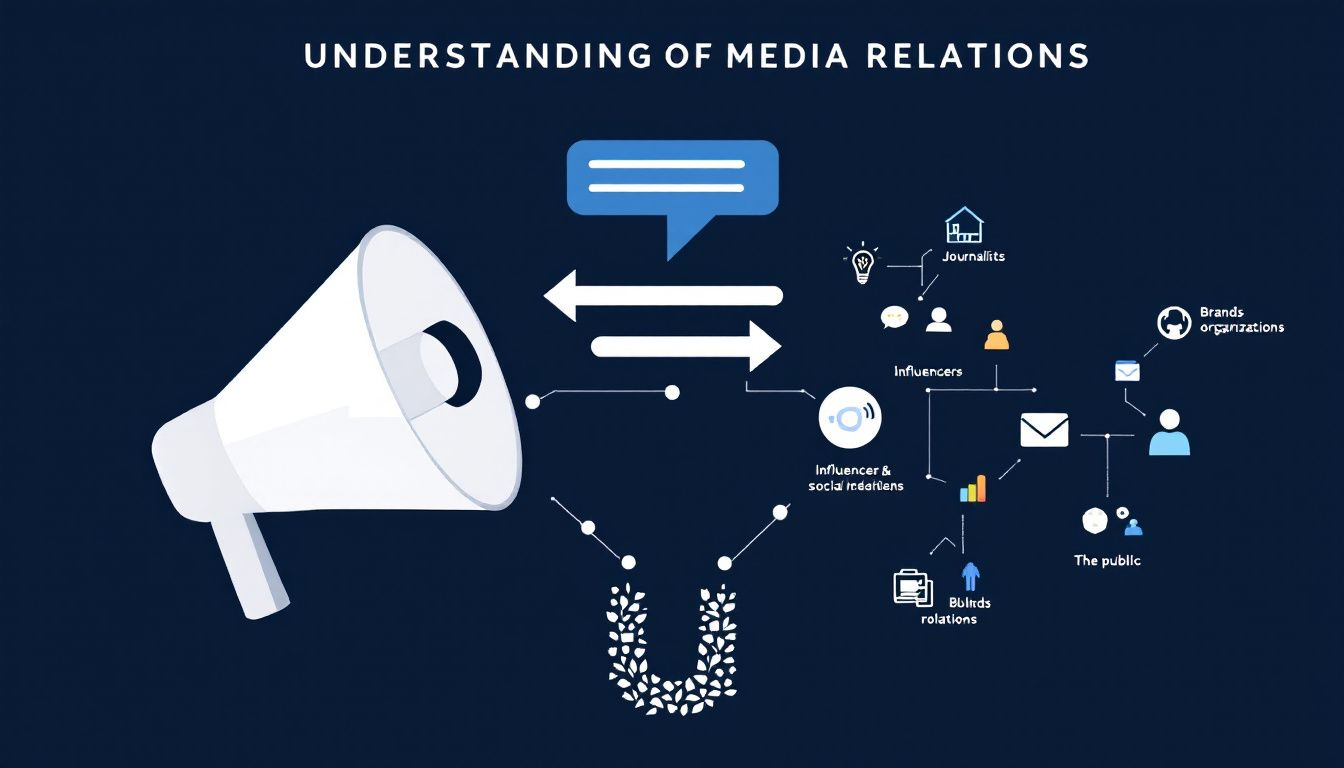
Media relations is a critical aspect of public relations focused on building relationships with media outlets and journalists. Media relations refers to these relationships, which are essential for effective public relations and achieving business goals. Building and maintaining strong media relationships is key to sustained media attention and relevance.
Effective media pitching involves identifying the right journalist, creating the pitch, and following up. Knowing the interests and coverage areas of journalists is key to creating effective media pitches. PR professionals should familiarize themselves with a media outlet before making a pitch to avoid approaches with irrelevant stories. Creativity and basic storytelling techniques can significantly enhance the likelihood of engaging media interest. Personalizing every pitch increases the likelihood of success compared to using generic email blasts. Journalists prefer newsworthy stories that connect to larger trends and provide original data or unique insights.
Media relations strategies aim to secure positive media coverage for the brand. Proactive approaches, regular outreach, and prompt responses are crucial for successful media relations. Regular team meetings ensure everyone understands campaign goals and contributes to media engagement. By refining your PR strategies, you can make your media relations plan efforts more effective.
Setting Clear Goals and Objectives
Defining clear goals helps provide direction and align media relations efforts with broader business objectives. Goals should be broad outcomes tied to the event’s purpose and aligned with PR and business priorities. Objectives must be specific, measurable actions linked to goals, following the format ‘To do X by Y with Z’. Setting measurable goals during a PR campaign allows for effective assessment of success and areas for improvement.
Regular evaluation of progress against objectives allows for strategy adjustment to ensure goals are met. A common mistake in defining media relations objectives is focusing on self-promotion rather than strategic outcomes.
Setting clear, measurable goals and objectives allows you to effectively communicate progress and success, and make informed decisions for future strategies.
Identifying Your Target Audience
A well-defined target audience significantly enhances the effectiveness of media campaigns, ensuring messages resonate with the intended groups. Characterizing your audience based on demographics and psychographics helps in crafting tailored messages that align with their preferences. Researching audience behaviors is crucial to develop media strategies that effectively engage them across different platforms.
Creating audience personas can aid in visualizing and understanding the unique traits and needs of different audience segments. Utilizing data analytics tools can provide insights into audience engagement and preferences, aiding in strategic decision-making.
Integrating audience feedback into media strategies is essential for maintaining relevance and effectiveness. Understanding and identifying your target audience ensures your media strategy is focused and effective.
Crafting Key Messages
Effective key messages should clearly define the issue at hand, explaining why it matters and outlining a solution while including a call to action. Key messages are most effective when they highlight personal impacts and encourage public involvement in solutions. These messages should be consistent across all media channels to effectively communicate a brand’s value.
Key messages should be treated flexibly; they can and should be updated to reflect new situations or information. Accurate data should support key messages to ensure credibility during media interactions. Using a consistent tone and style that evokes empathy while projecting confidence is crucial in media communications.
When developing key messages, it’s essential to consider the brand’s unique selling points and how they resonate with the target audience. Tailoring key messages to specific media outlets enhances communication and effectiveness. A message box can be created to summarize and organize all key messages, serving as a vital component of the communication strategy.
Building and Maintaining Media Contacts
Keeping media contact lists updated is essential due to frequent changes in journalists’ assignments and positions. Maintaining an accurate media list prevents frustration for journalists and ensures effective communication. Staying consistently in touch with journalists helps them remember you as a reliable source for their stories.
Expressing gratitude after media coverage, such as sending a thank-you note, helps maintain positive relationships with journalists. Understanding and respecting journalists’ deadlines demonstrates professionalism and builds goodwill. Crafting compelling and concise pitches tailored to journalists’ audiences can significantly enhance the likelihood of coverage.
Building a useful media contact list and sending updates without overwhelming journalists fosters better relationships. Proactively providing useful tips to reporters, even if it doesn’t directly benefit you, fosters trust and strengthens relationships. Including follow-up opportunities after events helps maintain relationships with journalists.
Building and maintaining relationships with journalists leads to positive media coverage and improves brand reputation.
Creating Compelling Content

Using storytelling techniques can enhance the emotional connection of your press releases. Incorporating statistics and real-life examples can make pitches more relatable. Utilizing quotes from key figures can add credibility to your content. Clear, concise headlines are crucial for capturing media attention. Additionally, creating easily digestible and shareable content, such as high-resolution images and infographics, is essential for digital-first content.
Interactive elements in press releases can engage readers more effectively. Highlighting the benefits and implications of your news can attract media interest. PR teams can distribute press releases and news updates on social media to reach broader audiences.
Creating compelling content effectively communicates your key messages and secures positive media coverage. Using owned media platforms helps control the narrative and directly tell your story.
Leveraging Media Monitoring Tools
The use of media monitoring software is essential for tracking the effectiveness of public relations campaigns. Real-time monitoring tools provide alerts about media coverage and potential crises. Tools like Brand24 and Google Alerts help track mentions and generate insights for PR strategy refinement.
Prowly offers features for tracking key performance indicators, such as engagement and sentiment for PR activities. Using multiple media monitoring tools can provide a more comprehensive view of media coverage and audience engagement.
AI-powered media monitoring tools can analyze sentiment and context of media mentions, enhancing data interpretation. Leveraging these tools can help you stay on top of media coverage and adapt your strategies as needed.
Developing a Crisis Communication Plan
Proactive planning is essential to manage crises effectively and minimize reputational damage. During crises, social media serves as a vital tool for timely communication and managing public concerns. A designated crisis team should be formed in advance to ensure swift decision-making and communication during a crisis. A crisis communication plan outlines the steps and protocols for handling crises and communicating with stakeholders and the media.
It is crucial to identify and prepare spokespersons before a crisis occurs to ensure they are ready to communicate effectively. Establishing specific media policies is important to control communications and designate authorized spokespersons.
Creating and refining holding statements in advance allows for immediate communication when a crisis arises. Regular testing and analysis of the crisis communication plan help identify potential weaknesses and improve responsiveness.
Utilizing Social Media Platforms
Social media enhances media relationship management by engaging journalists, sharing relevant content, monitoring coverage, and building relationships. Engaging with journalists on social media includes following them, sharing their articles, commenting on their posts, and thanking them for coverage. Using hashtags in social media helps increase content visibility and allows participation in relevant conversations. Responding quickly to journalists' inquiries establishes you as a reliable source and builds trust.
Twitter is perfect for brief updates. In contrast, LinkedIn works well for more extensive, professional content. Connecting with journalists can be facilitated using tools like Twitter lists, LinkedIn groups, and Facebook communities.
To evaluate social media strategy effectiveness, metrics such as engagement metrics, brand mentions, and sentiment should be monitored. Platforms like LinkedIn and Twitter are effective for PR professionals to foster relationships with journalists.
Engaging Influencers and Thought Leaders
Collaborating with industry influencers enhances brand credibility by associating with trusted figures. Long-term influencer collaborations are more beneficial than one-time campaigns, fostering sustained audience engagement. Strategic partnerships with influencers lead to increased brand awareness among untapped customer segments.
Working with influencers can significantly improve SEO by generating high-quality external links to your site. Influencers provide valuable insights into consumer behaviors and preferences, aiding brand strategy and market positioning.
Engaging influencers and thought leaders can be a powerful addition to your media relations strategy, amplifying your reach and impact.
Hosting Media Events
Organizing exclusive media events or press tours can significantly enhance relationships with journalists. During media events, experiences like taste tests, demos, or behind-the-scenes tours can engage attendees effectively. Exclusive media events aim to leave a lasting impression on journalists and keep the brand top of mind. Creating a media kit is important for providing journalists with essential information about your brand.
Strategic event promotion is essential to ensure attendance from key media personnel, maximizing its effectiveness. Influencers play a critical role in media events as they can help generate buzz among their social media audiences. Offering unique experiences, like interactive product demonstrations, makes events more appealing to media attendees.
Evaluating and Adapting Your Strategy
Monitoring media coverage helps identify opportunities for improvement in your strategy. Effective monitoring and evaluation involve tracking both quantitative and qualitative data to measure success. It is crucial to monitor channels and strategies over time for sustained success in media relations.
Regular analysis of media interactions can reveal valuable insights for future campaign adjustments. Analytics from social media can provide insights into audience engagement and effectiveness of PR campaigns. Conducting post-campaign reviews can enhance understanding of what worked and what didn’t.
Adapting strategies based on performance metrics fosters a culture of continuous improvement. Reports on media campaign results should include key metrics, data analysis, and future recommendations. This proactive approach ensures that your media relations strategies remain effective and aligned with business objectives.
Summary
In summary, mastering your media relations strategy involves understanding the media landscape, setting clear goals, identifying your target audience, crafting key messages, and building strong media relationships. Creating compelling content, leveraging media monitoring tools, developing a crisis communication plan, and utilizing social media platforms are essential components of a successful media relations strategy. Engaging influencers and hosting media events can further enhance your media coverage and brand visibility. Integrating PR with marketing and SEO ensures consistent messaging across all channels.
By continuously evaluating and adapting your strategy, you can ensure sustained success in your media relations efforts. Implementing these proven tips and techniques will help you effectively communicate your brand’s value, secure positive media coverage, and achieve your business objectives. Remember, media relations is an ongoing process that requires dedication, creativity, and strategic thinking.
Curious to learn more about how Salient PR can elevate your public relations? Visit our website to explore our services and success stories.
Frequently Asked Questions
Why is it important to set clear goals and objectives in media relations?
Setting clear goals and objectives in media relations is crucial for providing direction and ensuring alignment with broader business aims. This clarity enables effective evaluation of success and identification of areas for improvement.
How can I identify my target audience for a media campaign?
To effectively identify your target audience for a media campaign, focus on defining demographics and psychographics, researching behavioral patterns, and creating detailed audience personas. Leveraging data analytics tools will further enhance your understanding of audience engagement and preferences.
What are key messages and why are they important?
Key messages are essential tools that succinctly convey the core issue, its significance, proposed solutions, and a call to action. Their consistency across platforms ensures effective communication of a brand's value and strengthens audience connection.
How can I build and maintain strong media relationships?
To build and maintain strong media relationships, keep your media contact lists updated, communicate regularly with journalists, show appreciation for their coverage, respect their deadlines, and create tailored pitches that resonate with their audiences. This approach fosters trust and ensures productive engagement.
What role do media monitoring tools play in media relations?
Media monitoring tools are crucial in media relations as they enable organizations to track coverage, analyze sentiment, and gain insights that refine PR strategies effectively. By facilitating real-time alerts and tracking mentions, these tools enhance the ability to measure the impact of public relations efforts.