
What is the Press Release: Key Facts and Benefits Explained
A press release is an official document companies use to announce important news to the public and media. It helps inform audiences about significant updates and events. Press releases are considered a primary source, meaning they are original informants for information. This article explains what is the press release, its key elements, different types, and their benefits.
Key Takeaways
A press release is an official document created by a company’s public relations department to announce important news and engage media outlets.
Key elements of a good press release include a strong headline, concise introduction, detailed body with credible quotes, a boilerplate about the company, and contact information for journalists. A good press release should strive to be brief and to the point, with an attention-grabbing subject line, newsworthy content, and clear prose.
Press releases serve various purposes and types, such as product launches or crisis communications, and require strategic distribution methods to maximize reach and media coverage.
Understanding What a Press Release Is

A press release, often referred to as a media release, is an official document issued by a company’s public relations department to announce important news. It serves as a bridge between the organization and media outlets, aiming to inform the public about significant events or updates. A news release aims to highlight an organization’s news and reach its target audience effectively.
Companies rely on press releases to announce significant news and engage media outlets. They are crafted to resemble articles, containing quotes and facts relevant to the news story, which helps in engaging the reader. Whether it’s announcing a new product, a merger, or a significant event, a well-written press release can spark interest and media coverage.
Usually, the company’s public relations department manages the creation and distribution of press releases. This guarantees the information is accurate, professionally presented, and aligns with the company’s communication strategy. Press releases are typically delivered to news media electronically, ready to use, and often subject to a news embargo.
Key Elements of a Good Press Release
Several key elements are involved in creating a compelling press release. The headline is critical for grabbing the reader’s attention and summarizing the main topic. The dateline, following the headline, provides the announcement’s date and location, adding professionalism.
The introduction offers context and engages the audience from the start, setting the stage for the announcement. This part should be concise yet informative, drawing the reader into the main content. The body provides detailed information about the announcement, often including quotes from key figures for credibility and relevance. The body of a press release generally consists of four to five paragraphs with a word limit ranging from 400 to 500 words.
Towards the end, a boilerplate offers background information about the issuing company. This segment provides context and insight into the company’s operations and mission, enhancing the press release’s informativeness. Lastly, contact information is crucial for journalists who may want to follow up. A press release should always contain contact information so that journalists know where to turn to pursue a story based on the release.
Types of Press Releases
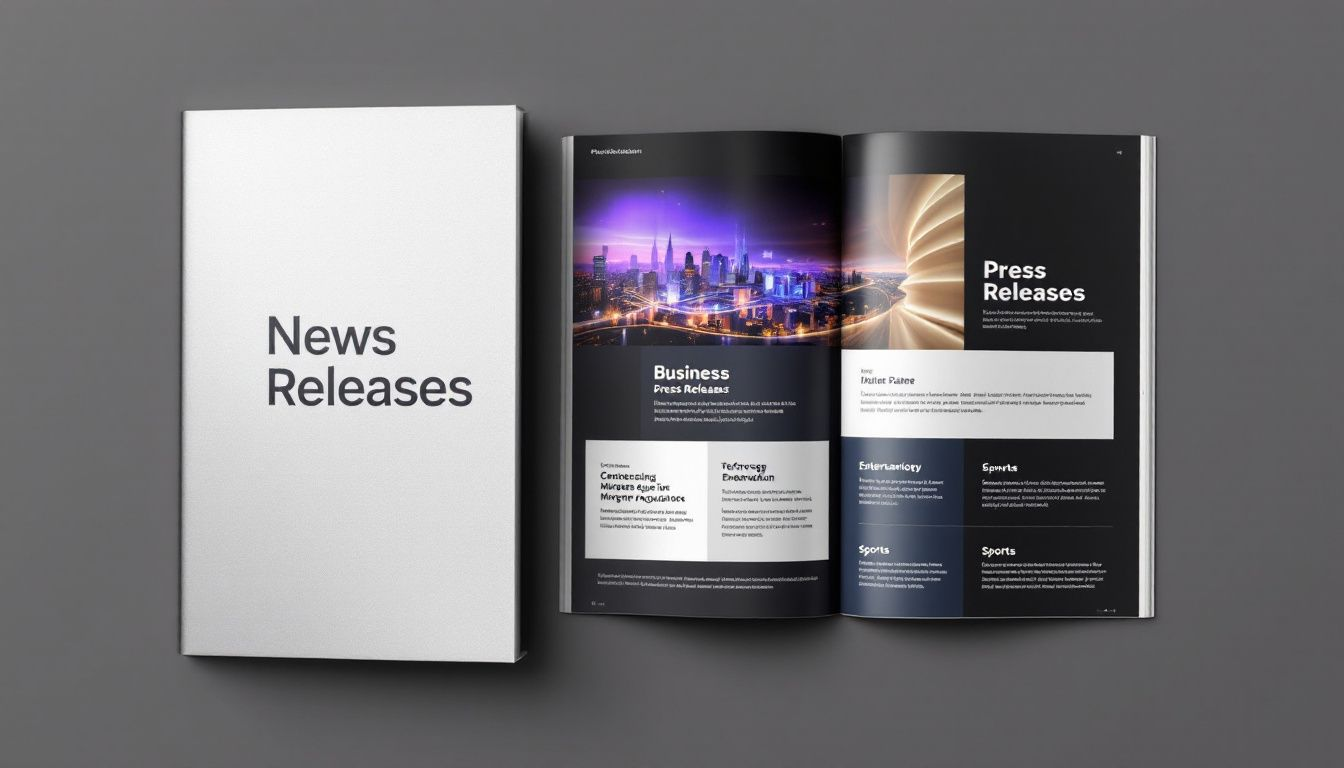
Press releases vary in forms, each tailored to specific news types. Product launch press releases highlight new or improved products, emphasizing competitive advantages. Event press releases inform media and potential attendees about upcoming company events, detailing themes and speakers.
Merger and acquisition press releases inform stakeholders about corporate changes and outline expected benefits. Charity press releases raise awareness for causes and encourage public participation in fundraising or campaigns. Each type has a unique focus and structure, but all aim to inform and engage the target audience.
How Press Releases Work
A press release primarily alerts journalists to potential news story. Press releases can reach various digital media outlets, including news media, newsrooms, subscribers, journalists, influencers, websites, and digital platforms.
Several factors can customize press releases. These factors include investor relations, company news, and disclosure requirements. Distribution methods vary; they can be self-distributed to local newspapers or through services like newswires to enhance their reach. Embargoed press releases allow select media early access to information, enabling thorough reportage and strategic timing.
Traditionally, companies hire publicity agencies to write and distribute press releases to newswires. This method ensures wide and professional distribution, increasing chances of media coverage.
Benefits of Using Press Releases

A well-crafted press release efficiently shares official updates with journalists and facilitates media coverage. Press releases can enhance a company’s brand identity and promote awareness among target audiences. They are particularly effective for conveying significant events or announcements to the public through the media. A well-written press release can be considered a cost-effective marketing tool to gain media attention.
Press releases announce achievements and recognition, reinforcing a company’s credibility and expertise. They are crucial in crisis communications, addressing urgent issues and explaining the company’s response to mitigate concerns. Though not guaranteeing media interest, well-written and newsworthy press releases play a key role in PR strategy and can spark media buzz. High-resolution images, videos, or infographics can make a press release more appealing and shareable.
Additionally, press releases increase exposure, build trust, and boost website traffic by generating positive coverage and mitigating negative press.
Press Releases vs. Other Media Communications
Press releases are compared with other media communications like media alerts, press statements, and press conferences. Each serves a unique purpose and offers distinct advantages. Press releases provide deeper context than other types of communications, such as social media or blog posts.
Recognizing these differences aids in choosing the most effective communication tool for a situation.
Press Release vs. Media Alert
Press releases and media alerts have different purposes. A press release delivers a complete news story to the media, whereas a media alert primarily invites journalists to events. Media alerts are concise, offering just enough information to garner interest and attendance.
Press releases provide a comprehensive overview of news releases, including quotes and detailed information. This makes them ideal for delivering thorough stories.
Press Release vs. Press Statement
Press statements are issued in reaction to specific events or inquiries, providing a direct and succinct response. Unlike press releases that deliver comprehensive news, press statements are brief and issue-focused.
Press Release vs. Press Conference
The main difference between press releases and press conferences lies in their communication style. Press releases are typically one-way communications, distributing news without immediate feedback. Press releases are designed to deliver a specific narrative, while press conferences offer a platform for discussion and immediate response.
Press conferences, however, allow direct interaction with the media, providing real-time engagement and opportunities for journalists to ask questions and seek clarifications. This dynamic environment makes press conferences ideal for significant announcements needing immediate media attention.
Press Release Writing Tips
Before writing a press release, consider the following steps:
Determine whether the information is newsworthy.
Begin with a strong opening sentence.
Write a concise lead paragraph summarizing the newsworthy angle to maintain reader interest.
After: NOT_FEASIBLE
Credible quotes from executives enhance the reliability of the press release and provide essential context. Multimedia elements like images and videos make press releases more engaging and shareable.
Distribution Strategies for Press Releases
Strategic distribution maximizes the visibility and impact of a press release. Common distribution methods are newswires and direct pitches to journalists. Professional services like PR Newswire and Business Wire can significantly broaden a press release’s reach.
Press releases adapt to various audiences, such as industry publications and social media platforms. Using media lists enhances outreach by personalizing communications with relevant journalists and editors.
Common Mistakes to Avoid
Poor formatting is a common error in press releases, hindering readability in a fast-paced media environment. Too many links can disrupt the information flow and reduce effectiveness.
Improperly targeting the audience can lead to decreased engagement and relevance. Monitoring analytics like media coverage and engagement metrics helps refine future marketing strategy.
Real-World Example of a Press Release
Trend Micro’s Q2 2024 earnings release exemplifies a well-crafted press release. It highlighted key financial metrics, such as a year-over-year increase of 16% in enterprise net sales.
The earnings release included a narrative on financial performance, indicating whether the company’s goals were met.
Summary
In conclusion, press releases are indispensable tools for corporate communication. They help in sharing important news, enhancing brand identity, and managing crises effectively. By understanding the key elements and types of press releases, and following best practices in writing and distribution, companies can maximize their media coverage and public relations efforts.
Press releases are more than just announcements; they are strategic tools that can shape public perception and drive business success. Take these insights and apply them to your next press release to see the impact for yourself.
Curious to learn more about how Salient PR can elevate your public relations? Visit our website to explore our services and success stories.
Frequently Asked Questions
What is the main purpose of a press release?
The main purpose of a press release is to effectively communicate an organization's news and capture the attention of the target audience. This helps in disseminating important information to the public and media.
What are the key elements of a good press release?
A good press release must include a headline, dateline, an engaging introduction, a detailed body, a boilerplate about the company, and clear contact information. These elements ensure clarity and provide essential information for the media.
How do press releases differ from media alerts?
Press releases provide detailed information on a news story, while media alerts are brief invitations for journalists to cover specific events. Thus, they serve different purposes in media communication.
What are common mistakes to avoid in press release writing?
To ensure effectiveness, avoid poor formatting, excessive links, lack of news value, and targeting the wrong audience. These mistakes can undermine the impact of your press release.
How can press releases benefit a company?
Press releases significantly enhance brand identity and generate valuable media coverage, which builds trust with the audience. Additionally, they are an effective tool for managing crises and maintaining a company's reputation.