
How Write Press Release: Top Tips and Best Practices
Wondering how to write press release? Writing a press release is an essential skill for effective communication with the media. This article is a step by step guide that will show you the key steps: crafting headlines, structuring your message, and getting it distributed effectively.
Key Takeaways
A press release is a formal communication tool used by companies to share news and announcements with the media, designed to enhance visibility and audience engagement.
Key components of an effective press release include a compelling headline, a strong lead paragraph answering the who, what, when, where, and why, and a boilerplate section providing a concise company description.
Most press releases follow a standard format, which increases the likelihood of media coverage.
A company's first press release is a significant milestone and sets the tone for future communications.
Strategic distribution strategies, such as using press release distribution services, building media contacts, and optimizing timing, are essential for maximizing reach and ensuring the press release captures media attention.
Understanding Press Releases
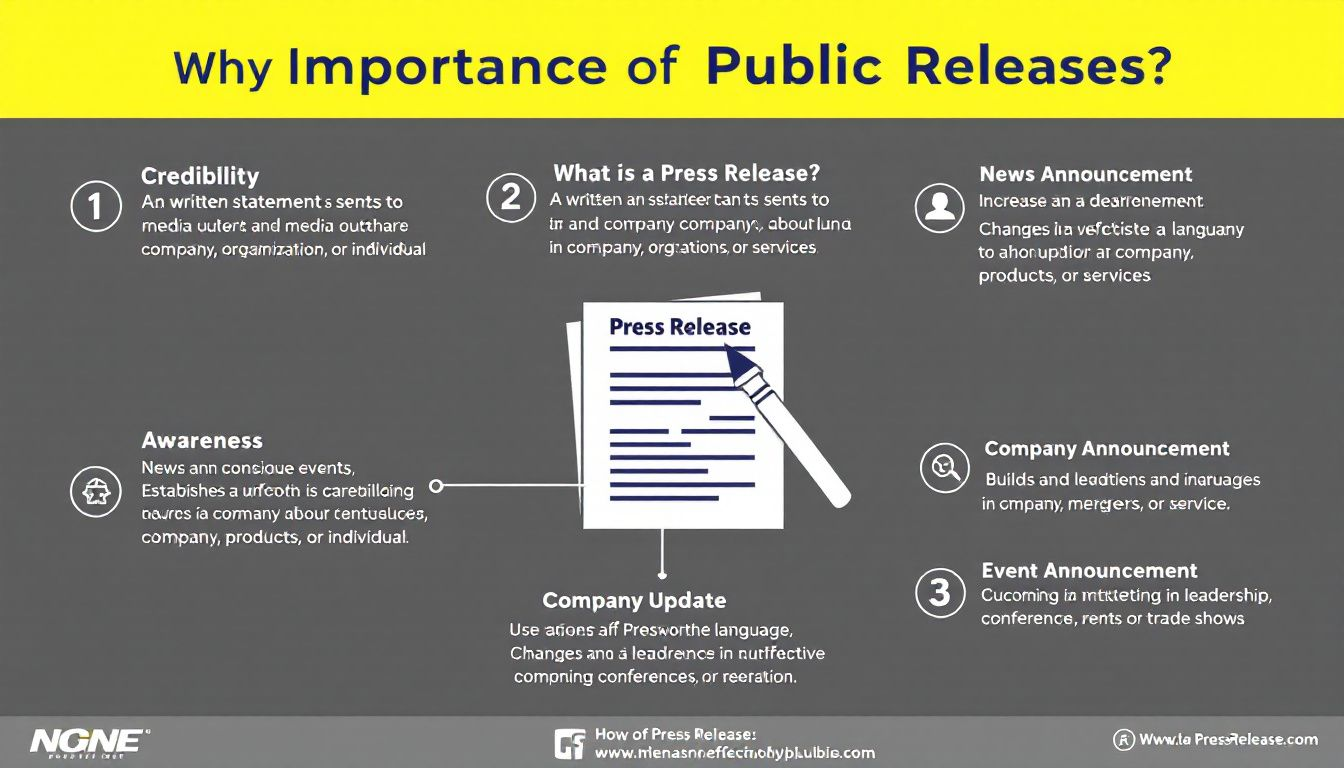
A press release serves as a strategic tool for companies to share significant updates and announcements with the public and media outlets. It functions as a formal statement distributed to catch media attention and provide valuable business advantages, often supported by a press release stand. A PR consultant can provide expert advice on crafting and distributing press releases to ensure messaging is clear, concise, and relevant.
Press releases announce noteworthy events or information about a company, aiming to increase press coverage and audience reach. A well-crafted one includes clear content, relevant quotes, and contact details to assist journalist inquiries, making it an essential tool for gaining media attention. A professionally written press release can be released directly to news outlets for maximum impact.
Essential Components of a Press Release
Understanding the standard press release format is crucial. It typically consists of a headline, dateline, introduction, body, boilerplate, release date, and contact information. Maintaining this structure makes your standard press release easy to comprehend and increases coverage chances.
Most press releases follow a specific format to ensure consistency and professionalism.
The headline must be bold and attention-grabbing, clearly conveying the topic and its importance. The headline should also include the headline date to provide context for journalists. Crafting an effective press release title is essential—it should immediately convey the main news or event to attract media and audience attention. The body contains detailed information and quotes from key figures, while the boilerplate provides a brief company description. Contact information should include the name, job title, email, and phone number of the responsible person for media inquiries.
A concise press release, typically between 200 to 500 words, enhances readability and effectiveness. Avoid multiple pages to maintain clarity and quick readability. The goal is to communicate your message clearly and efficiently, ensuring every word serves a purpose.
Steps to Write a Press Release
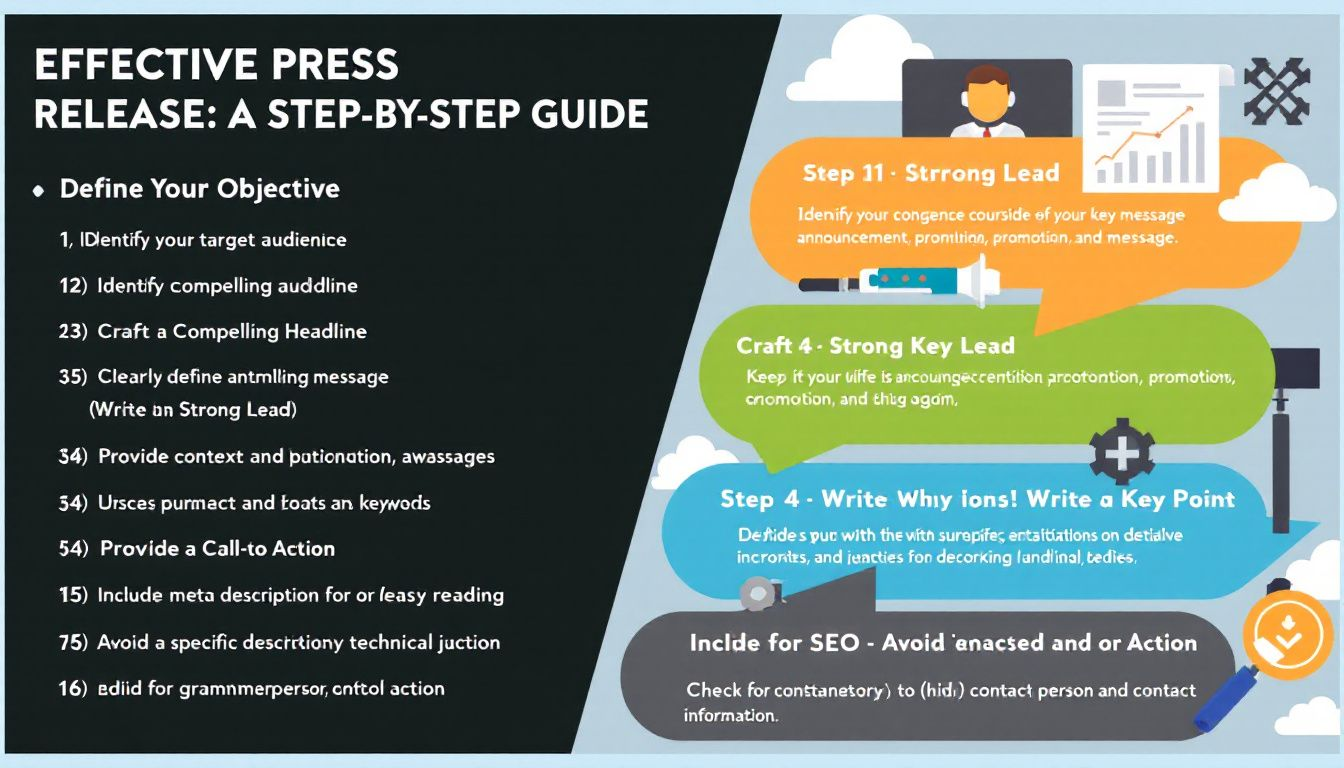
Writing a press release involves a structured approach to ensure clarity and engagement. From identifying your target audience to crafting an attention-grabbing headline and writing a strong lead paragraph, each step plays a crucial role in creating an effective press release. While writing a press release sounds simple, it actually requires careful planning and execution to achieve the desired impact.
It is important to establish the main point early in the process to ensure your message is clear and compelling to readers and reporters.
Let’s break down these steps in detail.
Identifying Your Target Audience
Defining your target audience is the first step in writing a press release. Understanding their specific interests and needs helps tailor the press release to resonate with them. Technical jargon might alienate the general public but could be well-received by specialists. The language and content of your press release should also be adapted depending on whether you are targeting a local newspaper or a specialized news outlet, as each has a different audience and focus.
Determining the angle of your press release involves considering its value to your target audience and potential community impact. Effective distribution requires targeted messaging based on audience analysis and market trends, ensuring your news reaches the right people and garners attention.
Choosing the Right Angle
Selecting the right angle for your press release is one of the most important steps in ensuring your story stands out to media outlets and your target audience. A good press release starts with a newsworthy, relevant, and interesting angle that aligns with the interests of both the media and your intended readers. Consider what makes your story unique and why it matters now—this is what will capture the attention of journalists and editors looking for compelling content. Identify what makes your news story compelling and relevant to the media and their audience, focusing on new developments like product launches, partnerships, or significant company changes.
When crafting your press release, think about the format and preferences of the media outlets you’re targeting. Tailor your headline and essential information to fit their style and audience expectations. The angle you choose should also reflect positively on your company’s reputation, supporting your brand’s credibility and authority. By focusing on a clear, concise headline and structuring your press release around the most relevant details, you increase your chances of securing valuable media coverage and effectively reaching your target audience.
Crafting an Attention-Grabbing Headline
A compelling headline is crucial for drawing readers’ attention and influencing click-through rates. It should succinctly convey the essence of the press release, capturing immediate interest and encouraging further reading.
Including essential keywords in the headline improves search engine ranking and visibility. Engaging headlines with action words, bolded text, and bulleted information can significantly enhance reader engagement and media attention.
Applying search engine optimization techniques to your headlines, such as strategic keyword placement and relevance, can further boost your press release’s online visibility. Additionally, when emailing press releases to journalists, a compelling subject line is essential for increasing open rates and attracting media coverage.
Writing a Strong Lead Paragraph
The first paragraph of your press release should clearly include the location and main purpose of the announcement to provide essential context and capture journalists' interest.
The lead paragraph should succinctly answer the who, what, when, where, and why of the press release. The first sentence should establish the main news or angle, setting the tone for the rest of the release and flowing naturally from the dateline. The lead paragraph must highlight key information and only include information relevant to the target audience. Be sure to specify important dates in the lead paragraph to provide clear context for when actions or events will occur. This ensures the most newsworthy information is included at the beginning to avoid being overlooked.
Explaining why your audience should care is crucial for a successful press release. This paragraph sets the tone for the rest of the press release, providing a strong foundation for the supporting details that follow.
Developing the Body of the Press Release
The body of the press release contains the main information and often includes quotes from key figures related to the announcement. It’s important to provide detailed content while maintaining focus on the core message.
Quotes add credibility and detail, helping media contacts understand the story better. Including unique statistics and a clear call to action guides readers on the next steps they should take, making the press release more engaging and informative. Highlighting the company's achievements in the body can reinforce the message and showcase the company's strengths. Additionally, referencing awards or recognitions can enhance the company's reputation and position it as a credible industry leader.
Concluding with a Boilerplate
The boilerplate section provides a brief description of the company, serving as an ‘About Us’ statement. It should be concise and informative, summarizing the company’s background and including essential contact information.
Creating a Press Release Outline
Before you start writing, creating a press release outline is a smart way to organize your thoughts and ensure you include all the necessary elements. Following a standard press release format helps you present your story in a way that’s easy for journalists and media professionals to understand and use. Your outline should include a headline, dateline, lead paragraph, body, quotes, call to action, boilerplate, and contact information. Editing and proofreading are essential steps in writing a press release, ensuring clarity, accuracy, and professionalism in your final draft.
A well-structured outline keeps your press release concise—ideally between 300 to 500 words—and ensures you cover all relevant details and supporting information. This approach not only makes your press release more effective but also increases the likelihood of media coverage. By planning your release in advance, you can focus on delivering essential information that supports your story and resonates with your target audience, making your press release a valuable resource for both media and readers.
Types of Press Releases

Press releases come in various forms, each with specific formats and purposes. Understanding these types can help you tailor your press release to the announcement’s nature, ensuring that it resonates with your audience and achieves its intended impact.
Press releases are commonly used to announce a new business or promote an upcoming event, helping generate public interest and media coverage.
Product Launches
A product launch press release should focus on pricing, availability, specifications, and other useful information. Including a high-quality photo of the product and emphasizing its unique benefits compared to competitors can significantly engage readers.
Adding multimedia elements and a quote from a credible source enhances credibility and interest for journalists. Successful product press releases clearly convey product benefits and innovation, attracting media attention and potential customers.
Event Announcements
Event press releases should emphasize key details like date, location, and who will benefit from attending. Distributing them at least two weeks before the event ensures ample time for media coverage. Similarly, mergers and acquisitions press releases inform stakeholders about significant organizational changes, ensuring transparency and maintaining trust during transitions.
Sometimes, issuing multiple press releases is necessary when different geographical areas are affected differently by the announcement. This strategy helps reach a broader audience and maintain relevance.
Executive Promotions
Press releases for organizational changes, including executive promotions, aim to tell the organization’s story. These announcements are significant news for larger companies and can enhance the company’s reputation. Executive promotions press releases announce changes in leadership roles within a company, providing transparency and showcasing the company’s growth and strategic direction.
Including quotes from key players adds credibility and depth, making the press release more engaging for the audience.
Awards and Recognitions
Award press releases should highlight details of the award, its significance, and the company’s expertise. Using keywords and superlative adjectives in the headline captures attention and enhances brand recognition.
Incorporating storytelling elements emotionally connects with the audience, highlighting the impact and creating buzz for funding and promoting the company’s credibility.
Common Mistakes to Avoid
Even the most experienced writers can fall into common pitfalls when crafting press releases. Avoiding these mistakes can significantly improve the quality and effectiveness of your press release.
Overly Promotional Language
Overly promotional language can detract from the press release’s intent to inform. Maintaining a neutral tone ensures that the press release is perceived as legitimate news rather than mere marketing material.
Focus on providing factual information instead of hyperbolic adjectives to effectively communicate your message.
Lack of Newsworthiness
A newsworthy angle is crucial to avoid your press release being ignored. Stories are newsworthy if they are new, interesting, and relevant to the public. Gauge the newsworthiness of your press release by observing the coverage other businesses receive.
Timely events and new partnerships are examples of newsworthy stories.
Poor Formatting
Clear and concise formatting, such as using bullet points and avoiding long paragraphs, enhances readability for journalists. Prioritize relevant information and avoid unnecessary jargon to keep the press release concise and to the point.
Press release headlines should avoid all capital letters and exclamation points to ensure professionalism. Ending the press release properly with ‘Ends’ or the symbol ‘###’ followed by contact details is essential for effective communication.
Distribution Strategies
Strategic distribution is key to getting your press release in front of the right audience. Using distribution services, building media contacts, and timing your release correctly all play crucial roles in maximizing its impact.
Targeting relevant news outlets is essential for maximizing coverage and increasing the chances of your press release being picked up by the media.
Organizations can also choose to release directly to journalists or media outlets for more personalized outreach and improved engagement.
Using Press Release Distribution Services
Distribution services like PR Newswire provide access to a vast, trusted network reaching media outlets in over 170 countries, greatly enhancing press release visibility. These services send releases to journalists based on their interests, ensuring targeted outreach.
Costs for such services can range from $69 to a few thousand dollars, depending on the service and reach desired. Using AI-suggested keywords can help tailor your distributions to relevant journalists effectively.
Building Media Contacts
Creating a list of media outlets with an audience interested in your news is essential. Sharing press releases on media outlet social media platforms increases visibility and encourages audience engagement.
Politely asking for a link if a journalist covers your story but doesn’t include one to your website can help drive traffic and improve your press release’s impact.
Timing Your Press Release
The optimal timing for sending a press release is a few days before the event or announcement. This ensures your news is fresh and relevant, maximizing media attention and coverage.
With an average open rate of just over 35% for media-related emails, timing your press release correctly can significantly affect its visibility and effectiveness.
Press Release Examples
Reviewing successful press releases increases the likelihood that your effective press releases will be noticed, especially those with immediate release. Additionally, if you want to learn how to write press releases, studying examples can be beneficial.
Reviewing press release examples is especially helpful for small business owners looking to gain media coverage and boost their business's visibility.
Let’s explore some exemplary press releases from various industries to understand what makes them effective.
Example 1: Tech Industry
A successful tech industry press release includes a clear headline, a captivating lead, and relevant details about the product or technology. Quotes and testimonials from key stakeholders or experts lend credibility to the information presented.
A structured format, including sections for background information and technical specifications, helps journalists grasp the essentials. Crafting a compelling message involves tailoring content to resonate with the target audience, emphasizing unique features and benefits of the technology.
Example 2: Fashion Industry
The style of a fashion press release should align with the brand’s aesthetic, using visually appealing language that reflects the latest collections. Key elements include details about the collection launch, designer insights, and collaborations that enhance the narrative.
Emphasizing current trends in the fashion industry, such as sustainability and inclusivity, helps resonate with the target audience.
Example 3: Non-Profit Sector
Storytelling engages readers, making the non-profit’s mission resonate personally. Utilize narratives of individuals or groups that have benefited from the non-profit, illustrating the change brought by their efforts.
Highlighting impact demonstrates the effectiveness of the non-profit’s initiatives and can attract more supporters and donations. Use concrete statistics and personal success stories to showcase the tangible benefits created by the non-profit.
Free Press Release Templates
Press release templates can speed up the writing process, allowing for more efficient communication. Templates help PR professionals save time and maintain consistency in their announcements.
Templates can be customized to fit various announcements, ensuring flexibility in communication. Free press release templates are available for different types of announcements, such as product launches, book launches, and new hires, helping you organize and present your story effectively.
SEO Best Practices for Press Releases
SEO practices enhance press release visibility, making it easier for your news to be found online. Implementing these can significantly boost the reach and effectiveness of your press releases.
Using Relevant Keywords
Using relevant keywords in your press release is crucial for increasing visibility, attracting media attention, and enhancing your SEO performance. Incorporating these keywords at the beginning of headlines and subheadings helps improve search engine ranking and visibility.
Incorporating backlinks in your press releases not only improves SEO but also drives additional traffic to your website, providing readers with more resources and information.
Optimizing Headlines and Subheadings
Effective subheadings should include relevant keywords and maintain a clear structure to support search engine crawling. The first 250 words of a press release should contain the key message to improve search engine understanding and keep reader interest.
Optimizing both headlines and key messages is essential for enhancing a press release’s performance in online visibility and search engines.
Including Backlinks
Incorporating backlinks in press releases can significantly boost brand authority and improve search engine rankings. Quality backlinks serve as indicators of credibility, which search engines prioritize for better visibility.
Including relevant links in a press release helps in building authority and improving search rankings. Providing contact information and links at the end of a press release can help facilitate further engagement and improve SEO.
Measuring Success
After your press release has been distributed, it’s important to measure its success to understand its impact and refine your public relations strategy. Start by tracking media coverage—how many media outlets picked up your story, and what kind of attention it received. Monitor media inquiries and the number of times your press release is shared on social media to gauge audience engagement.
Quantitative metrics like website traffic, leads generated, and sales resulting from the press release provide valuable insights into its effectiveness. Tools such as Google Analytics can help you track these results, while open rates, click-through rates, and conversion rates offer additional data on how your press release performed. By regularly measuring these outcomes, companies can adjust their approach, improve future press releases, and increase their chances of reaching their target audience and achieving their public relations goals.
Summary
Summing up, writing an effective press release involves understanding its essential components, crafting compelling headlines, and ensuring the content is newsworthy and well-formatted. Avoiding common mistakes and implementing SEO best practices can significantly enhance the visibility and impact of your press releases.
By mastering these skills, you can create press releases that capture media attention, engage your audience, and drive your business goals forward. Remember, a well-crafted press release is a powerful tool in your communication arsenal.
Curious to learn more about how Salient PR can elevate your public relations? Visit our website to explore our services and success stories.
Frequently Asked Questions
What is the main purpose of a press release?
The main purpose of a press release is to announce significant events or information about a company, effectively reaching the public and media to enhance visibility and coverage.
How can I ensure my press release is newsworthy?
To ensure your press release is newsworthy, concentrate on delivering new, interesting, and relevant information. Observing what stories get media coverage can also provide insight into what is deemed newsworthy.
What are the essential components of a press release?
A well-crafted press release includes a headline, dateline, introduction, body, boilerplate, release date, and contact information. These components ensure your message is clear and accessible to the media.
Why is it important to avoid overly promotional language in press releases?
It's crucial to avoid overly promotional language in press releases because it undermines the intent to inform, leading to a perception of insincerity among journalists and readers. This can diminish the credibility of the news being shared.
How can SEO best practices improve my press release's visibility?
Implementing SEO best practices like incorporating relevant keywords, optimizing headlines, and adding backlinks will significantly improve your press release's visibility and search engine rankings. These strategies ensure that your content reaches a broader audience effectively.