
What Is Public Relation Agency & How They Can Benefit Your Business
A public relations agency helps businesses and individuals manage their public image and build positive relationships with the public. They offer services like media relations, crisis management, and social media engagement to shape how the public perceives their clients. In this article, you’ll learn what is Public Relation Agency and how it can benefit your business.
Key Takeaways
Public relations agencies focus on managing and enhancing brand reputation through strategic communication, media relations, and crisis management, differentiating themselves from marketing firms that primarily emphasize driving sales.
Key services offered by PR agencies include reputation management, media relations, crisis communication, social media engagement, and comprehensive communication strategies tailored to specific business goals.
Hiring a PR agency provides businesses with specialized expertise, access to extensive resources, and improved public engagement, ultimately fostering stronger relationships and enhancing brand visibility.
Defining a Public Relations Agency

At its core, a public relations agency is a company that offers specialized services to manage the public image of clients, whether they are individuals, businesses, or organizations. The primary goal of these agencies is to shape public perception positively, ensuring that their clients stand out in a crowded market. This involves developing comprehensive communication strategies that align with the clients’ objectives and fostering positive relationships with the public and stakeholders.
Unlike publicity, which is often uncontrolled and can be both positive and negative, public relations is a controlled effort to manage a brand’s image proactively. PR agencies play a pivotal role in brand awareness and reputation management, making them an indispensable part of any business’s marketing and operational strategy.
Core Functions of a PR Agency
The core functions of a public relations agency are multifaceted, with reputation management being a primary focus. This involves not only monitoring and shaping a brand’s public image but also mitigating negative news. Effective reputation management requires close collaboration between PR professionals and business owners to ensure that communication strategies are aligned with the overall business goals.
Media relations is another crucial function of PR agencies. This includes crafting and delivering messages to the media, organizing press interactions, and monitoring media coverage to ensure that the brand is represented accurately.
Additionally, crisis management is a vital service provided by PR agencies, where they develop strategies to manage reputation during adverse situations and educate the public on health and safety matters. Crisis communications also involve developing rapid response plans to mitigate damage during negative events, ensuring that businesses can respond effectively and maintain public trust.
Difference Between PR Agencies and Marketing Firms
While both PR agencies and a pr firm aim to enhance a brand’s presence, their core objectives differ significantly. PR agencies focus on building and maintaining a brand’s reputation through strategic communication and media relations. In contrast, marketing firms are primarily driven by sales objectives, focusing on driving revenue through various promotional activities. Additionally, pr firms also play a crucial role in shaping public perception.
Understanding this distinction is crucial for businesses to leverage both functions effectively.
Key Services Provided by PR Agencies
Public relations agencies offer a wide range of services designed to manage public personas and shape brand images. These services include public relations management, public relations firms, media relations, public affairs, crisis management, social media engagement, event planning, content creation, and strategic messaging, all of which can be effectively handled by a public relations professional in a public relations society.
These services enable PR agencies to boost a business’s visibility, enhance its public image, and build trust with stakeholders.
In addition to traditional media relations and crisis management, PR agencies also provide digital marketing campaigns that nurture brand identity beyond standard press releases. These campaigns play a significant role in disseminating information and engaging with audiences, ultimately boosting a company’s online presence.
Media Relations and Press Releases
Media relations is a cornerstone of public relations, focusing on securing media coverage and managing press interactions. PR agencies draft press releases and pitch stories to journalists, aiming to generate positive press coverage that raises awareness and builds credibility. Press releases are carefully crafted written statements that provide information about events, product launches, or other newsworthy developments, making them an essential tool for disseminating information.
A good public relations agency understands how to distribute and promote these press releases effectively, utilizing earned media placements, paid advertising, and social media channels. The ultimate goal of media relations is to generate positive coverage that enhances the brand’s public image and credibility.
Crisis Management and Communication Plans
Crisis management is an essential service provided by PR agencies, designed to prepare businesses for potential emergencies. PR agencies develop comprehensive crisis communication plans that outline strategies to mitigate damage to a brand’s reputation during adverse situations. A good PR agency will work with its clients to help them avoid crises in the first place by developing comprehensive communication plans that address potential risks proactively. Crisis management is often about more than just damage control; it is also about prevention, ensuring long-term stability and trust.
A good PR agency is always ready to act during a crisis, utilizing resources and strategies to protect the client’s interests. A well-prepared crisis communication plan allows businesses to handle challenging situations more effectively, preserving their reputation and maintaining public trust.
Social Media Engagement
In today’s digital age, social media engagement is vital for maintaining a positive brand image. PR agencies help businesses create and execute comprehensive social media strategies that enhance their online presence and engage with their target audience. These strategies involve monitoring online conversations, responding to negative sentiments, and promoting the brand through relevant, interesting, and engaging content.
A strong social media presence not only builds relationships with customers but also increases reach and visibility. PR agencies play a crucial role in crafting compelling messages that resonate with the audience, ensuring that the brand is perceived positively across various social media platforms.
The Strategic Communication Process
The strategic communication process is a critical aspect of effective public relations. PR agencies create communication plans that are aligned with business goals, ensuring that the right message is delivered to the appropriate audience using the best channels and timing. This process involves a deep understanding of the target audience and the development of tailored strategies for different demographics.
PR agencies also provide valuable advice on getting your message out and creating a social media strategy that complements overall communication efforts. With a wide network of industry contacts, PR agencies can enhance a business’s outreach and ensure that their messages reach the intended audience effectively.
Market Research and Public Opinion Analysis
Market research and public opinion analysis are foundational elements of PR agency work. Through thorough research, PR agencies gain insights into their clients’ target audience, helping them create impactful campaigns. Analyzing public opinion is crucial for tailoring messages that resonate with target demographics, ensuring effective communication.
Sentiment analysis, a key component of public opinion analysis, gauges public perception of brands and influences how PR strategies are developed and adjusted. With an unbiased perspective, PR agencies can offer innovative ideas that might not be recognized by internal teams, ultimately enhancing the success of PR campaigns.
Crafting Compelling Messages
Crafting compelling messages is an art that requires collaboration and creativity. PR agencies engage in a brainstorming process to define relevant themes and delivery methods, ensuring that messages are impactful and resonate with the audience. This process is informed by market research, which provides insights into the needs and preferences of the target audience.
PR agencies also provide training on how to deliver these messages effectively to the media, ensuring that the communication is clear, concise, and engaging. Crafting compelling messages enables PR agencies to help businesses connect with their audience and achieve their communication goals through sustained effort and strategic planning. Additionally, PR professionals assist in speech writing and internal communications for their clients, ensuring that messaging is consistent and aligns with the overall brand strategy.
Benefits of Hiring a PR Agency
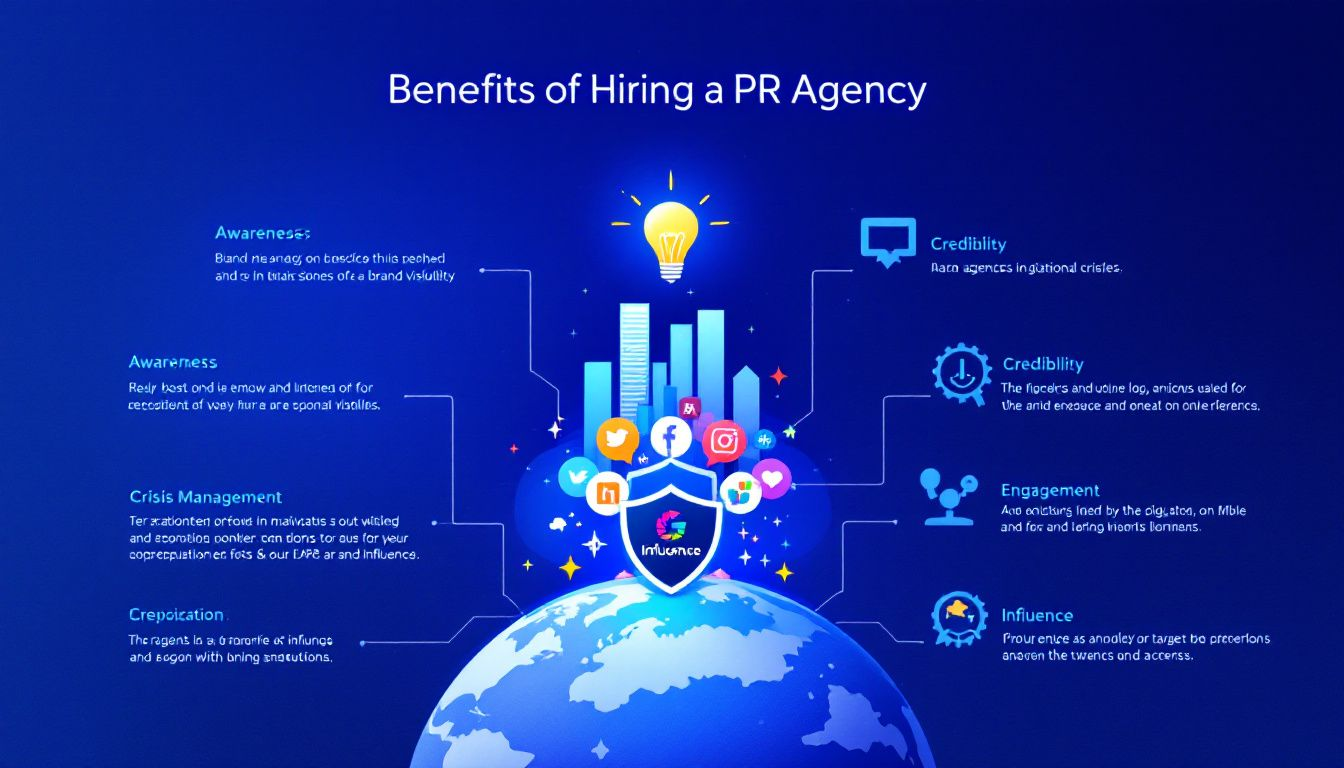
Hiring a public relations agency offers numerous benefits, from managing brand reputation to providing specialized expertise that elevates business performance. PR agencies help maintain positive relationships between businesses and their audience, ensuring effective communication and trust. A well-developed PR strategy can lead to excellent outcomes, boosting visibility and engagement for clients.
For startups, PR agencies are especially vital in attracting investors by leveraging their networks and expertise. Understanding specific business goals is essential for a PR agency to demonstrate the value of their work and justify investments. With their extensive knowledge and resources, PR agencies can significantly enhance a brand’s public image and reputation.
Access to Expertise and Resources
PR agencies bring a wealth of expertise and resources to the table, which are crucial for effective public relations. They provide media training to ensure clients handle questions effectively, especially in the age of social media and 24-hour news cycles. This training includes preparation for dealing with the media, role-playing, and advice on communication. Additionally, PR agencies often work with executives and managers to plan, execute, and evaluate media campaigns, ensuring alignment with business goals and maximizing impact. In-house teams, on the other hand, can achieve a high level of PR excellence with modern PR tools, enabling them to manage campaigns effectively and stay competitive.
Additionally, PR agencies possess extensive knowledge of effective communication strategies tailored for various audiences. Asking potential PR agencies about their strategies for achieving PR goals helps businesses gauge their expertise and make informed decisions.
Access to specialized talent and resources is a key advantage of hiring a PR agency over in-house PR.
Enhancing Brand Reputation
Enhancing brand reputation is a critical function of PR agencies. They manage a company’s reputation by anticipating, analyzing, and interpreting public opinion. This involves dealing with negative press by promoting positive news and minimizing adverse coverage. PR agencies create a positive brand image by strategically implementing and executing PR campaigns that enhance credibility and trust. Earned media, which provides third-party validation, is a key component of these efforts and is often viewed more favorably than traditional advertisements.
For example, the PR efforts for the Eating Recovery Center led to enhanced awareness of mental health issues related to eating disorders. Maintaining positive relationships with target customers helps PR agencies foster trust in the brand and ensure effective communication with the audience.
Building Mutually Beneficial Relationships
Building mutually beneficial relationships is a cornerstone of effective public relations. PR agencies facilitate connections with media, influencers, and customers, ensuring that the brand’s message is amplified and reaches a wider audience. Stakeholder engagement involves managing relationships with various groups, including investors and community members, which is crucial for fostering trust and mutual understanding between the brand and its stakeholders.
Creating positive relationships with journalists and influencers allows PR agencies to foster a favorable environment for the brand’s public image. This not only enhances the brand’s reputation but also contributes to achieving business goals through effective communication and engagement.
Choosing the Right PR Agency
Choosing the right PR agency is a critical decision that can significantly impact your brand’s public image. Businesses should hire a PR agency before they actually need one, ensuring preparedness for any PR needs. Onboarding a new PR team takes time, as resources need to be shared and internal teams must be looped in. Therefore, it’s essential to start the process early and be thorough in your evaluation.
In 2021 and 2022, about 60% of businesses outsourced their digital PR activities, indicating a significant trend towards professional PR services and the need for a pr professional. This highlights the importance of selecting a PR agency that aligns with your business goals and can effectively manage your public relations needs.
Assessing Your Business Needs
Assessing your business needs is the first step in selecting the right PR agency. Establishing what you need in a PR agency and how public relations can support your goals is essential. Clearly defined PR needs provide a framework for selecting the most suitable PR agency, ensuring that the chosen agency can align its strategies with your business objectives.
This alignment ensures a more effective and streamlined approach to communication, ultimately enhancing the success of PR efforts.
Evaluating PR Agencies
When evaluating PR agencies, it’s essential to consider their experience, expertise, and past performance. Assessing the agency’s reputation through client testimonials and past performance can provide valuable insights into their capabilities. Understanding their communication style and responsiveness is also crucial, as effective communication is key to a successful PR partnership.
During initial communications with potential PR agencies, be prepared to ask about their qualifications and strategies for achieving your PR goals. This will help you determine if they are the right fit for your business.
A good public relations agency will have a proven track record and the ability to demonstrate their value through successful campaigns and satisfied clients.
In-House PR vs. Hiring a PR Agency
Deciding between managing PR in-house and hiring a PR agency involves weighing several factors. In-house teams provide a deeper understanding of the brand and can offer more immediate updates and responses. They are intimately familiar with the company and its audience, which can lead to more precise messaging and fewer mistakes. However, managing PR in-house can divert time and attention from core business functions.
On the other hand, hiring a PR agency allows businesses to focus on their core operations while leveraging the specialized expertise and extensive networks that agencies offer. PR agencies are often more in touch with trends and the media landscape than in-house teams, enabling them to craft innovative strategies and stay ahead in a competitive market.
Both options have unique advantages, and businesses should evaluate their core competencies and specific needs when making this decision.
Cost Considerations
Cost considerations are a significant factor when deciding between in-house PR and hiring a PR agency. Companies may find that a small in-house team can offer similar PR services at a lower cost than a PR agency. However, the financial commitment for hiring a PR agency can vary significantly based on the nature of services and project complexity.
Considering the financial implications of both options is essential for making an informed decision.
Access to Talent and Resources
Access to talent and resources is another critical consideration. In-house PR teams often facilitate easier communication with internal teams, enabling alignment with organizational goals. They can move projects forward faster and more efficiently, contributing to project success. In-house PR teams also have a deeper understanding of their own business and industry compared to external agencies, which can lead to more tailored and precise messaging.
In contrast, PR agencies leverage extensive networks to foster beneficial relationships with media professionals, enhancing PR outreach. Agency staff typically specialize in one area, allowing for a depth of expertise not always available internally. PR agencies also typically have a wider range of specialized talent compared to in-house teams, enabling them to address diverse client needs effectively.
Utilizing media monitoring software helps track brand mentions across various channels, providing insights into PR effectiveness. Tools like Meltwater assist in tracking essential metrics, offering data-driven insights into campaign performance.
Measuring PR Success
Measuring PR success is essential to understanding the impact of PR strategies and ensuring accountability. The research process in PR consists of several stages. These include pre-campaign, campaign-specific, and post-campaign evaluation. Tracking key metrics such as media coverage and website traffic is important. Additionally, social media engagement should also be monitored. Evaluating these metrics helps demonstrate the effectiveness of PR efforts and provides insights for future campaigns.
Effective measurement allows PR agencies to showcase their value and justify the investment made by clients. By interpreting the results, PR professionals can tweak campaigns, enhance messaging, and develop more effective strategies in the future.
Key Performance Indicators (KPIs)
Key Performance Indicators (KPIs) are crucial for measuring the effectiveness of PR strategies against defined business goals. Media coverage, social media engagement, and website traffic are essential indicators that help assess the success of PR campaigns. Active media coverage and potential reach are also important KPIs that provide insights into the volume and visibility of PR efforts.
Before:
Understanding these KPIs allows PR teams to align their strategies with overall business objectives. Important KPIs for public relations include brand mentions, sentiment analysis, engagement rates, and share of voice. By tracking these indicators, PR teams can improve campaign effectiveness and ensure that PR efforts contribute to achieving business goals.
After:
Important KPIs for public relations include:
Brand mentions
Sentiment analysis
Engagement rates
Share of voice
By tracking these indicators, PR teams can improve PR campaign effectiveness and ensure that PR efforts contribute to achieving business goals.
Tools and Techniques for Measurement
Effective tools and techniques for measuring PR outcomes are essential for understanding the impact of PR strategies on business success and brand perception.
Here are some effective tools and techniques:
Media monitoring services track coverage across various channels, providing valuable insights into audience engagement and campaign performance.
Analytics platforms offer data-driven insights on different metrics.
Surveys and feedback mechanisms gather qualitative data on audience perceptions.
Interpreting these results enables PR professionals to refine their strategies and enhance messaging. This continuous improvement process ensures that PR campaigns remain effective and aligned with business goals, ultimately contributing to brand success.
Summary
Public relations agencies play a crucial role in managing brand reputation, enhancing visibility, and building positive relationships with stakeholders. From defining core functions and key services to understanding the strategic communication process and measuring PR success, this blog post has provided a comprehensive overview of how PR agencies can benefit your business.
Choosing the right PR agency and weighing the pros and cons of in-house PR versus hiring an agency are essential steps in leveraging public relations effectively. With the right strategies and tools, PR agencies can significantly enhance your brand’s public image and contribute to achieving your business goals. Consider hiring a PR agency to navigate the complex world of public relations and ensure your brand stands out in today’s competitive market.
Curious to learn more about how Salient PR can elevate your public relations? Visit our website to explore our services and success stories.
Frequently Asked Questions
What is the job description of a public relations agent?
A public relations agent develops strategies to influence public opinion, promotes the organization’s products and services, and manages its image and identity. Their key role involves analyzing objectives and needs to effectively communicate with the public.
What is a public relations agency?
A public relations agency manages the public image and perception of clients, which can include individuals, businesses, and organizations. These agencies help shape and maintain a positive reputation through strategic communication and engagement. Public relations professionals typically work for PR and marketing firms, businesses, and nonprofit organizations, offering their expertise to a wide range of clients.
How do PR agencies differ from marketing firms?
PR agencies prioritize brand reputation through strategic communication and media relations, whereas marketing firms concentrate on driving sales and revenue. This distinction highlights the differing core objectives of each type of agency.
What are the key services provided by PR agencies?
PR agencies primarily offer media relations, crisis management, social media engagement, and digital marketing campaigns to boost brand visibility and reputation. These services are essential for effective communication and brand positioning in today's market.
Why is measuring PR success important?
Measuring PR success is essential for assessing the effectiveness of your strategies, ensuring accountability, and guiding future campaigns to better align with business objectives. This practice allows for continuous improvement and maximizes the return on your PR efforts.