
Press Release 101: Expert Tips for Crafting the Perfect PR Message
New to press releases? This ‘Press Release 101’ guide covers the essential components, tips, and strategies you need to write and distribute effective press releases that capture media attention and enhance your brand visibility.
Key Takeaways
Press releases are vital communication tools that help companies announce newsworthy information and enhance their visibility with media and audiences.
Key components of an effective press release include a strong headline, a concise lead paragraph, and a logically structured body that includes relevant details, quotes, and multimedia elements.
To maximize the impact of a press release, careful distribution and personalized outreach to journalists is essential, along with ongoing measurement of its success to refine future strategies.
What is a Press Release?
A press release is a communication tool used to announce newsworthy information to the media. Its primary purpose is to expand reach and connect with a broader audience, making it an essential part of any public relations strategy. A press release is an official announcement issued by a company using a specific format. Sending out press releases ensures that companies’ news reaches relevant media outlets, offering a platform for broader dissemination. Press releases are used by businesses, organizations, and public figures to communicate with the public. They can also be issued by small and medium-sized businesses, entrepreneurs, and everyday people.
Press releases play a crucial role in shaping public perception of a company or cause. They are valuable resources for journalists seeking newsworthy content, helping to foster connections with the media and enhancing the visibility of a brand. However, it’s important to ensure that the content is genuinely newsworthy, as to send press releases with little news value can damage an organization’s credibility. A press release should focus on providing valuable information, not promoting sales. Companies often need to write press releases to effectively communicate their messages.
Adhering to the proper format is key to increasing the likelihood of coverage by journalists. A well-structured great press release not only makes it easier for media contacts to understand and report on your news but also enhances the overall impact of your official statement. Press releases should be concise, sticking to one page with short paragraphs. A press release should be concise, focused, and well-written, typically spanning one to two pages. The acceptable length of a news release is 300 to 500 words, providing clear and easily understood details.
Key Components of a Press Release
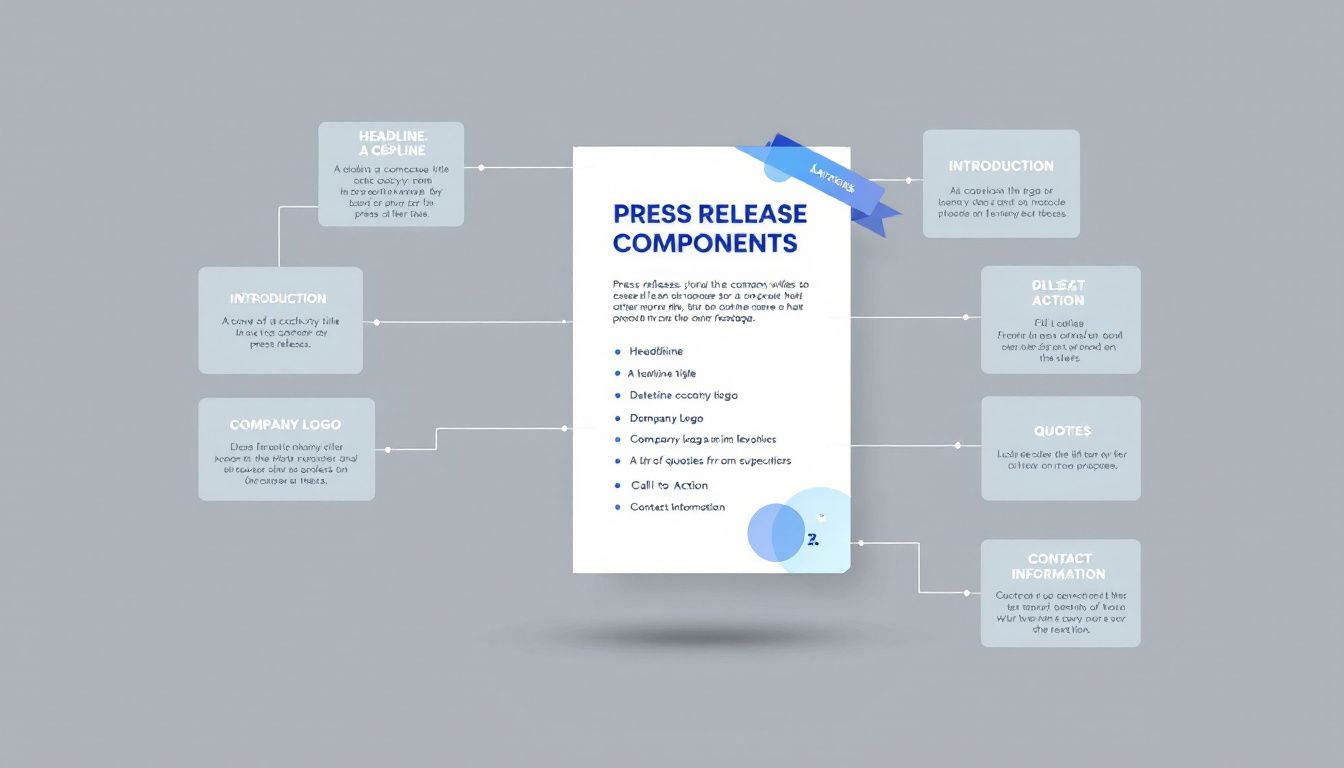
A press release includes several key components vital for effective communication. Familiarizing yourself with these elements can help create a news release that captures attention and conveys your message clearly. A press release typically spans only one to two pages, providing clear and easily understood details.
The essential elements of a press release are the headline, dateline, lead paragraph, body paragraphs, boilerplate, and contact information. The dateline provides the location and date when the press release is issued, setting the context for the story. Each of these components serves a specific purpose and contributes to the overall effectiveness of the release.
Delivering information succinctly and ensuring each part works harmoniously helps create a press release that interests both media contacts and your target audience. This structured approach helps in presenting your news in a compelling and organized manner, increasing the chances of media coverage.
Crafting an Attention-Grabbing Headline
The headline of your press release is your first chance to grab the reader’s attention. A strong headline should succinctly convey the main topic of the news and summarize the key points in a direct and specific manner. It should be clear, compelling, and concise to ensure that it stands out in a crowded inbox. A compelling headline is crucial as it is the first impression made on a journalist.
Creating a compelling headline often requires significant effort, sometimes consuming about half of the total editing time for a press release. Avoid using vague or promotional language, as clarity and directness are crucial for an effective headline. A weak or unengaging headline can significantly diminish the overall impact of your press release.
Focus on the most newsworthy aspects of your official announcement and use strong, active language to create a headline that hooks the reader. Remember, the goal is to prevent the reader from scrolling past and to entice them to read further.
Writing an Effective Lead Paragraph
The lead paragraph of your press release is crucial for setting the tone and providing the most important information right at the start. It should summarize the who, what, when, where, why, and how of your story. Leads are generally concise, ideally between 25 to 30 words, and rarely exceed 40 words. Including the five Ws ensures that the lead grabs attention and establishes relevance immediately.
Avoid using flowery language or unnecessary phrases in the lead paragraph to maintain clarity and precision. Instead, focus on the most relevant details of the story, utilizing active voice and strong verbs to enhance the liveliness of the text. A well-crafted lead provides the most significant details in a clear and engaging way, ensuring that the reader understands the essence of the news immediately.
Different types of leads, such as summary leads, anecdotal leads, and question leads, can serve various storytelling purposes. Choosing the right type of lead can help make your press release more engaging and relevant to your audience.
Developing the Body of Your Press Release
The body of your press release is where you delve deeper into the details of your announcement. This section should provide additional context, elaborating on the lead paragraph with relevant information, quotes, and statistics. Structuring the story logically and focusing on single ideas within each paragraph maintains a clear and engaging narrative.
Including data and statistics in the body enhances the reliability of the information presented, making your press release more credible. Supporting data, such as statistics or research findings, should back up claims made in the press release. Engaging storytelling techniques can also help humanize the press release, making it more relatable to the audience. Adding quotes from key figures can make the article feel like the result of an interview, adding sparkle and spontaneity to the text.
Fact-based content increases credibility and builds trust with your readers. Focusing on relevant and newsworthy content ensures that your press release holds the reader’s interest and effectively communicates your message.
Incorporating Quotes and Multimedia
Incorporating quotes and multimedia elements into your press release can significantly enhance its appeal and effectiveness. Utilizing quotes from industry experts or key stakeholders adds a personal touch and bolsters the credibility of the release. Quotes should be concise, ideally one to two sentences long, and should reflect the speaker’s authentic voice.
Effective quotes engage readers by addressing their concerns and highlighting the impact of the news. Including quotes from a variety of stakeholders can further enhance the credibility of the press release and provide different perspectives on the announcement.
Multimedia elements like videos and infographics can significantly enhance the storytelling aspect of a press release. Creative language and imagery in quotes can capture audience interest and convey emotions, making the release more engaging.
Boilerplate and Contact Information
The boilerplate of a press release is a brief description of the company or organization, typically included at the end of the document. A well-structured boilerplate serves as a brief introduction to the company, enhancing brand visibility and recognition. Including a boilerplate in a press release enhances its credibility and usefulness to journalists. It should be concise, typically around 100 words, providing a snapshot of the organization.
Crafting an effective boilerplate involves highlighting specific achievements or details relevant to each announcement, step by step. Keep the information consistent but update it as necessary to reflect the current status of the organization.
Contact information allows journalists to easily reach out for further details or clarification. This section should include the name, phone number, and email of a person who can provide more information. Presenting contact information effectively helps maintain open lines of communication with media contacts.
Distributing Your Press Release
Distributing your press release effectively is crucial for maximizing its impact. The two main methods for distribution are direct email and press release distribution service. Using only a single distribution channel can limit the reach of your press release. Using a newswire service can extend the reach of your press release to a broader audience, including journalists and influencers. You can also distribute press releases by sharing them on social media, which can further amplify their reach.
Personalized outreach to a select group of journalists is often more effective than sending mass emails to a large list. A strategic approach to emailing a press release includes writing a persuasive pitch, personalizing interactions, and respecting time and deadlines. Timing is also critical, and rushing a press release can result in missed opportunities for greater impact. Sending press releases to newswires can be a cost-effective way to create awareness about your company and its products.
Utilizing online platforms and social media can increase the search engine visibility and engagement of your press release. Building strong relationships with media contacts can prevent your press release from ending up in spam folders.
Common Mistakes to Avoid
Common mistakes in writing a press release include using jargon, overhyping the news, and making formatting errors. These pitfalls can detract from the clarity and effectiveness of your message. To avoid these issues, it’s essential to know how to write a press release properly.
Accuracy is paramount, and incorrect event dates and addresses can lower the credibility of event sponsors when submitting press releases. Proofreading is a crucial activity that novice writers often overlook, but it is essential for ensuring that the press release is free of errors.
Avoiding these common pitfalls results in more effective press release and engaging messages that grab journalists’ attention. Focusing on clarity, accuracy, and relevance significantly improves the impact of your press releases.
Measuring Press Release Success
Measuring the success of your press release is essential for understanding its impact and informing future communications. Utilizing analytics platforms and media monitoring tools can provide valuable insights into the performance of your press releases.
Techniques like UTM parameters help track the performance of digital press releases by linking traffic and conversions to specific campaigns. A/B testing different elements of press releases can yield valuable insights for optimizing strategies and improving future communications.
Measuring the success of your press releases helps you understand what works and what doesn’t, allowing you to refine your approach for better results in future campaigns.
Summary
A well-crafted press release is a powerful tool in any public relations strategy. From understanding its key components to distributing it effectively, each step plays a crucial role in ensuring your message reaches the intended audience. A press release should conclude with a strong call to action, telling readers what to do next. Press releases can help build a company's reputation in a crowded marketplace and attract investors. Submitting press releases can create awareness about a company and its products and services in a cost-effective way.
By following the tips and strategies outlined in this guide, you can create press releases that capture attention, convey important information, and engage your audience. Remember, the key to a successful press release lies in its clarity, relevance, and newsworthiness.
As you continue to hone your press release writing skills, keep in mind the importance of measuring success and learning from each experience. With practice and persistence, you can master the art of crafting compelling press releases that drive media coverage and support your business goals.
Curious to learn more about how Salient PR can elevate your public relations? Visit our website to explore our services and success stories.
Frequently Asked Questions
What is the main purpose of a press release?
The main purpose of a press release is to announce newsworthy information to the media, thereby expanding reach and connecting with a broader audience. This aids in effectively disseminating important updates or events. The standard length of a press release is typically between 300 to 500 words, ensuring it remains concise and focused while delivering key information. Press releases typically span only one to two pages, providing clear and easily understood details.
How can I make my press release stand out?
To ensure your press release stands out, create an attention-grabbing headline and compelling lead paragraph, incorporate relevant quotes and multimedia, and maintain clarity while highlighting its newsworthiness.
What are the key components of a press release?
The key components of a press release are the headline, dateline, lead paragraph, body paragraphs, boilerplate, and contact information. Each element serves a crucial function in conveying the message effectively.
How do I distribute my press release effectively?
To effectively distribute your press release, utilize direct email, press release distribution services, and online platforms, while ensuring personalized outreach and strategic timing for maximum impact.
How can I measure the success of my press release?
To effectively measure the success of your press release, utilize analytics platforms and media monitoring tools, along with UTM parameters and A/B testing. This approach will provide valuable insights and help optimize your future communications.