
Top PR Campaigns of the Year: Innovative Strategies That Worked
PR campaigns are crucial for shaping public perception and enhancing brand visibility. In this article, we’ll explore the top PR campaigns of the year. Discover their strategies, learn from their successes, and gain insights to apply to your own efforts.
Key Takeaways
Successful PR campaigns rely on clear objectives, strategic messaging, and effective media outreach to shape public perception and drive brand engagement.
Innovative strategies, emotional storytelling, and audience segmentation are crucial elements that enhance the impact and reach of PR campaigns.
Measuring campaign success through website traffic, media mentions, and social media engagement is essential for understanding effectiveness and guiding future initiatives. Long-term assessment of a PR campaign's impact should consider its effect on brand perception and business metrics over time.
Understanding PR Campaigns

PR campaigns are essential for shaping public perception and managing brand reputation. A well-crafted PR campaign can transform a brand’s image, enhance its visibility, and foster positive publicity. The creation of successful PR campaigns involves clear messaging, effective media use, well-planned tactics, a strong call to action, and adaptability to changing circumstances.
Effective PR campaigns are strategic and engaging. Understanding the elements of a successful campaign helps PR professionals plan and execute initiatives that align with business goals and resonate with their audience.
What is a PR campaign?
A PR campaign consists of a series of planned activities. These activities are aimed at providing publicity for a company or brand. The primary purpose of public relations campaigns is to shape public perception, build brand recognition, and achieve business objectives. These campaigns are structured series of activities aimed at influencing public perception about a brand, showcasing brand values, and enhancing the brand’s reputation.
An effective PR campaign is characterized by clear objectives, strategic messaging, successful media outreach, and a targeted audience. A communication audit and media landscape awareness are vital for success. Setting specific goals ensures alignment with business objectives, helping to build a favorable brand impression and drive positive actions.
Key objectives of PR campaigns
Enhancing brand reputation through effective communication is a primary goal of PR campaigns. Media outreach and attention improve brand reputation. Positive content boosts brand image and consumer affiliation, attracting stakeholders, and building recognition and trust. PR campaigns can increase brand awareness and attract stakeholders, including customers, the media, and investors. Building a positive brand reputation through PR campaigns can lead to long-term benefits for a company, including customer loyalty and investor interest.
PR campaigns drive website traffic, gain attention for new products, and highlight important causes to raise awareness. A comprehensive PR campaign created with specific objectives and timelines is vital for the campaign’s success and effectiveness. Raising awareness through a good PR campaign can enhance these efforts significantly. For instance, the Ice Bucket Challenge raised over $115 million for ALS research through viral social media participation, demonstrating the power of community-driven campaigns.
A PR agency can assist companies in developing their brand identity by creating quality newsworthy content that resonates with the target audience.
Elements of Successful PR Campaigns
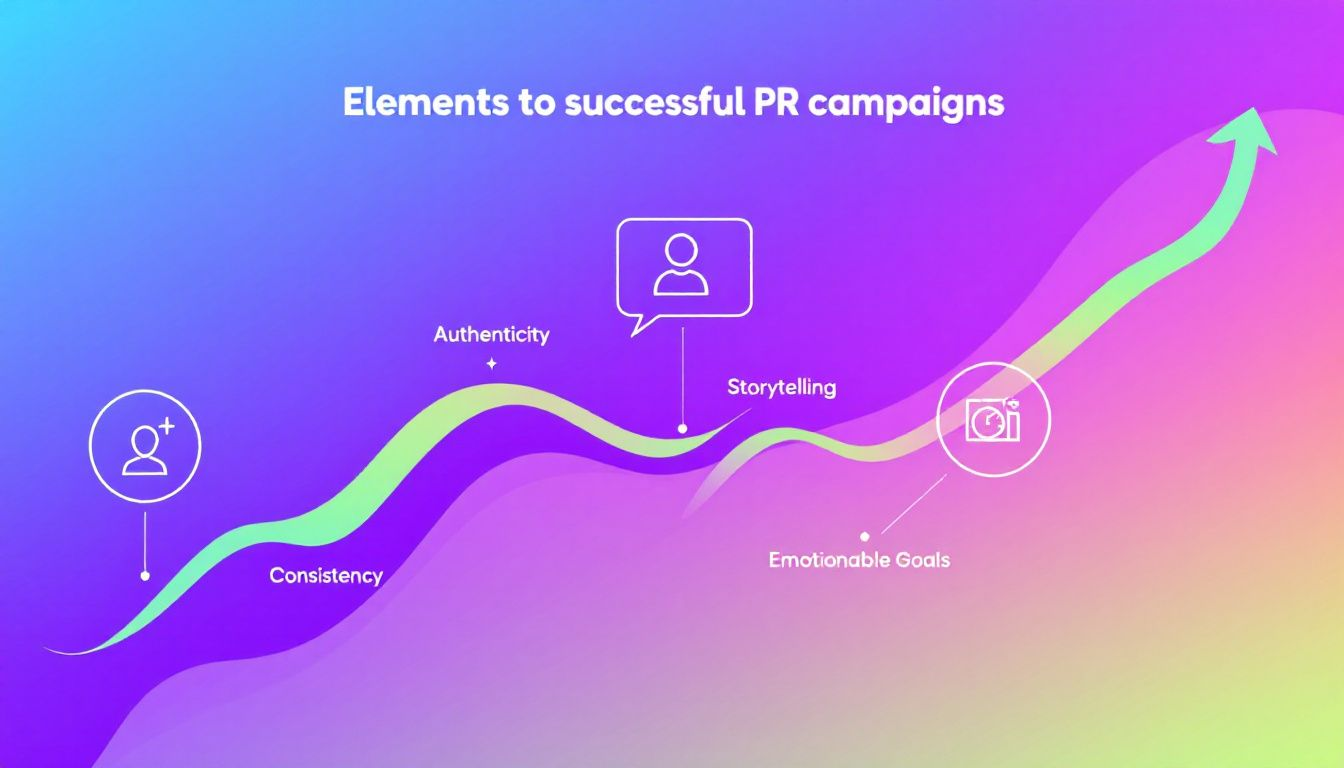
Successful PR campaigns build strong emotional connections with their audience. They create media narratives that drive interest and awareness. Monitoring media impressions helps evaluate effectiveness and adjust strategies.
Key elements of successful PR campaigns include strategic messaging, effective media outreach, and audience segmentation. By understanding and implementing these elements, PR professionals can craft campaigns that resonate deeply with their intended audience and achieve significant impact.
Crafting strategic messaging
PR campaigns revolve around strategic storytelling. It plays a central role in their effectiveness. The message in a PR campaign needs to be tailored specifically to resonate with the intended audience. The right message must be paired with the right channels to reach the desired impact. Understanding audience demographics, such as interests and online presence, influences PR strategies and the choice of publications.
Researching consumers is crucial for crafting effective messaging. Successful PR campaigns begin with defined goals that guide planning. Establishing limitations and success metrics is necessary before crafting a brand message.
Impactful PR campaigns include captivating visuals, emotive messaging, and immersive experiences.
Effective media outreach
Successful media outreach requires establishing relationships with journalists to enhance coverage opportunities. Platforms like Muck Rack and Prowly offer outreach assistance and access to a large database of journalists and media outlets. Effective media outreach involves creating a tailored story for each media contact while maintaining a comprehensive list of media professionals. Building media lists involves researching and establishing relationships with relevant journalists and influencers.
Combining online and offline media strategies can maximize outreach and create a cohesive brand message in media campaigns. After securing media coverage, sharing the story across social media platforms amplifies the campaign’s reach and visibility.
Audience segmentation
Audience segmentation in PR campaigns involves identifying and targeting specific audience groups based on data. Identifying distinct buyer personas is critical for creating effective PR campaigns that target specific audience groups. To effectively reach millennials and Gen Z in a PR campaign, utilize quality video content on social media platforms like TikTok.
Researching media outlets helps identify the best channels to reach the intended audience and understand their preferences. Segmenting the audience and tailoring messages to specific groups ensures campaigns are impactful and resonate with the right people.
Measuring PR Campaign Success

Regularly measuring and evaluating PR campaign results determines if objectives were met. Key performance indicators (KPIs) include reach, media coverage, and social media follower increases. Measuring media mentions, social media engagement, and sales inquiries assesses effectiveness. Data insights should be used to refine strategies for future PR campaigns and demonstrate the value of PR efforts to stakeholders. Monitoring and tracking performance should involve using both quantitative and qualitative metrics against initial goals.
Measuring success can be challenging due to fluid and hard-to-quantify metrics. Linking a company’s success directly to PR campaign promotion is difficult. Understanding what worked and what needs improvement is crucial for measuring success.
Successful PR campaigns seek to deliver measurable results and drive tangible business outcomes while a successful PR campaign requires creating successful PR campaigns.
Website traffic analysis
Analyzing website visitor numbers before and after a campaign can indicate its effectiveness. A significant rise in website traffic post-campaign suggests successful audience engagement. Tracking website traffic metrics is crucial for evaluating the success of PR campaigns. Sales figures can indicate the effectiveness of a PR campaign, especially if there is a steady increase following the campaign's conclusion.
Analyzing website visitor data helps understand audience engagement and adjust strategies accordingly.
Media mentions and coverage
Mentions in PR refer to brand references in media or online. A high number of press articles suggests increased visibility and engagement, indicating overall success. Tools like Google Alerts and Brand24 help measure mentions and quickly gauge campaign impact.
Tracking media mention quality helps understand PR efforts’ impact on brand perception. Key messages in media coverage enhance a campaign’s effectiveness. Evaluating media content assesses impact and improves brand image and awareness.
Social media engagement
Monitoring engagement metrics indicates PR campaign performance. Increasing metrics like likes and shares reflect positive audience response. For instance, Kamua’s campaign gained 400 new users overnight, and Dwolla achieved over 250 social media engagements, highlighting their effective approaches.
The Gender Pay Gap Bot amassed over 240,000 followers, demonstrating significant audience interest and engagement. Successful social media engagement is vital for PR campaigns’ effectiveness. Monitoring these metrics allows PR professionals to adjust strategies and better connect with their audiences, achieving campaign goals.
Examples of Top PR Campaigns
This year has seen some truly remarkable PR campaigns that have not only captured public attention but also set new standards in the industry. These campaigns have utilized innovative strategies, compelling storytelling, and strategic messaging to create a lasting impact on their audiences. From fostering connections and aligning with audience values to driving significant engagement and support for various causes, these campaigns exemplify the power of effective PR efforts. Iceland's Out-Horse Your Email campaign, featuring horses walking on a giant keyboard to promote tourism, is a prime example of creativity and engagement in action.
This section explores top PR campaign examples of the year, including Carlsberg’s “Adopt a Keg,” Dove’s #SelfieTalk, and Airbnb.org for Ukraine. Each campaign showcases unique approaches and strategies contributing to their success, making them some of the best PR campaigns. Apple's 'Think Different' campaign celebrated innovation and creativity, helping to re-establish the brand's identity and inspire audiences worldwide. Penguin Random House's creation of an unburnable copy of The Handmaid's Tale to protest against book bans also stood out as a bold and impactful initiative.
Carlsberg’s “Adopt a Keg”
Carlsberg’s “Adopt a Keg” campaign aimed to encourage safe drinking at home during the COVID-19 pandemic. The campaign allowed customers to create a virtual keg, engaging them in a unique interactive experience.
This innovative approach not only promoted responsible drinking but also fostered a sense of community among Carlsberg’s customers.
Dove’s #SelfieTalk
Dove’s #SelfieTalk campaign aimed to promote body positivity and authenticity by undoing photo editing and airbrushing. The campaign highlighted the damaging effects of photo editing and encouraged women to embrace their natural beauty. Prior to Dove’s campaign, only 2% of women found themselves beautiful, showcasing the need for change in societal perceptions. Dove's #TheSelfieTalk campaign also aimed to improve body image among young girls by promoting authenticity in social media.
The campaign led to a significant sales increase, from $2.5 billion to over $4 billion annually. By leveraging emotional storytelling and user-generated content, Dove succeeded in creating a powerful and relatable message that resonated deeply with their audience.
Airbnb.org for Ukraine
The main objective of Airbnb.org’s campaign for Ukraine was providing housing for Ukrainian refugees. Over 28,000 Airbnb hosts offered free temporary housing for Ukrainian refugees as part of the initiative. Airbnb.org partnered with nonprofits to secure housing for up to 100,000 refugees during the Ukraine crisis.
This collective effort has positively impacted thousands of refugees seeking shelter during the crisis. By aligning their campaign with a humanitarian cause, Airbnb.org not only provided essential support but also strengthened their brand reputation and fostered community goodwill.
Lessons from Successful PR Campaigns
Effective PR campaigns help establish greater credibility and build stronger media relations, benefiting any brand. Successful PR efforts can foster long-term brand loyalty, as seen with campaigns encouraging safe drinking at home during the pandemic. Understanding current trends and consumer needs is crucial for successful PR campaigns, as demonstrated by various initiatives. The 'Like a Girl' campaign by Always is a notable example, aiming to empower girls and change the negative connotation of the phrase, thereby fostering a positive societal impact. The 'Fearless Girl' statue became a symbol for gender diversity in the financial sector, promoting the Gender Diversity Index fund.
Successful PR campaigns, like the ‘Summer of Barbie’ and the ‘Year in Search,’ connect emotionally with people and encourage sharing. These campaigns share common characteristics such as innovative strategies, compelling storytelling, and strategic messaging. By analyzing and executing these elements, PR professionals can create impactful campaigns that resonate with their audience and drive tangible business outcomes. Red Bull's Stratos campaign, involving a record-breaking skydive from the edge of space, exemplifies how bold and daring initiatives can captivate global audiences and elevate brand visibility.
Importance of timing and context
Launching PR campaigns during significant events can enhance their impact and visibility. The timing of PR campaigns plays a critical role in ensuring their effectiveness and reach. For instance, campaigns launched during major holidays or cultural events can leverage the increased public interest and media coverage to amplify their message. Developing a crisis communication plan involves proactively identifying potential crisis scenarios and creating a response plan with designated spokespersons and communication channels.
Context shapes campaign content and influences effectiveness. Aligning campaigns with relevant events and trends ensures messages resonate deeply with the audience.
Leveraging emotional connections
Emotional storytelling is crucial in PR as it fosters deeper audience engagement and loyalty. Dove’s campaign addressed conflicting emotions of young girls and confidence in natural beauty, demonstrating the power of emotional themes. The ‘Summer of Barbie’ campaign blended nostalgia with contemporary trends to resonate with its audience.
Successful PR campaigns use emotional storytelling to create authentic connections. Tapping into audience emotions helps brands build meaningful connections and boost customer loyalty.
Integrating digital and traditional media
Dove’s campaigns successfully involved real women and girls, emphasizing authenticity in both digital content and traditional advertising, thereby creating a more relatable brand image. Integrating digital and traditional media broadens reach and enhances communication strategies in PR campaigns.
A comprehensive strategy combining traditional outlets like TV, radio, and print with digital platforms such as social media and websites can yield higher engagement and awareness. This blend enhances storytelling, making campaigns more memorable and impactful.
How to Plan Your Next PR Campaign
A strategic PR roadmap includes proactive pitching topics and positioning executives as thought leaders. Planning involves setting clear objectives, developing a strategic plan, and implementing and monitoring progress.
Following these steps helps PR professionals create successful campaigns that achieve goals and resonate with the target audience. Each planning stage is crucial for ensuring campaign success and delivering measurable results.
Setting clear objectives
Every PR campaign starts with a clear goal that sets the direction and purpose. Setting clear, reasonable, and achievable goals is crucial for success. Objectives should be specific, measurable, attainable, relevant, and time-bound (SMART) to ensure clear outcomes.
Understanding how and where to deliver the message is crucial in any PR strategy. Clear objectives ensure campaigns are focused and effective.
Developing a strategic plan
An integrated approach combines earned, owned, and paid media strategies for effective campaign planning. Developing a strategic plan guides PR campaign execution. A detailed roadmap with specific tactics, timelines, and assigned responsibilities ensures clarity.
Clear timelines and responsibilities aid in monitoring progress and adjusting strategies. A comprehensive plan ensures well-coordinated campaigns that achieve desired outcomes.
Implementing and monitoring
Executing your campaign timely is crucial for maximizing success. Retaining public attention after a successful campaign ensures continued engagement and information sharing. Ensure all communications align with your brand and are free of typos before reaching out.
Following up with journalists post-launch gauges interest and provides additional information. Be cautious with data usage in PR communications to avoid overwhelming the audience and ensure accuracy.
If your campaign is successful, consider repurposing the original story with a creative twist.
Summary
In conclusion, the top PR campaigns of the year have showcased innovative strategies, compelling storytelling, and effective media outreach. By understanding the key elements of successful PR campaigns, setting clear objectives, and leveraging emotional connections, PR professionals can create impactful campaigns that resonate with their audience and achieve their business goals.
As you plan your next PR campaign, remember to integrate digital and traditional media, monitor your campaign’s success, and continuously adapt your strategies based on the insights gained. Effective PR efforts can foster long-term brand loyalty, build stronger media relations, and drive tangible business outcomes.
Curious to learn more about how Salient PR can elevate your public relations? Visit our website to explore our services and success stories. A unique angle or story makes news newsworthy and should be supported by gathered market intelligence.
Frequently Asked Questions
What is a PR campaign?
A PR campaign is a strategic initiative that involves a series of planned activities aimed at generating publicity for a company or brand, ultimately shaping public perception and enhancing brand recognition. Its purpose is to achieve specific business objectives. The four phases of a PR campaign are research, planning, implementation, and evaluation. To be successful, PR campaigns require research about the target audience, competitors, and industry trends.
What are the key objectives of PR campaigns?
The key objectives of PR campaigns are to enhance brand reputation, engage effectively with the media, attract stakeholders, drive traffic to the website, and promote important causes. Focusing on these goals can lead to successful outcomes for your brand.
How do you measure the success of a PR campaign?
To effectively measure the success of a PR campaign, focus on website traffic analysis, media mentions, social media engagement, and key performance indicators (KPIs) like reach and growth in followers. These metrics provide valuable insights into the campaign's impact and effectiveness.
Why is audience segmentation important in PR campaigns?
Audience segmentation is crucial in PR campaigns because it allows for targeted messaging that resonates with specific groups, maximizing engagement and overall effectiveness. By understanding the audience demographics and preferences, campaigns can achieve their intended impact more efficiently.
What are some examples of successful PR campaigns?
Successful PR campaigns include Carlsberg's "Adopt a Keg," Dove's #SelfieTalk, and Airbnb.org for Ukraine, all of which used innovative strategies and compelling storytelling to achieve significant impact. These examples demonstrate the power of creativity in public relations. Another standout was Coinbase's Super Bowl ad, which featured a floating QR code directing viewers to a website offering free Bitcoin, showcasing the effectiveness of simplicity and curiosity in campaign design.