
The Future of AI in Public Relations: Key Benefits and Challenges
AI in public relations is revolutionizing how PR professionals work. It automates tasks, analyzes vast data sets, and personalizes communication strategies. This article delves into the benefits, challenges, and practical tools AI offers the PR industry.
Key Takeaways
AI is revolutionizing public relations by enhancing data analysis, automating tasks, and improving audience engagement, allowing professionals to focus on strategic initiatives.
AI tools such as chatbots, generative AI, and AI-driven media monitoring provide significant improvements in content creation, customer interaction, and sentiment analysis, transforming PR workflows.
Ethical considerations including accuracy, transparency, and bias in AI usage are critical for maintaining trust and credibility in public relations, requiring ongoing attention from PR professionals.
The Role of AI in Modern Public Relations

Artificial intelligence is fundamentally changing how public relations professionals interact with their audiences and analyze data. The ability of AI to process vast data volumes allows for more personalized and targeted communication strategies, connecting PR activities to business performance metrics such as click-through rates and conversions. This not only enhances the effectiveness of PR campaigns but also provides valuable insights into their impact on overall business performance.
AI’s ability to automate complex tasks enables PR teams to focus on strategic initiatives rather than repetitive duties. Tasks that usually take human analysts days to complete can now be done in minutes, significantly boosting efficiency. AI tools can also enhance team collaboration by automating content calendars, posting schedules, and replying to comments, thereby streamlining social media management. Additionally, AI can analyze large volumes of data faster than human teams, providing actionable insights in record time.
Many communication experts see AI as an opportunity rather than a risk. AI enhances human creativity by providing analytical insights that guide PR strategies, ultimately increasing efficiency, saving time and resources, and significantly boosting return on investment. Companies leveraging AI report improved return on investment (ROI) as a result of enhanced operational efficiency. The role of AI in public relations is not just supportive but transformative, heralding a new era for PR professionals.
AI Tools Revolutionizing PR
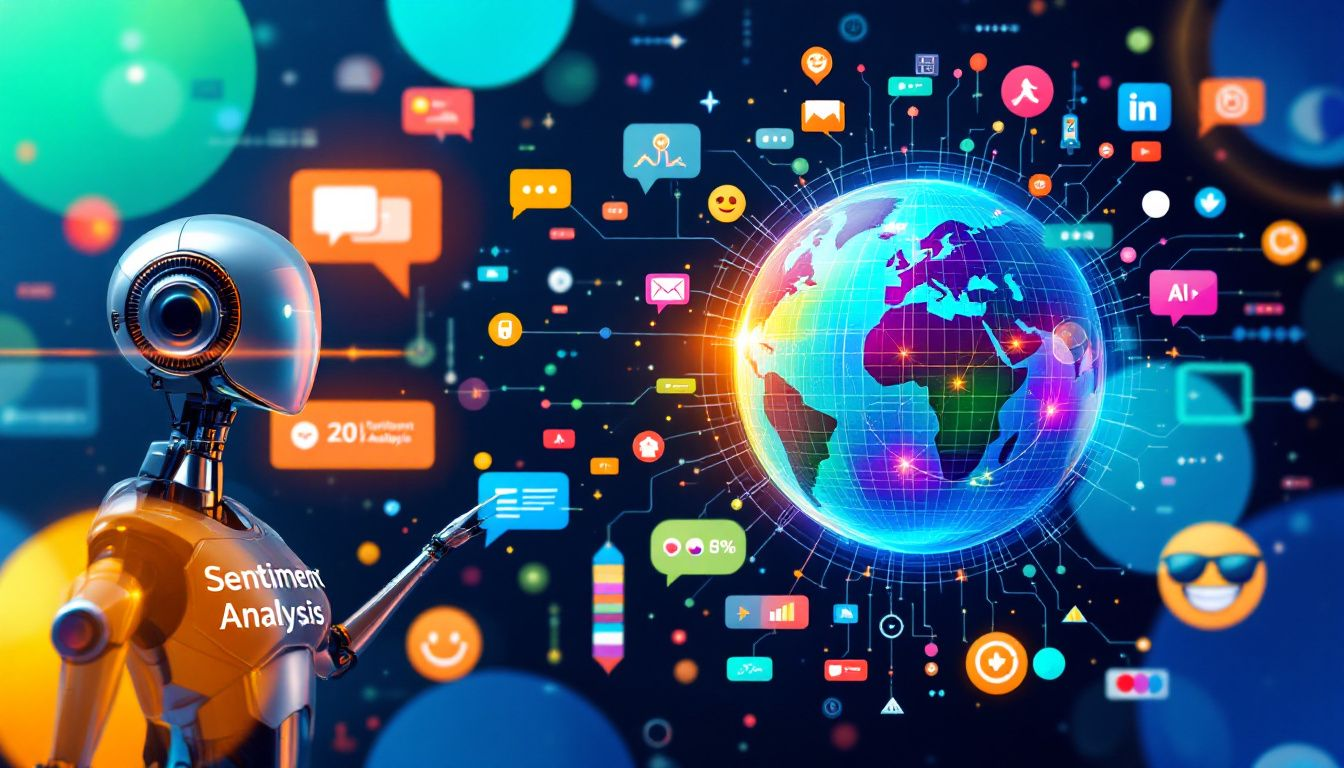
The advent of AI tools is revolutionizing the PR industry, offering new ways to enhance efficiency and creativity. Chatbots, generative AI, and AI-driven media monitoring are some of the popular tools that are reshaping PR activities. These tools enable PR professionals to automate repetitive tasks, manage social media more effectively, and create engaging content with ease.
With the growing adoption of AI technologies, PR professionals are now better equipped to handle the demands of modern communication. Specific AI tools making a significant impact in the PR landscape include chatbots for customer engagement, generative AI for content creation, and AI-driven media monitoring.
Chatbots for Customer Engagement
Chatbots have become an invaluable tool for enhancing customer engagement by providing instant responses to inquiries, thus maintaining a constant line of communication with the audience. These AI-powered chatbots are capable of creating personalized interactions by addressing customer needs and preferences, which effectively engages visitors and ensures a positive user experience. Additionally, chatbots can improve customer satisfaction by automating responses to frequently asked questions in a PR context.
The advanced natural language processing capabilities of chatbots allow them to refine their messaging, delivering content in a way that resonates with the audience. Handling a large volume of customer comments and messages, chatbots free up time for PR professionals to focus on strategic tasks.
Generative AI for Content Creation
Generative AI tools have revolutionized content creation by producing a range of content types, including visuals and written pieces, based on user prompts. AI PR tools like ChatGPT and Meltwater’s AI PR Assistant can generate first drafts of press releases, blog posts, and social media posts, streamlining the content creation process. This allows PR professionals to focus on refining and enhancing the content rather than starting from scratch.
However, human intelligence is needed to turn mundane content into outstanding content. Generative AI can produce incorrect information if trained on poor data, leading to a phenomenon known as ‘hallucination’. As a result, double-checking everything produced by generative AI tools is crucial for accuracy and reliability.
Generative AI stimulates human creativity and provides inspiration for content, but it should complement rather than replace human expertise, even when mimicking human behavior. The synergy between AI and human creativity can lead to the creation of compelling and effective PR materials.
AI-Driven Media Monitoring
AI-driven media monitoring keeps organizations updated on their online presence. AI technologies enhance media monitoring through real-time tracking of online mentions and public sentiment analysis. This enables PR professionals to identify trends quickly, measure campaign impact, and respond to emerging issues promptly. AI can also assist in building media lists and managing media outreach by identifying key journalists and influencers for PR campaigns.
AI’s unique strength in ai public relations is analyzing social media and journalistic data to perform sentiment analysis and gauge public sentiment. AI acts as a virtual assistant in reporting for public relations, providing raw data, ai assistance, historical data analysis, and tracking market trends, all of which can be enhanced by an ai model.
This comprehensive approach to media monitoring helps PR professionals make informed decisions and tailor their strategies effectively.
Enhancing PR Strategies with AI

The incorporation of AI in PR strategies allows for more efficient content creation and management, enabling PR professionals to focus on strategic initiatives rather than manual tasks. AI helps to reduce manual effort and perform tasks faster, saving time and resources. Automating repetitive actions, AI enhances productivity and allows teams to focus on high-impact activities. AI can analyze vast amounts of data in seconds, outperforming human teams in speed and accuracy, which further enhances its value in PR workflows.
AI tools help PR practitioners quickly analyze datasets to extract unique campaign insights. For instance, Meltwater’s AI-powered suite includes features for social media management, enhancing engagement and strategy. AI provides real-time insights and accurate predictions that help tailor PR strategies effectively.
AI can streamline PR tasks, but it must not replace human interaction to avoid ethical issues. The integration of AI into PR workflows is not just about efficiency but also about enhancing the quality of content and engagement with the audience.
Sentiment Analysis
Sentiment analysis is crucial for understanding audience sentiments, which impacts public image and helps tailor PR strategies. Analyzing sentiment in media coverage, AI provides insights into public perception of brand campaigns, enabling PR professionals to adapt their approaches. Advanced AI tools contextualize language, discern nuances, and greatly improve the accuracy of sentiment detection compared to traditional methods.
Effective sentiment analysis helps manage brand reputation by monitoring public sentiment and identifying patterns. This enables PR professionals to address potential issues proactively and maintain a positive brand image.
Audience Targeting
AI enhances audience targeting by finding hidden commonalities and shared interests among individuals. Identifying distinct patterns in audience behavior, AI enables more personalized communication strategies. PR professionals can tailor their messaging strategies to fit the unique needs and preferences of their target audience, resulting in more effective and engaging campaigns.
This personalization improves customer engagement and helps build stronger audience relationships. AI’s ability to analyze vast amounts of data enables PR professionals to focus on the most relevant and impactful communication strategies.
Crisis Management
AI can forecast potential crises by analyzing trends in public sentiment, facilitating proactive measures. This predictive capability allows organizations to prepare responses and mitigate the impact of potential crises. AI algorithms can monitor for potential crises in real-time by analyzing social media and news outlets, allowing for faster and more effective responses. Advanced AI systems will be able to predict potential reputational threats and market trends before they materialize, giving organizations a significant strategic advantage.
For communication professionals, AI-driven media monitoring is a valuable tool for identifying emerging issues and addressing them promptly. Staying ahead of potential crises allows organizations to protect their reputation and maintain audience trust.
Ethical Considerations in AI-Powered PR
The ethical implications of using AI in PR will become more pronounced as the technology continues to evolve. Debates surrounding the transparency and appropriateness of AI-generated content are essential to maintain trust with the audience. Ethical challenges in AI adoption include misinformation, bias, and privacy concerns that can damage trust.
Addressing these ethical considerations is key to maintaining trust and credibility in PR. Transparency in the use of AI, ensuring accuracy in AI-generated content, and mitigating bias are key aspects that need to be managed effectively.
Ensuring Accuracy
Fact-checking AI-generated content is crucial to prevent misinformation and ensure accuracy. Inaccurate AI outputs can occur if the training data is flawed, resulting in unreliable information. Human review of AI outputs is imperative to ensure content fairness and credibility.
Human interaction with AI-generated content helps spot mistakes and inaccuracies. By double-checking the content produced by AI, communication professionals can provide accurate and trustworthy information to their audience.
Transparency in AI Use
Disclosing AI usage in PR practices promotes trust and reinforces ethical standards with stakeholders. Transparency in the use of AI in public relations is essential for establishing ethical standards. Transparency about AI’s role in communication and decision-making helps build stronger audience relationships.
Transparent AI usage practices foster accountability and responsibility in public relations. This enhances trust and sets a precedent for ethical AI use in the industry.
Mitigating Bias
Using diverse training data is crucial in reducing bias in AI outputs, ensuring a more balanced representation of various perspectives. AI systems trained on diverse datasets perform better in recognizing and generating content that reflects various viewpoints and demographics.
To continue reducing bias, organizations must actively monitor and update their training datasets to reflect the diversity of their audiences. This proactive approach helps mitigate the risk of biased AI outputs and ensures fair and accurate information dissemination.
Real-World Examples of AI in PR
AI has been leveraged by PR professionals for various tasks, such as transcribing interviews and generating custom visuals. Tools like Fireflies aid in transcribing meetings, making it easier for teams to capture important discussion points in real-time. This allows PR professionals to focus on analyzing and utilizing the information rather than spending time on manual transcription.
AI-driven platforms like Pictory can produce engaging videos for PR campaigns, increasing audience interaction and engagement. Additionally, AI can assist in generating headline suggestions and creating personalized survey questions, helping PR teams to gather more targeted audience feedback.
These examples highlight the benefits of AI in PR, demonstrating how AI tools enhance efficiency, creativity, and audience engagement.
The Future of AI in Public Relations

The future of PR will be shaped by how agencies embrace and integrate AI developments. AI is anticipated to transition from serving as a supportive tool to fully executing PR campaigns autonomously, managing everything from content creation to stakeholder analysis. This shift will require PR professionals to adapt to new technologies and workflows.
In 2024, PR agencies may face a pivotal moment similar to the transition from Blockbuster to Netflix, necessitating a swift adaptation to AI technologies to ensure longevity. Those who fail to embrace AI may find themselves left behind as the industry continues to evolve.
The PR industry is undergoing significant transformation due to AI technologies. Staying ahead of these changes and leveraging AI tools effectively ensures PR strategies remain relevant and impactful. Communication leaders overwhelmingly see the importance of AI to the future of public relations and the communications industry. To fully harness these advancements, PR professionals will need to develop strong AI literacy and data analytics skills.
Summary
As we’ve explored, AI is revolutionizing the field of public relations by enhancing efficiency, creativity, and strategic planning. From chatbots that improve customer engagement to generative AI tools that streamline content creation, the integration of AI in PR offers numerous benefits. However, it also presents challenges, particularly in the areas of ethics, transparency, and bias.
Moving forward, it’s essential for PR professionals to embrace AI technologies while maintaining a commitment to ethical practices. By leveraging AI’s capabilities and addressing its challenges, the PR industry can continue to innovate and thrive in this new era. The future of AI in public relations is bright, and those who adapt will lead the way in shaping the industry’s evolution. Training in AI tools is essential for public relations professionals to leverage AI's capabilities effectively, ensuring they remain competitive in this rapidly evolving landscape.
Curious to learn more about how Salient PR can elevate your public relations? Visit our website to explore our services and success stories.
Frequently Asked Questions
How is artificial intelligence used in public relations?
Artificial intelligence is leveraged in public relations to streamline content creation, such as drafting press releases and social media posts, enhancing project initiation while allowing team members to focus on deeper insights and cohesiveness. This integration improves efficiency and effectiveness in PR strategies.
What is generative AI for PR?
Generative AI streamlines PR by automating content production, enabling the rapid creation of various materials such as blog posts, social media content, and press releases. This enhances efficiency and allows PR professionals to focus on strategy and engagement.
What is the future of AI in PR?
The future of AI in public relations will involve its integration for precise audience targeting and content generation, enhancing the ability to deliver personalized content efficiently across various channels. This shift will ultimately allow PR professionals to better connect with their customers and prospects.
What are some of the key AI tools used in public relations?
Key AI tools used in public relations include chatbots for customer engagement, generative AI for content creation, and AI-driven media monitoring. These tools effectively automate tasks, enhance content generation, and enable precise tracking of online mentions and public sentiment.
What are the ethical considerations when using AI in PR?
The ethical considerations when using AI in PR involve ensuring accuracy in AI-generated content, maintaining transparency about its usage, and actively working to mitigate bias in AI outputs. Addressing these concerns is vital for fostering trust and credibility in communications.