
Mastering Public Relations in Politics: Effective Strategies and Techniques
Public relations in politics is about shaping voter perceptions and winning elections. This article covers strategies for effective campaigning, crisis management, and building a strong political image.
Key Takeaways
Political public relations play a crucial role in bridging the communication gap between politicians and constituents, emphasizing the importance of transparency and tailored messaging.
Media relations and social media are essential tools in modern political campaigns, enabling candidates to reach wider audiences and engage directly with voters in real-time.
Crisis management and ongoing evaluation of PR activities are vital for maintaining a positive public image and ensuring that political campaigns effectively meet their strategic goals.
Understanding Public Relations in Politics
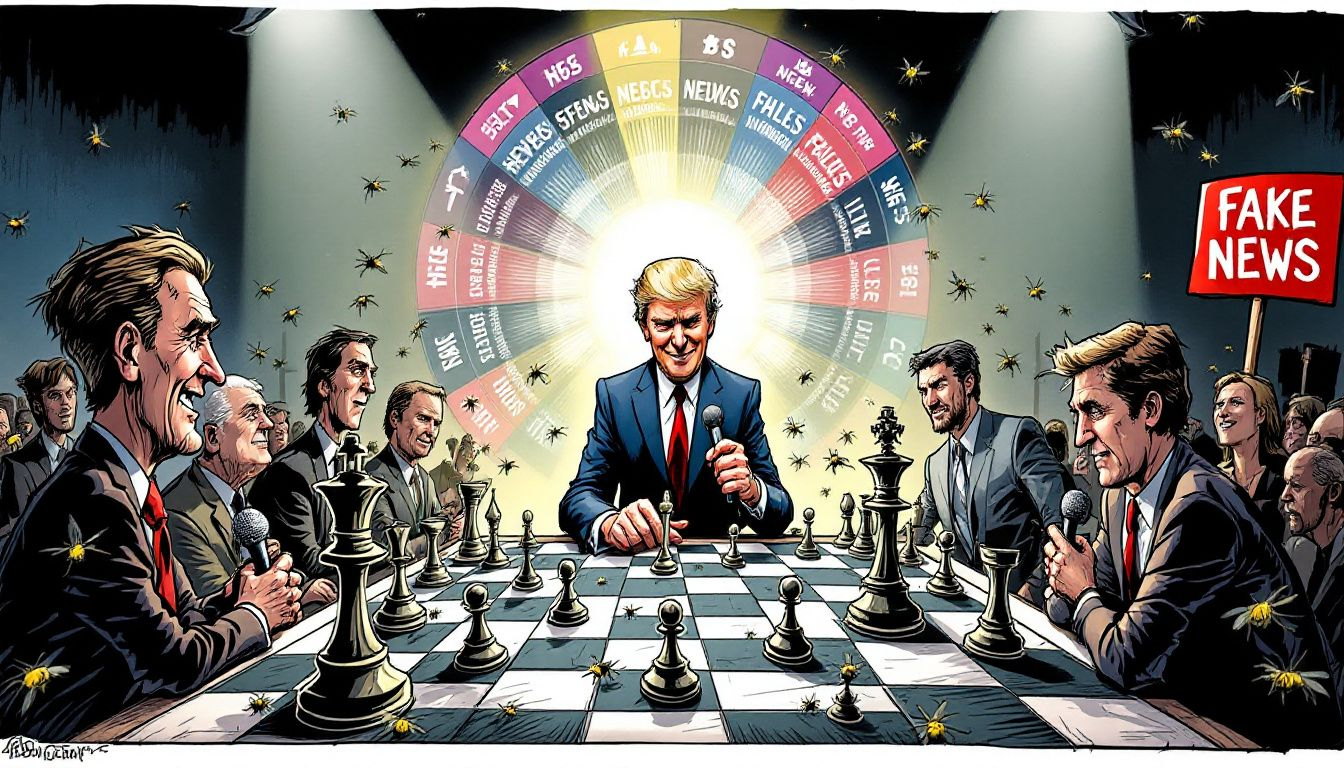
Political public relations manage the relationship between politicians and the electorate, connecting government actions with public understanding. Public relations professionals ensure effective and transparent communication of political decisions. The rise of public relations in politics is driven by the increasing complexity of the political landscape and the need for effective communication. The success of political campaigns often relies on strategic PR to shape narratives and perceptions around political figures and policies. The diversification of media has contributed greatly to the popularity of political PR, enabling strategists to cater to specific audience segments more effectively.
Key components of political PR include messaging, audience analysis, and communications planning. Messaging requires crafting clear and compelling narratives that resonate with the electorate. Audience analysis identifies key demographics and tailors messages to their interests and concerns. Data analytics and voter research are used in campaigns to tailor messaging to specific demographics. Communications planning delivers these messages through the right channels at the right time.
Political PR enhances transparency and accountability in governance by providing accurate information and addressing public concerns. These efforts build trust and foster mutual understanding between politicians and the public. PR helps create an authentic personal brand for candidates, humanizing them through storytelling. In an era where public opinion influences political debates and decisions, mastering political PR is crucial for any politician.
The Role of Media Relations in Political Campaigns
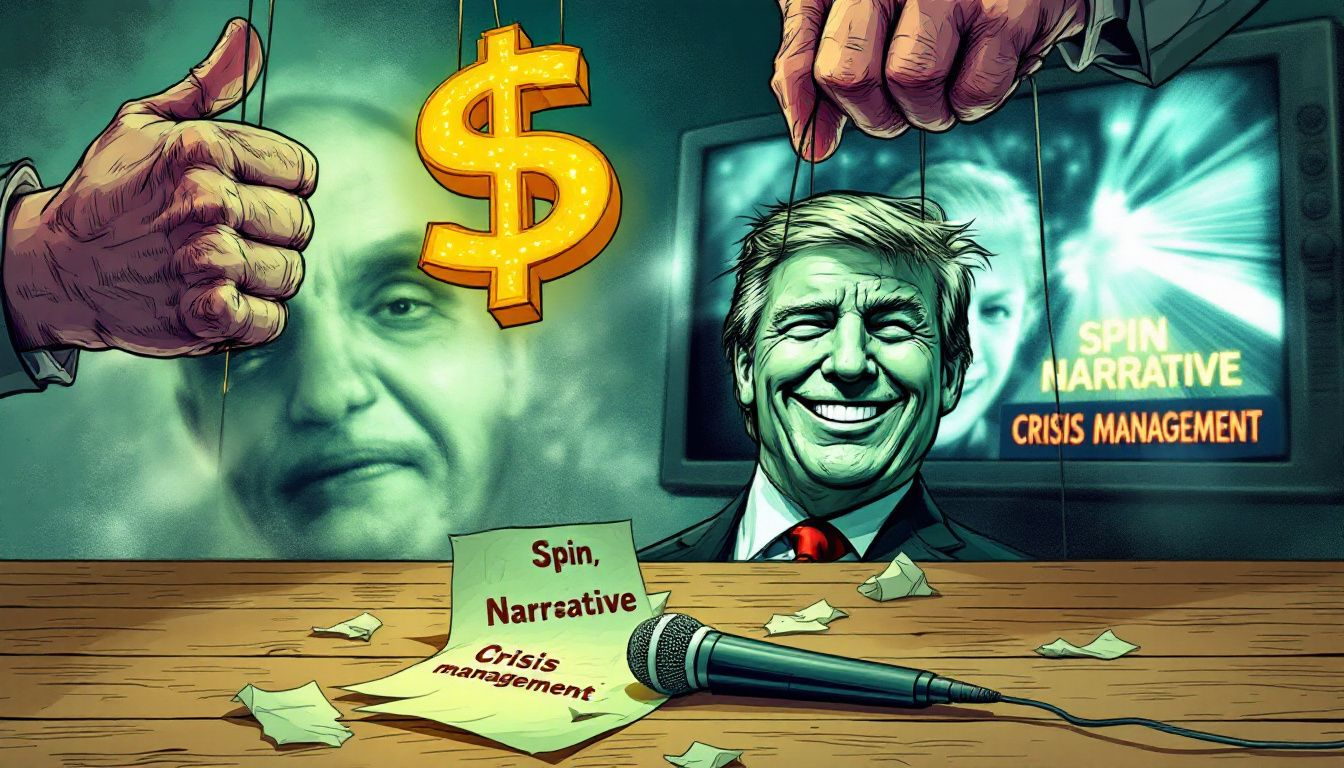
Media relations are a cornerstone of political PR, shaping voter perceptions of candidates and election issues. Maintaining relationships with media outlets ensures fair coverage of political figures and their campaigns. Strategic media relations involve securing positive coverage through pitching stories and providing media training. Politicians rely heavily on media engagements to reach a broader audience and communicate their messages effectively.
Press conferences and fundraising events maintain public interest and financial support in campaigns. They offer politicians opportunities to present their views, answer questions, and engage directly with the media and the public. Effective media relations also involve providing journalists with timely access to information through online newsrooms, shaping how candidates are portrayed in the media.
Online platforms are increasingly important in the political landscape of political campaigns and political parties, allowing candidates to highlight their policy positions and campaign messages to a broader audience beyond traditional media. Candidates utilize platforms like Facebook and Instagram for direct communication, particularly targeting younger demographics. Leveraging these platforms enables political candidates to engage with voters in real-time, respond to issues quickly, and build a more interactive and dynamic campaign strategy. Consistency in key messages across all platforms is essential for voter understanding and campaign reinforcement, ensuring a cohesive and impactful communication strategy.
Building a Positive Image: PR Strategies for Politicians
Building a positive image is crucial in political PR, requiring comprehensive communication strategies across multiple channels to convey political messages effectively. PR professionals play a key role in developing a politician’s personal brand by emphasizing their core values and achievements. This process involves crafting narratives that align with the politician’s identity and resonate with the electorate.
Media bias can significantly influence public perception by disproportionately covering certain candidates or issues. The media often sets the political agenda by highlighting specific issues. To counteract potential biases, politicians must engage in strategic media relations and ensure their messages are consistently communicated across various platforms.
Public events are another effective strategy for building a positive image. Organizing events such as town hall meetings, rallies, and community engagements fosters direct interaction between politicians and constituents, enhancing trust and building relationships. A robust online presence allows politicians to engage with voters directly, making them more relatable and approachable. Utilizing digital content can further enhance a candidate’s visibility and public image. Grassroots mobilization through community events builds local support and engages volunteers, creating a strong foundation for campaign success.
Crisis Management in Political PR
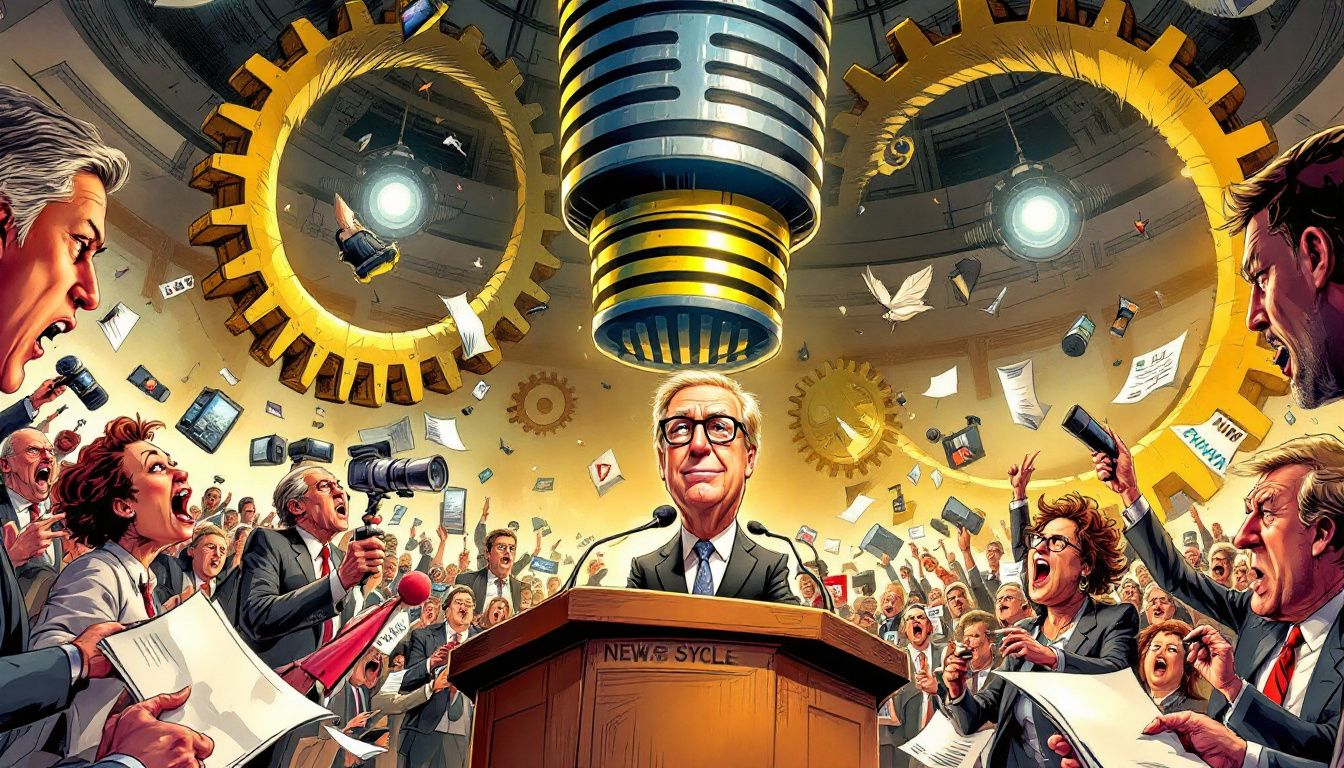
Crisis management is fundamental in political PR for swift and effective handling of unexpected events. Proactive crisis management involves preparing for potential controversies and responding strategically to mitigate damage. Politicians should always have a plan B for potential crises, as unforeseen incidents can arise at any time. Creating an emergency response team helps manage PR incidents effectively, allowing for quick and coordinated responses. Political PR professionals often create press releases to address crises and communicate with the public. Politicians must respond quickly to crises to mitigate damage to their reputation, as delays can exacerbate public backlash and harm their image.
A comprehensive crisis strategy outlines responses to potential unexpected events and is crucial for effective management. Transparent communication and strategic planning that adapts to evolving situations are essential in the strategic communication process. Politicians must assess the situation accurately before making public statements during a crisis to avoid impulsive remarks that could exacerbate the issue.
Restoring public trust post-crisis often requires proactive engagement and monitoring of public sentiment. Apologizing and taking responsibility are crucial first steps in a PR crisis. Monitoring tools are valuable for preventing crises and maintaining a positive online image. Political candidates often need to apologize and take responsibility quickly during a PR crisis to mitigate damage. Failure to manage public relations effectively can lead to undesirable publicity and damage a politician’s reputation.
Leveraging Social Media Platforms for Political PR
Social media platforms are a powerful tool in political PR, enabling real-time engagement between candidates and voters. Political campaigns now rely heavily on social media platforms to manage and control the narrative in the digital space. The democratizing nature of social media allows individuals to reach large audiences without traditional media barriers. This direct line of communication can significantly enhance a candidate’s visibility and influence.
Candidates can craft targeted messages for various audience segments through different social media channels. A well-planned social media strategy helps politicians reach specific demographics, address their concerns, and mobilize support. Politicians must take full responsibility for their content and plan strategies carefully when engaging on social media.
While some politicians manage their social media accounts independently, others consult PR managers to ensure their online presence aligns with their overall campaign strategy. Effective use of social media enables politicians to build a strong online community, engage with voters, and influence public opinion in real-time. The use of propaganda on a larger scale really emerged with radio and TV, which allowed political messages to reach mass audiences and shape public opinion more effectively.
Event Management in Political Campaigns
Event management is a critical aspect of political campaigns, with PR managers playing a crucial role in planning, managing, and executing political events. A well-organized event can significantly boost a candidate’s public image and campaign momentum. PR teams handle various events for political exposure, including party conventions, online webinars, and fundraising dinners.
Effective political events require thorough planning and attention to detail to enhance a candidate’s visibility. Coordinating logistics, such as venue selection and audience engagement, is crucial for successful political events. Feedback from past events can inform future planning and improve overall effectiveness.
By organizing and managing relevant events, a PR team helps politicians connect with voters, media, and other stakeholders. These events provide platforms for candidates to present their policy positions, engage with constituents, and build support for their campaigns.
Digital Space and Online Presence
In today’s digital age, a strong online presence is essential for any political campaign. The digital space offers many forms of engagement that significantly enhance a candidate’s visibility and enable direct interaction with voters. Especially during restrictions, such as the COVID-19 pandemic, a robust online presence has become a necessity in political communication.
An online newsroom is a dedicated space for posting, storing, and sharing information for media contacts. Effective management of digital content through online newsrooms can significantly bolster a political candidate’s engagement strategies. Timely dissemination of information ensures that media and the public have access to accurate and up-to-date content. Political candidates should utilize CRM software to manage their media contacts and interactions effectively, ensuring streamlined communication and better relationship management.
Managing digital content effectively enhances a candidate’s visibility and engagement with the electorate. Maintaining an active and well-organized online presence helps politicians stay in the public eye and ensure their messages are consistently communicated.
Monitoring and Evaluation of PR Activities
Monitoring and evaluating PR activities is crucial to align them with campaign goals and improve effectiveness. An evaluation management process is essential for assessing PR activities and their impact. Implementing this process is vital for the credibility and success of PR activities.
Evaluating PR activities shows the importance of aligning efforts to meet politicians’ goals. Continuous monitoring allows PR teams to adjust strategies in real-time, ensuring PR efforts remain effective and relevant. By regularly assessing PR outcomes, politicians can make informed decisions and improve their overall campaign strategy.
Monitoring tools and feedback mechanisms help prevent crises and maintain a positive online image. By continuously evaluating PR activities, politicians can keep campaigns on track and effectively communicate their messages to the public.
Summary
In summary, mastering public relations in politics requires a multifaceted approach that includes media relations, crisis management, social media engagement, and event management. By employing effective PR strategies, politicians can enhance their visibility, build trust with the electorate, and shape public opinion.
As political landscapes continue to evolve, staying ahead with innovative PR techniques is crucial. Modern political PR has evolved significantly with the advent of new communication technologies, particularly digital media. By implementing the strategies discussed in this guide, politicians and PR professionals can navigate the complexities of political public relations and achieve campaign success.
Curious to learn more about how Salient PR can elevate your public relations? Visit our website to explore our services and success stories.
Frequently Asked Questions
What is political public relations?
Political public relations is the strategic management of communication between politicians, political parties, and the public, aimed at shaping public opinion and enhancing accountability in governance. It encompasses messaging, media relations, and various activities to effectively engage with the audience. Public relations has long been a crucial aspect of business, but in recent years, it has also become an integral part of politics. The earliest form of public relations in politics consisted of ancient leaders creating monuments promoting their reign or spreading rumors and lies about an enemy, showcasing how PR has evolved over centuries. Throughout the period before and after the American Revolution, leaders used newspapers to support or disparage various ideas.
How important are media relations in political campaigns?
Media relations are vital in political campaigns as they influence voter perceptions and ensure comprehensive coverage. By fostering relationships with media outlets and providing timely information, campaigns can effectively convey their messages to the public.
What strategies can politicians use to build a positive image?
To build a positive image, politicians should implement comprehensive communication strategies, cultivate a personal brand, engage actively in public events, and maintain a strong online presence. These approaches are vital for fostering trust and meaningful connections with constituents.
How should politicians handle crises?
Politicians should establish a crisis management plan that incorporates an emergency response team, transparent communication, and strategic planning. Taking responsibility and maintaining proactive engagement are essential to restore public trust.
Why is social media important for political campaigns?
Social media is crucial for political campaigns as it facilitates real-time voter engagement, democratizes communication, and allows for targeted messaging. A strategic approach to social media can greatly increase a candidate's visibility and impact.