
Essential Insights into Public Relations and Marketing Communication
Wondering about public relations and marketing communication? Public relations (PR) focuses on managing a company’s image and relationships, while marketing communication aims to drive sales through product promotion. While their objectives differ, there are inevitable overlaps between the two departments. This article explores their distinct roles and how they can work together efficiently.
Key Takeaways
Public Relations (PR) focuses on building and maintaining a positive public image, while Marketing Communication aims at promoting products and driving sales.
Successful integration of PR and marketing communication enhances brand presence and drives tangible business results through cohesive campaigns.
Measuring success in PR involves metrics like media reach, while marketing evaluates performance through sales figures and ROI.
Understanding Public Relations and Marketing Communication
Public Relations (PR) and Marketing Communication are often seen as two sides of the same coin, but they serve different purposes within the realm of corporate communications. PR focuses on building and maintaining a positive public image for an organization, while marketing public relations aims at promoting products and driving sales.
This misconception that marketing and communications are identical often leads to confusion regarding their roles and objectives.
Defining Public Relations
Public relations is all about building relationships with the general public and key stakeholders to foster a positive image. PR professionals are skilled in managing the flow of information between an organization and its audience, ensuring that the brand is perceived favorably. This involves strategic communication, media relations, and the careful crafting of press releases that capture the essence of the brand’s message. Effective PR builds a foundation of trust and authenticity through third-party endorsements. Additionally, PR focuses on cultivating long-term relationships, contrasting with marketing's emphasis on achieving quantifiable ROI.
One of the primary aims of public relations is to gain earned media, which brings attention, credibility, and sales. PR specialists focus on maintaining a consistent tone and messaging across all communication channels, reinforcing the brand identity and differentiating it from competitors.
Effective PR strategies also involve crisis communications, where public relations professionals work diligently to manage and mitigate negative press. PR manages reputation and crises by controlling the narrative during negative events, ensuring that the organization maintains trust and credibility.
Defining Marketing Communication
Marketing communication, on the other hand, revolves around promoting products and services to generate leads and drive sales. Marketing teams employ a variety of media, including earned, paid, and owned channels, to engage their target audience and tell compelling stories about their products. Press releases are often used by companies to announce and promote new products, services, and important events, making them a powerful tool in marketing.
Daily activities of marketing professionals encompass a broad range of tasks aimed at achieving sales goals, from social media marketing to crafting advertising strategies. Social media plays a significant role here, allowing marketing efforts to reach wider audiences through both organic posts and paid advertisements.
Blogs address customer concerns and showcase expertise, effectively blending PR and marketing strategies.
Key Differences Between PR and Marketing Communication
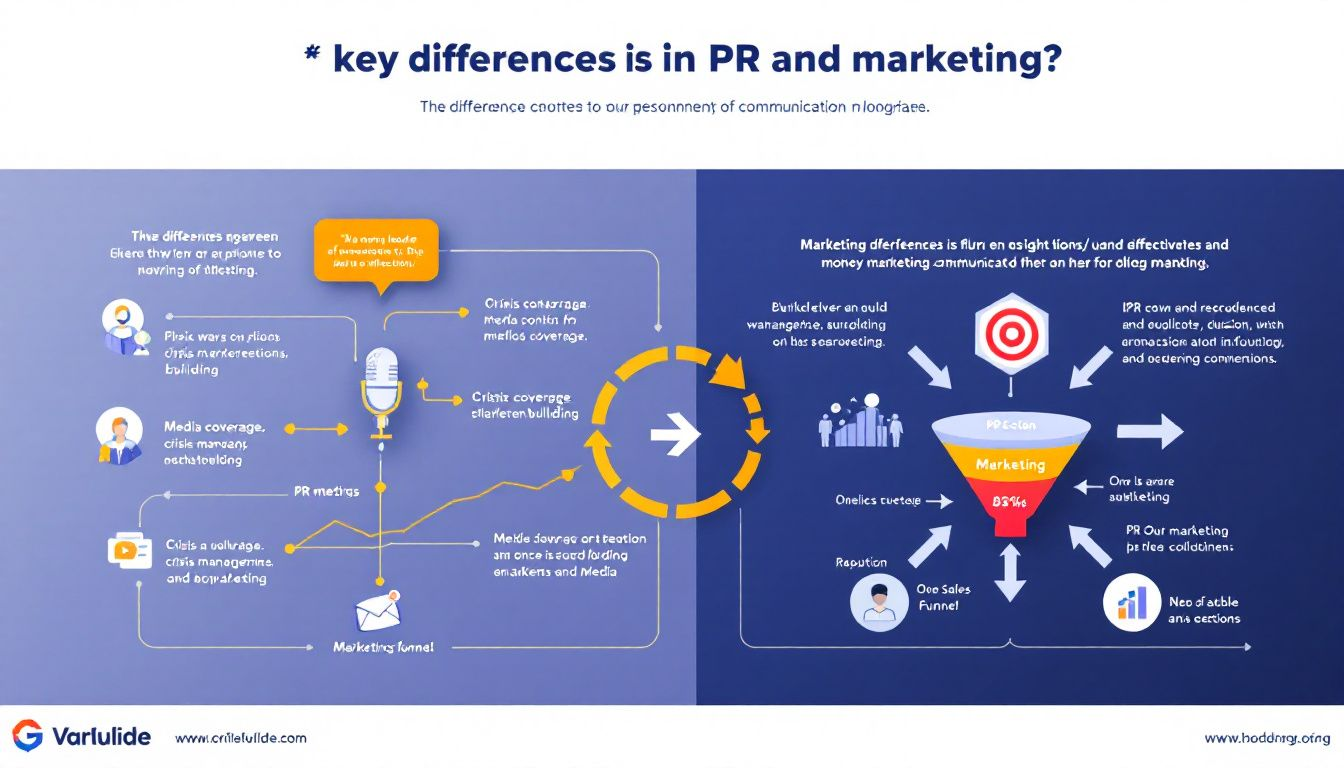
While PR and marketing communication share some common tactics and goals, their core objectives and approaches differ significantly. Understanding these differences is crucial for leveraging each discipline effectively.
Understanding how their goals, strategies, and metrics for success vary is essential.
Goals and Objectives
The primary goal of public relations is to establish and maintain a positive public image and reputation for the organization. PR focuses on building strong media relations and ensuring that the company is viewed favorably by key stakeholders. This involves consistent efforts to communicate the brand’s values and messages across various channels.
In contrast, the main objectives of marketing communication are centered around driving sales and enhancing customer engagement. Marketing efforts aim to attract new buyers and retain existing customers through targeted campaigns and advertising strategies. While PR focuses on reputation, marketing communication is geared towards achieving tangible sales goals and measurable outcomes.
Strategies and Tactics
Public relations professionals often prioritize media outreach and maintaining relationships with journalists and media outlets. This includes crafting press releases and ensuring consistent media coverage to keep the organization’s image positive. PR strategies also involve crisis communications to manage any negative attention proactively.
Marketing teams, on the other hand, emphasize product promotions and sales strategies. They utilize a mix of advertising strategies, social media ads, and owned media to reach their target audiences and promote products effectively. This approach aligns with the various marketing focuses that guide their marketing team efforts.
While there is some overlap between PR and marketing tactics, the core focus of each remains distinct, with PR aiming at reputation management and marketing targeting sales growth.
Measuring Success
In public relations, success is often measured using metrics such as media reach and sentiment analysis. PR professionals assess how far their messages have traveled and the public perception of their brand. These insights help in adjusting strategies to maintain a positive reputation.
Marketing professionals gauge their success through more tangible metrics like sales figures, conversion rates, and return on investment (ROI). Analytics tools play a critical role here, providing detailed data that helps in evaluating campaign performance and refining future marketing efforts.
Measuring success in both PR and marketing is essential for understanding the effectiveness of each strategy and making informed decisions.
How PR and Marketing Communication Work Together
When PR and marketing communication are integrated, they create a powerful synergy that enhances the overall effectiveness of both disciplines. Working together allows PR and marketing teams to craft cohesive campaigns that amplify the brand’s message and engage audiences more effectively. For instance, amplified reach can occur when a PR feature drives traffic to a marketing landing page, demonstrating how these disciplines can complement each other to achieve greater impact.
Let’s explore the ways in which these two fields can collaborate for maximum impact.
Integrated Campaigns
Integrated campaigns leverage the strengths of both PR and marketing to maximize brand impact. By building strong relationships between PR and marketing teams, organizations can ensure better communication and alignment on goals. Jointly setting objectives helps align efforts with the company’s overall goals, minimizing conflicts and enhancing the effectiveness of campaigns. Unified strategies ensure the brand's promise is consistent across all communications.
For instance, Brand X implemented a unified marketing strategy that combined social media engagement with traditional advertising, resulting in increased brand loyalty and sales. Collaborating on content creation enables PR and marketing professionals to craft compelling narratives that resonate with target audiences and promote products effectively.
This integrated approach not only builds brand awareness but also drives tangible business results.
Social Media Strategy
Social media serves as a crucial platform for both PR and marketing teams to reach wider audiences and engage with them in real-time. PR teams focus on creating and publishing posts that foster organic engagement, while marketing teams run targeted ads to promote products and drive sales. Leveraging both owned and paid media enables organizations to manage their reputation effectively and reach their target audiences.
Monitoring social media interactions is essential for both PR and marketing. PR professionals use social media monitoring and social listening tools to track public sentiment and respond to important events. PR professionals monitor and respond to social media comments during a crisis, ensuring timely and appropriate engagement. Marketing teams analyze engagement data to refine their strategies and ensure that their ads are reaching the right people.
This collaborative approach enhances the overall effectiveness of social media strategies and builds a stronger brand presence.
Event Marketing
Events serve a dual purpose by facilitating both PR efforts to generate media buzz and marketing strategies aimed at lead generation. PR professionals focus on promoting the brand and creating positive media coverage, which enhances the organization’s reputation. By hosting successful events, companies can attract media attention and build a positive public image.
At the same time, marketing teams leverage events to promote products and generate leads. Engaging with potential customers directly helps drive sales and build lasting relationships. The collaboration between PR and marketing teams in event marketing ensures that the brand’s message is consistent and impactful, ultimately increasing sales and enhancing brand awareness.
Common Tools Used in PR and Marketing Communication
Utilizing the right tools is essential for executing and measuring the effectiveness of PR and marketing communication strategies. From media monitoring tools to CRM systems and analytics software, these tools help PR and marketing teams streamline their efforts and achieve their goals.
Media Monitoring Tools
Media monitoring tools are invaluable for tracking online conversations and public sentiment towards a brand. PR professionals use these tools to track mentions of their brand across various media outlets and gauge public perception. This real-time data helps in managing reputation and responding promptly to any issues that arise.
CRM and Email Marketing Platforms
Customer Relationship Management (CRM) systems are crucial for managing customer interactions and nurturing leads. These platforms help marketing teams track customer behavior and tailor their communications to meet individual needs. Integrating CRM with email marketing allows organizations to send personalized messages that enhance customer engagement and drive sales.
Email marketing platforms also play a vital role in PR and marketing efforts. They enable businesses to maintain consistent communication with their audience, share company news, and promote products.
By leveraging CRM and email marketing together, companies can build stronger relationships with their customers and improve their overall marketing effectiveness.
Analytics Software
Analytics software is essential for evaluating the performance of PR and marketing campaigns. These tools provide valuable insights into campaign reach, audience engagement, and overall effectiveness. Analyzing this data helps PR and marketing teams refine their strategies and achieve better results in future campaigns.
Incorporating analytics software ultimately leads to a deeper understanding of audience dynamics and improved campaign outcomes.
Best Practices for Effective PR and Marketing Communication
Aligning PR and marketing strategies is crucial for creating a cohesive and effective communication strategy. Following best practices helps organizations enhance their brand reputation and achieve their business goals.
Let’s explore just a few examples of these best practices in detail.
Consistent Messaging
Consistent messaging is key to reinforcing brand identity and building trust with audiences. Integrating PR and marketing efforts enables organizations to create a unified message that resonates across various channels. Key channels for maintaining consistent messaging include social media, press releases, and email communication.
To ensure coherence, it is essential to establish clear messaging guidelines and regularly train PR and marketing teams. Utilizing a multi-channel approach allows organizations to reach diverse audience segments while conveying the same core message.
Monitoring social media channels effectively helps identify any discrepancies in messaging and adjust strategies accordingly.
Collaboration Between Teams
Collaboration between PR and marketing teams is vital for creating impactful campaigns and enhancing brand reach. Integrated campaigns leverage the strengths of both PR and marketing, resulting in a unified message and strategy. Social media serves as a key platform for both teams, providing opportunities for real-time interaction and engagement with audiences.
Best practices for collaboration include maintaining consistent messaging across all platforms and ensuring regular communication between PR and marketing teams. Working together enables these teams to build positive relationships with target audiences and achieve better overall results.
Crisis Management
One of the primary goals of PR specialists is to prevent and handle PR crises effectively. When a crisis occurs, public relations professionals play a crucial role in managing negative publicity and maintaining the organization’s reputation. Addressing issues proactively helps PR prevent a decline in sales and protect the brand’s image.
An effective crisis management plan involves monitoring social media and other communication channels to quickly identify and respond to any negative attention. Crafting thoughtful and timely responses is essential for managing public perception and maintaining trust.
Working closely with marketing teams ensures that PR professionals keep the organization’s messaging consistent and transparent during a crisis. Crisis alignment involves PR managing core messaging while Marketing adjusts promotional activities, ensuring a cohesive and effective response.
Summary
In summary, understanding the distinct roles of Public Relations and Marketing Communication is essential for leveraging their strengths effectively. While PR focuses on building and maintaining a positive public image, marketing aims at promoting products and driving sales. By recognizing their differences and integrating their efforts, organizations can create cohesive strategies that enhance brand presence and drive business success.
As we’ve seen through various examples and case studies, the synergy between PR and marketing can lead to remarkable outcomes. From consistent messaging to effective crisis management, the collaboration between these disciplines is crucial for achieving long-term corporate goals. Embracing these best practices will help your organization build a strong brand identity and foster lasting relationships with your audience.
Curious to learn more about how Salient PR can elevate your public relations? Visit our website to explore our services and success stories.
Frequently Asked Questions
What is the primary difference between PR and marketing communication?
The primary difference is that PR is centered on maintaining a positive public image and reputation management, whereas marketing communication is focused on promoting products and driving sales.
How do PR and marketing teams collaborate on social media?
PR and marketing teams collaborate effectively by using social media to engage audiences organically through posts, while marketing focuses on targeted ads. Both leverage monitoring tools to track engagement and enhance their strategies.
What tools are commonly used in PR and marketing communication?
In PR and marketing communication, commonly used tools include media monitoring to track brand mentions, CRM and email marketing platforms for customer interactions, and analytics software to assess campaign performance. These tools are essential for effective communication and strategy evaluation.
How can consistent messaging benefit a brand?
Consistent messaging strengthens brand identity and builds trust with audiences, ensuring that your core message is effectively communicated across all channels. This ultimately enhances overall brand perception and loyalty.
What role does PR play in crisis management?
PR is essential in crisis management as it helps manage negative publicity, protects the organization's reputation, and communicates effective responses. This proactive approach prevents sales declines and safeguards the brand's image.