
What Is in a Media Kit: Essentials, Tips, and Examples
A media kit is a crucial tool for businesses aiming to work with media outlets. It includes elements like company overviews, leadership bios, and brand assets. A media kit is a set of promotional materials curated for journalists and media representatives. A press kit is a more traditional term for materials compiled for journalists or news media to write about a company. The key difference between a media kit and a press kit lies in the audience they target. This article will break down what is in a media kit, covering all the essentials you need to include.
Key Takeaways
A compelling media kit should include an overview of the company, leadership bios, and brand assets to establish identity and credibility.
High-quality product information, social media statistics, and testimonials enhance trust and provide key insights into brand value and customer experience.
Regularly updating your media kit with fresh content and design elements ensures it remains relevant and effectively engages media professionals.
An effective media kit should provide easily accessible information for journalists, partners, and investors. A media kit serves a broader audience, including bloggers, influencers, and content creators, in addition to traditional media. A media kit can include branding guidelines, social media information, videos, awards, and case studies, in addition to the traditional press kit components.
Company Overview and Mission
A compelling media kit begins with a robust company overview and mission statement. This section introduces your company’s official name and history, offering background information to the reader. A brief history, mission statement, core values, and business overview inform and connect with your audience. A company overview should also detail the company's founding date, important milestones, and what problems it solves.
A well-crafted company story offers insights into who you are, your business tenure, and your brand values. This narrative builds credibility, showcasing your commitment to your public image and enhancing your professional presentation. Your mission and vision statements clarify your objectives and why your company deserves attention. Many brands use the terms 'media kit' and 'press kit' interchangeably, but they have different focuses and audiences. Design your media kit so it aligns with your brand identity by using consistent colors, fonts, and graphics.
Together, these elements convey what your business does and why it matters, forming a strong foundation for the rest of the media kit. This section should give the reader a clear understanding of your company’s mission, history, and values.
Leadership Bios
Leadership bios humanize your brand, providing a personal touch. Highlighting key people in your executive team fosters trust with potential clients and partners. Including detailed bios of prominent leaders is crucial as media professionals often seek to feature them.
These bios should include credentials, roles, and any awards or recognition to establish authority and credibility. Short biographies of key management individuals convey their professional journey, adding depth to the company background. Linking to full bios for more details is recommended.
Including headshots enhances recognition and connection with the audience. This approach personalizes the brand and ensures the media kit presents a complete and professional picture of the company’s leadership. Additionally, a media kit should provide high-resolution images of the brand, products, or key personnel to help media professionals.
Brand Assets
Brand assets define your brand’s identity and ensure consistent representation across various media outlets. High-resolution logos are essential for accurate and modern branding representation. Logos identify and differentiate your brand in the market, making them fundamental components.
Providing examples of correct and incorrect logo usage clarifies branding expectations. Consistent application of brand colors enhances recognition and establishes a cohesive identity across promotional materials. A well-defined color palette differentiates your brand and aligns with its values and messaging. Make your media kit easy to navigate by adding a table of contents, especially if it includes multiple sections.
A section on color formats and guidelines ensures proper use across different applications, enhancing consistency. A complete brand kit should include color schemes, typography sets, and other essential visual elements to maintain a cohesive brand identity.
Product and Service Information
Showcasing your products and services clearly and attractively is vital. High-quality images and videos create a memorable impression and evoke emotions, making them indispensable. Improving color contrast, sharpness, and overall quality enhances their appeal.
Clear and appealing product descriptions avoid confusion, making it easier for potential customers to understand your offerings. Providing unbiased, factual information builds credibility with partners and customers. Prioritizing key products allows you to showcase your best offerings effectively.
Organizing products, services, and supporting materials logically and appealingly is crucial for your media kit’s effectiveness. This ensures the information is easily accessible and engaging for the reader. A media kit should contain product or service information, including unbiased data and relevant details about each offering.
Social Media Statistics
Social media statistics and social media stats reveal your brand’s online presence and influence. Key metrics include engagement rates, follower counts, and interactions across platforms. These statistics offer a snapshot of your digital footprint and can attract potential collaborations.
Keeping these metrics current showcases recent achievements and maintains relevance. Providing social media links allows journalists and partners to easily access and utilize your content, enhancing the overall value and functionality of your media kit.
Detailed social media statistics demonstrate your brand’s reach and interaction, highlighting your engagement with your target audience, making it a compelling component of your media kit.
Testimonials and Case Studies
Testimonials and case studies build trust and credibility. Testimonials from credible clients effectively communicate your brand’s quality and reliability, enticing potential customers and collaborators. Presenting testimonials as strong quotes with relevant images creates a visual and emotional connection. Including testimonials in a media kit builds trust and credibility, making it easier to attract new partnerships or sponsorships.
Incorporating case studies provides concrete examples of your company’s success, enhancing marketing and sales efforts. These case studies should showcase how your brand has solved problems for clients, providing detailed and compelling narratives. Incorporating testimonials and case studies in the media kit helps build credibility and trust with media personnel.
Press Releases and Media Coverage
Press releases are a cornerstone of any media kit, providing journalists with timely updates and relevant information that can enhance media coverage. A press kit typically includes press releases, images, background information, and contact details for journalists. Including statistics and recent achievements in your press release materials creates a compelling narrative for media outlets.
Update your media kit after significant company changes, such as new product launches or management shifts, to reflect the most current information. Including recent media coverage in the media kit can display how the company is portrayed in various stories and articles. A well-crafted media kit with up-to-date information can greatly enhance the chances of gaining positive media coverage.
Press releases showcase the latest achievements and projects, creating public excitement and demonstrating active company efforts. This press page should leave the reader with a sense of your ongoing initiatives and successes.
Visual and Media Assets

Visual and media assets are vital components of an effective media kit. High-resolution images, typically 300 DPI or more, deliver greater clarity and detail, making them essential for print and visual media. These images enhance the emotional impact and memorability of your brand content.
Providing a variety of visual formats, such as videos and infographics, enriches the media kit and caters to different media outlets’ needs. Visual assets must maintain sufficient quality to ensure professionalism and attract attention from journalists and media creators.
Including diverse visual formats ensures your media kit is versatile and engaging, catering to the varied preferences of media professionals.
Contact Information
Contact information is a critical component of any media kit, facilitating communication with media professionals. Include a phone number, website, email address, and social media handles to enhance accessibility for media inquiries.
Providing a specific contact person for media or press inquiries increases the likelihood of effective communication. Maintaining updated and accurate contact details ensures timely responses to media requests, avoiding potential confusion.
Distribution Formats
Choosing the right distribution formats for your media kit is crucial for accessibility and engagement. Digital media kits offer enhanced engagement through interactive components, making them appealing for media outreach. They can be easily updated, adapting over time to reflect changing information and branding. Sharing vital information through a media kit saves time by providing all necessary details in one place for potential partners and journalists.
Having a media kit design available in multiple formats, such as PDFs, slideshows, Google Drive, and website links, caters to varying audience preferences and needs. The flexibility of digital media kits allows for diverse size options as long as the materials are easy to download and space-efficient.
Printed media kits, though less common, are still effective during major events like company launches or when pitching broad audiences. Choose the format of your media kit based on your audience’s convenience and information preferences.
Extra Materials
Beyond the core components, a media kit can include all the materials to enhance its value. Additional items such as financial data, charity work, social causes, and market share provide a more comprehensive view of your company. A media kit serves as a marketing tool to attract advertisers, secure speaking engagements, and highlight key statistics and successes. A media kit distinguishes your brand from competitors by highlighting unique attributes and past successes through statistics and testimonials.
Interactive content like infographics can enhance engagement in a media kit. An FAQs section with common questions, niche industry information, and product or service uniqueness can address frequently asked questions by media professionals. Incorporate FAQs in your media kit to address common inquiries from potential partners or media. An FAQs section in the media kit can also address common questions journalists may have about the company.
How to Keep Your Media Kit Up to Date
Keeping your media kit up to date ensures its relevance and effectiveness. Review and update it at least once a quarter. Include the newest promotional materials, recent collaborations, awards, and statistical figures to keep it current.
Including recent case studies provides detailed examples of how your brand has solved problems for clients, adding to the credibility and value of your media kit.
Media Kit Best Practices
Creating a successful media kit requires regular research and analysis of successful examples to continuously improve your own. A strong media kit provides factual information and reflects the brand’s identity and professionalism. Regularly assess the design and presentation to ensure it aligns with current branding trends.
Using folders and subfolders to organize the contents of your media kit enhances its usability. The writing should be concise and clear, avoiding large blocks of text to maintain the reader’s interest.
Examples of Effective Media Kits
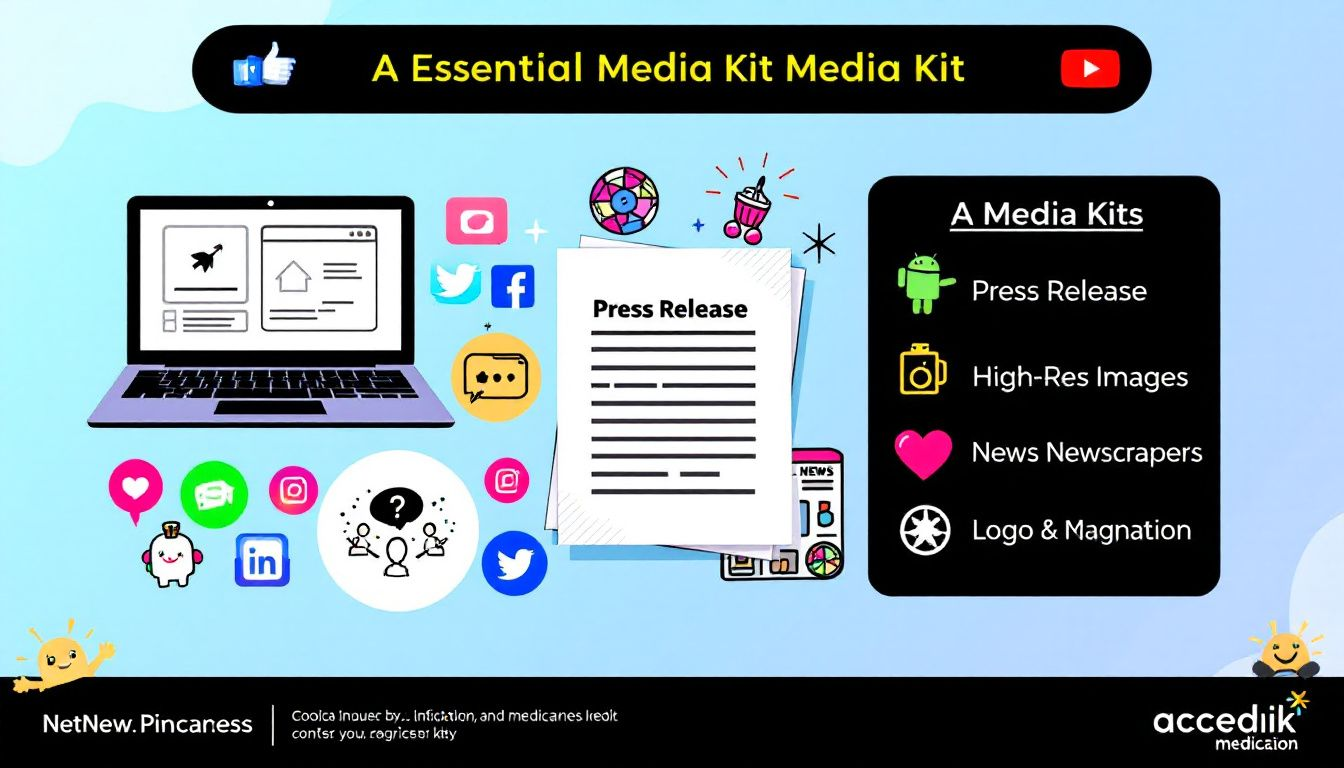
To inspire your media kit creation, consider media kit examples of effective media kits. Airbnb’s media kit showcases diverse experiences through vibrant visuals and impactful statistics, establishing trust and professionalism. Coca-Cola’s media kit combines colorful graphics and heartfelt narratives, capturing the brand’s core values and emotional resonance.
National Geographic’s media kit uses stunning photography to convey the brand’s influence and storytelling power, providing comprehensive audience insights. These examples highlight the importance of visual appeal and strategic design in creating impactful media kits.
Summary
In summary, a well-crafted media kit is an indispensable tool for any brand looking to make a strong impression. From the company overview to effective distribution formats, each component plays a crucial role in conveying your brand’s story and values.
By following the tips and best practices outlined in this guide, you can create a media kit that not only informs but also engages and inspires. Start building your media kit today and watch as it opens new doors for your brand.
Curious to learn more about how Salient PR can elevate your public relations? Visit our website to explore our services and success stories.
Frequently Asked Questions
What is the most important component of a media kit?
The most important component of a media kit is the company overview and mission, as they lay the essential groundwork by conveying your brand's identity and purpose. Media kits provide a more comprehensive overview of a company compared to press kits. This foundation helps build trust and understanding with your audience.
How often should I update my media kit?
You should update your media kit at least once a quarter to ensure it remains current and relevant. Regular reviews help maintain professionalism and accuracy.
What are the benefits of including social media statistics in a media kit?
Including social media statistics in a media kit enhances your brand's credibility and showcases your online influence, making it easier to attract collaborations and media interest. This measurable data can significantly impact your reach and engagement opportunities.
Why are high-resolution images important in a media kit?
High-resolution images are essential in a media kit as they elevate the emotional impact and memorability of your brand content, ensuring effective communication with your audience. Their quality reflects professionalism and strengthens brand perception.
Can I include interactive content in my media kit?
Including interactive content in your media kit is highly beneficial as it enhances engagement and creates a dynamic experience for media professionals. This approach can showcase your creativity and make your media kit stand out.