
Understanding the Key Difference Between Communication and Public Relations
Understanding the difference between communication and public relations is essential. Communication involves information sharing for clarity and understanding within and outside an organization. Public relations focuses on managing the public image and building relationships with external audiences. This article explores their roles, strategies, and why distinguishing between them matters.
Key Takeaways
Communication focuses on mutual understanding within an organization, while public relations aims to manage external perception and build goodwill.
Both communication and public relations utilize distinct strategies and channels, emphasizing the importance of tailored messaging for internal and external audiences.
Integration of communication and public relations fosters unified brand messaging, enhancing reputation management and audience engagement.
Defining Communication and Public Relations
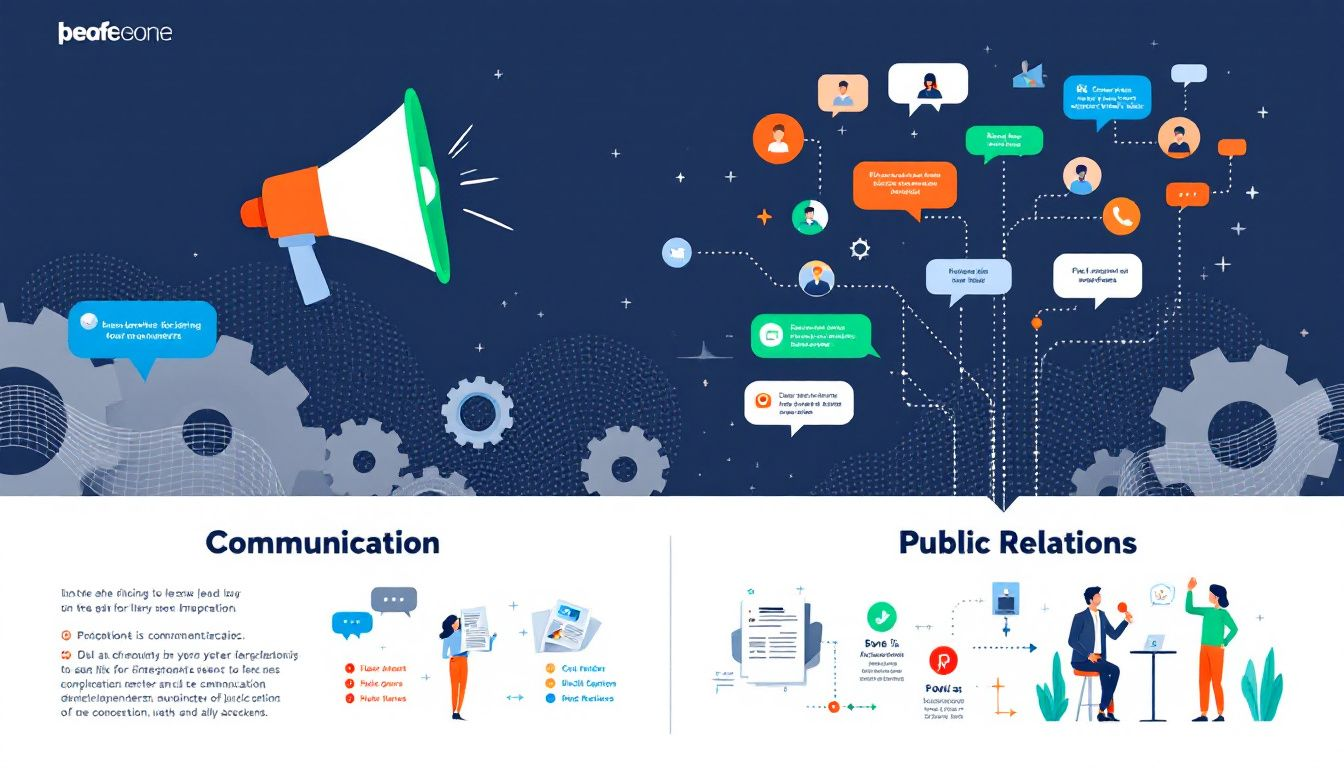
Communication and public relations both aim to shape audience perceptions. They are crucial for reputation management and crisis communication, ensuring a consistent brand message in line with business objectives. Public relations involves proactive measures such as announcing new products and reactive measures like responding to negative press. PR professionals use press releases, news conferences, and interviews to manage how information is shared with the public. Despite this, their approaches and focuses differ.
Communication strategies target both internal and external groups, whereas public relations mainly manages relationships and builds goodwill with the public.
What Is Communication?
Communication within an organization strives for mutual understanding, clarity, and coherence in information exchange. It includes formats such as internal memos and global advertising campaigns, always emphasizing clarity. Communications encompasses all internal and external message exchange, including marketing and HR communications. Internal communication often uses platforms like email, newsletters, and collaboration tools to engage employees and share information.
Effective communication ensures the successful transmission of messages within the organization. Understanding the audience ensures that messages align with their needs and support brand goals. Strong communication skills allow professionals to tailor messages for diverse audiences, making communication a critical component of an organization’s success.
What Is Public Relations?
Public relations involves managing and disseminating information to influence public perception. It aims to build and maintain a positive image for an organization by managing relationships and fostering goodwill. PR strategies include media releases and social media programs designed to engage external audiences and enhance the organization’s reputation.
Scope and Focus: Communication vs. Public Relations

Both communication and public relations aim to enhance brand perception, but their scopes and focuses differ. Communication relays information internally and externally, ensuring clarity. Public relations primarily targets external audiences to build brand visibility and reputation.
Together, they achieve cohesive messaging that aligns with the organization’s strategic objectives.
Internal and External Communication
Communication within an organization fosters a collaborative and transparent work environment. Internal communication informs and motivates employees, ensuring alignment with organizational goals. Platforms like email, newsletters, and collaboration tools facilitate employee engagement and information sharing. Effective strategies ensure engagement with both internal teams and external audiences.
Tailoring communication to engage various groups, including employees and the public, is crucial. Strategies should use diverse channels to reach internal and external audiences. Public relations is primarily related to media relations and nurturing public perception, while communications engage with internal and external audiences on several platforms. Face-to-face communication enhances trust and understanding, making it important in both contexts.
External Focus of Public Relations
Public relations focuses on building and maintaining a positive image through communication with the public. PR professionals enhance a brand’s visibility and reputation while managing relationships. They craft stories that capture the essence of the organization, using channels like media relations and public speaking to connect with external audiences effectively.
Effective engagement with external audiences is essential for maintaining relationship building and a favorable brand image.
Core Responsibilities and Roles
Communication and PR professionals have distinct yet complementary roles. Corporate communications include all internal and external messaging, such as PR, employee communications, investor relations, and CSR initiatives. These professionals craft messages that foster internal alignment and external understanding, ensuring consistency and enhancing employee morale. Many universities offer specialized courses and degrees in communications, public relations, and related fields, providing foundational knowledge and skills for aspiring professionals.
Role of Communications Professionals
Crafting messages that resonate with key audiences is fundamental for communications professionals. Effective communication aligns internal stakeholders and fosters engagement, promoting employee belonging. Feedback channels, like surveys and chat software, encourage employee participation in internal communications.
Aligning internal and external communications can turn employees into brand ambassadors, enhancing overall messaging. Internal messaging creates a sense of belonging and aligns employees with company goals through structured information sharing.
Effective communication planning includes setting measurable goals to align narratives with the organization’s strategic objectives.
Role of Public Relations Professionals
Public relations professionals primarily manage reputation and engage with media. Their responsibilities complement communication roles and focus on media relations. PR specialists influence brand discussions and craft narratives to foster trust. Crafting newsworthy, narrative-driven stories is crucial in public relations.
Key methods employed by PR professionals include press releases, media outreach, events, and crisis management. They manage an organization’s reputation through strategic communication efforts, particularly during crises, by handling external narratives, addressing negative media, and correcting misinformation. Effective PR strategies aim to enhance an organization’s reputation and build public trust.
Key Skills for Success

Both communication and PR professionals share a skill set that enables effective audience engagement. Essential skills include verbal and written communication, public speaking, social media management, content creation, and research.
Research is crucial for developing targeted communication strategies that resonate with specific audiences.
Strategic Thinking and Planning
Reliance on a strategic communications process is crucial for effective planning in PR and communications. Measurement allows for continuous improvement and strategic adjustments in PR and communications efforts. A Bachelor of Science in Communications can equip students with in-demand skills in KPI evaluation, communications planning, and technology resources, preparing them for success in this dynamic field.
Aligning messaging across different platforms reinforces brand identity and enhances audience recognition.
Effective Communication Techniques
Effective internal communication can increase employee motivation and alignment with company goals. Companies that prioritize open dialogue and employee feedback often see improved morale and productivity. Understanding the audience helps tailor messages that resonate and drive action.
Strong verbal and written communication skills are essential for engaging various audiences. Effective communication is vital for fostering engagement and achieving organizational success.
Crisis Management Skills
Crisis communication is a vital duty for PR professionals, involving strategies to mitigate damage to a brand’s reputation. Effective crisis management requires prompt and transparent communication to reduce negative impacts. Proactive strategies are essential to maintain organizational reputation during crises, particularly in crisis communications. KFC's response to the 2018 UK chicken shortage exemplified effective crisis communication by using humor and humility to maintain brand integrity.
Effective communication strategies support a brand’s recovery from crises and strengthen public trust.
Comparing Communication Channels
Communication spans various formats, from internal memos to international advertising campaigns. Corporate communication and marketing communications ensure that messages are coherent and consistent across channels.
Both communication and public relations channels serve distinct but complementary purposes in reaching their audiences.
Internal Communication Channels
Communications professionals manage internal communication through tools like newsletters and employee announcements. Channels often include tools like Slack and organizational intranets, enhancing daily operations and facilitating interaction. They are also tasked with ensuring that every employee is an active participant in the organization's story.
Communications professionals create diverse content to engage various stakeholders, including employees, as a communications professional.
External Communication Channels
External communication uses press releases, social media, and traditional media to reach customers and stakeholders effectively. Media interviews allow organizations to address public inquiries and enhance their image. Public relations efforts can significantly amplify brand messaging when paired with social media influencers to reach broader audiences. For example, Wendy's digital marketing campaign in 2017 effectively used humor on Twitter to engage with customers and increase brand awareness.
External communication channels often deliver information unidirectionally, limiting immediate audience feedback. Data analytics helps identify the most effective communication channels for targeted audience engagement.
Real-World Applications
In real-world applications, communication and public relations strategies are used for crisis management, brand building, and maintaining a positive public image. Techniques like press releases and narrative strategies manage brand reputation.
Key performance indicators for PR teams include media coverage, audience sentiment, social media engagement, and mentions.
Integrating Communication and Public Relations
Integrating communication and PR fosters a unified approach that enhances overall organizational message delivery. A unified brand message across different channels enhances brand consistency and effectiveness.
This integration helps achieve a unified narrative that resonates with both internal and external stakeholders.
Unified Messaging Strategies
Unified messaging ensures a single strong message across all channels, enhancing brand perception and fostering trust. Consistent messaging reinforces brand identity and turns employees into brand ambassadors. This approach ensures message coherence and strengthens relationships with key audiences.
Leveraging Data Analytics
Data analytics enhances communication and public relations strategies by providing valuable insights into audience behavior. Tracking PR metrics and employee engagement helps professionals evaluate the effectiveness of their strategies and make data-driven adjustments.
Curious to learn more about how Salient PR can elevate your public relations? Visit our website to explore our services and success stories.
Summary
In summary, understanding the key differences between communication and public relations is essential for any organization aiming to build a strong, cohesive brand. While communication focuses on clarity and mutual understanding within and outside the organization, public relations aims to manage public perception and build relationships. PR targets public perception and reputation, while communications also covers internal messaging and marketing content. Together, these functions create a unified and powerful brand message that resonates with all stakeholders. Armed with these insights, organizations can better navigate the complexities of modern communication and PR landscapes.
Frequently Asked Questions
What is the primary difference between communication and public relations?
The primary difference is that communication centers on conveying information for clarity, whereas public relations is focused on managing public perception and cultivating relationships with external stakeholders.
How do communication and public relations complement each other?
Communication and public relations complement each other by ensuring clarity in messaging and managing public perception, thereby enhancing overall brand perception. Together, they create a cohesive brand message that resonates with the audience.
What are some effective internal communication channels?
Effective internal communication channels include email, internal newsletters, collaboration tools like Slack, and organizational intranets. Utilizing these tools enhances employee engagement and streamlines information sharing within the organization.
What skills are essential for success in communication and PR roles?
To succeed in communication and PR roles, essential skills include strong verbal and written communication, public speaking, social media management, content creation, research abilities, and strategic thinking. Mastering these skills is crucial for effectively engaging with your audience. A degree in communications can open doors to various career paths, including journalism, media relations, human resources, and advertising, making it a versatile field of study.
How can data analytics improve communication and PR strategies?
Data analytics significantly enhances communication and PR strategies by offering insights into audience behavior and enabling the tracking of PR metrics. This allows for informed adjustments and improvements, ultimately leading to more effective communication efforts.