
Top Retail PR Strategies to Boost Your Brand's Visibility
Retail PR is all about shaping how your business communicates with the public to build a positive image, engage customers, and manage crises. By enhancing your brand’s visibility and credibility, effective retail PR can drive more customer engagement and loyalty. In this article, you’ll discover top proactive and reactive PR strategies, including leveraging social media, crafting compelling stories, and hosting community events.
Key Takeaways
Retail PR encompasses both proactive strategies, which create positive narratives, and reactive strategies, which manage the brand’s response during crises.
Effective retail PR campaigns boost brand visibility, enhance customer loyalty through storytelling, and foster strong media relationships.
Utilizing innovative tactics such as press releases, social media engagement, and community events are crucial for successful retail PR implementations.
Understanding Retail PR

Retail public relations (PR) is the art of managing communications between a business and its public. This involves various stakeholders such as customers, employees, vendors, and online followers. The primary goal of retail PR and the retail pr team is to build and maintain a favorable brand image, ensuring that people are aware of and feel positively about the company.
Retail PR encompasses both proactive and reactive strategies. Proactive PR involves creating and promoting positive narratives around the brand, while reactive PR focuses on responding effectively to external events that impact the company. Understanding these two aspects is crucial for any retailer aiming to navigate the dynamic retail landscape successfully.
Proactive PR Strategies
Proactive PR strategies are all about creating positive stories and engaging with the community. These strategies are particularly effective when there is positive news to share or when anticipating potential negative events. Retailers can leverage various elements such as the company mission, vision, uniqueness, behind-the-scenes content, founder interviews, and customer testimonials to craft compelling business stories.
News about new customers, partnerships, funding rounds, and key hires can drive press opportunities, boosting brand credibility and visibility. Retail tech companies, in particular, can benefit from moving away from technical jargon and illustrating how their technology transforms businesses and consumer experiences.
Engaging with the local community through events and sponsorships further builds customer trust.
Reactive PR Strategies
Reactive PR is about responding swiftly and effectively to events that affect the brand, whether directly or indirectly. In the age of digital news, a quick response is essential to manage the narrative and minimize damage.
Key aspects of crisis communications in reactive PR include maintaining good media relationships, delivering a swift and confident response, and addressing various types of crises. Effective PR minimizes damage and helps maintain the company’s reputation during negative events.
Benefits of Effective Retail PR

Effective retail PR campaigns can significantly enhance brand visibility and drive customer engagement. By partnering with experienced PR firms, retailers can enhance their credibility and visibility in the market, allowing them to focus more on their core business operations.
Successful PR campaigns often utilize storytelling to connect emotionally with consumers, establishing brand loyalty and altering public perception.
Enhancing Brand Awareness
A primary benefit of effective PR campaigns is enhancing brand awareness. Iconic campaigns like Nike’s ‘Just Do It’ and Patagonia’s ‘Don’t Buy This Jacket’ have shown how powerful messaging can become synonymous with a brand’s identity and values. Partnering with influencers and participating in industry awards can further boost visibility and credibility.
Monitoring media coverage helps understand the reach and impact of PR efforts. Monitoring the volume and quality of press mentions helps gauge the campaign’s visibility and effectiveness.
Building Customer Loyalty
Establishing credibility and creating personal connections with customers build loyalty through PR. Sharing your business story and showcasing community involvement can foster deeper connections and trust. Maintaining goodwill during potential crises strengthens customer retention.
Giving back to the community and showcasing these efforts through social media can further enhance customer loyalty. Insights into audience perception of PR messages help enhance customer loyalty.
Improving Media Relationships
Successful PR relies on building and maintaining relationships with media professionals. Good media relationships help retail brands reach a wider audience and ensure goodwill during issues. Engaging with media contacts through social media or personalized pitches strengthens relationships and enhances a company’s visibility and reputation.
Coordinating a press release with media sources can help attract significant customer attention. This also plays a key role in building credibility. By nurturing media relationships, retail companies can improve their media coverage and overall public perception.
Key Retail PR Tactics
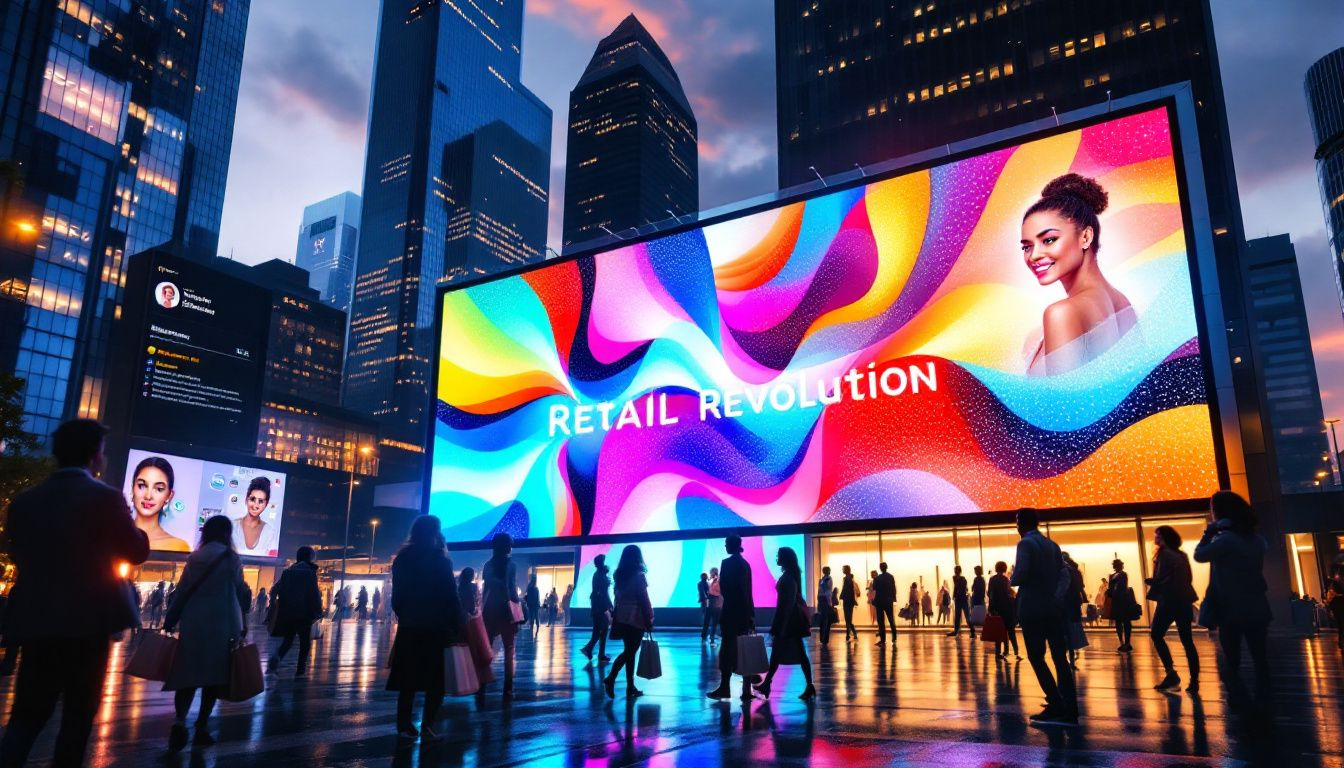
Retail PR tactics are crucial tools for implementing effective PR strategies. Building relationships with media professionals is one of the most crucial tactics.
Creative campaigns, like Auntie Anne’s perfume campaign or Dwolla’s 90-day PR strategy, have demonstrated the power of innovative PR tactics to boost brand visibility.
Crafting Press Releases
Creating effective press releases is a key tactic in retail PR. An effective press release includes a headline, summary, date, location, background paragraph, boilerplate, and call to action. Retail businesses can engage local media by providing interesting stories and colorful copy that resonate with media outlets.
Press release distribution services can help distribute press releases to a wider audience, increasing the chances of media coverage. Content that aligns with audience interests and tells a compelling story is more likely to capture media attention.
Leveraging Social Media
Social media is a vital tool for real-time engagement and shaping brand perception in retail. Platforms like TikTok and Instagram can be used to develop a distinctive brand personality and engage with the audience in a more personal and immediate way.
Engaging with media contacts through social media can also strengthen PR efforts and enhance media relationships. Social media allows for sharing company news, product launches, and other updates in real-time, keeping the audience informed and engaged.
Hosting Events and Sponsorships
Hosting community events and sponsorships can enhance a brand’s local presence and strengthen customer trust. These events provide opportunities for direct interaction with customers, media professionals, and other stakeholders, fostering stronger relationships and enhancing brand visibility.
Developing a Retail PR Campaign

Developing a successful retail PR campaign involves several key steps. The first step is to list your goals and what you hope to accomplish. These goals could include enhancing company image, launching a product, or connecting with a larger audience.
Measurable objectives aligned with overall business goals are crucial for effective evaluation.
Setting PR Goals
Specific and measurable goals guide the direction of a retail PR campaign. Utilizing the SMART criteria (Specific, Measurable, Achievable, Relevant, Time-bound) can help define effective goals for PR campaigns.
Knowing the audience and their unique needs is essential when setting PR goals. Conducting research before drafting PR content helps create relevant messaging that resonates with the audience.
Identifying Target Audience
Identifying the right target audience means understanding their preferences and how they relate to your PR message. This understanding is pivotal for engaging effectively with the audience and crafting PR messages that resonate with their unique needs.
Creating High Quality Content
Creating high-quality content involves packaging story components clearly to make the content more engaging and self-explanatory for the audience. Regularly observing competitor strategies allows retailers to adjust their approaches effectively and create relevant content.
Measuring PR Success
Measuring the success of retail PR efforts requires a combination of quantitative and qualitative methods. Evaluating PR campaigns involves setting measurable objectives and employing relevant metrics to assess performance accurately.
Tracking Media Coverage
Monitoring media coverage is essential for determining the overall reach and visibility of PR efforts. Tracking brand mentions across media outlets helps assess PR reach and campaign impact.
Tracking and measuring retail PR results provide insights into the effectiveness of strategies.
Analyzing Customer Feedback
Customer feedback improves brand perception and gauges how well a PR campaign resonates with its target audience. Customer feedback can highlight both strengths and weaknesses of a PR campaign, providing valuable insights for future improvements.
Adjusting Strategies
Businesses must continuously adapt their PR strategies to reflect changes in the retail technology landscape. Regular adjustments based on performance metrics and market trends ensure that PR efforts remain effective and relevant.
Collaborating with PR Professionals
Working with experienced PR professionals can significantly enhance a retailer’s PR efforts. A PR agency helps retailers publicize and grow their businesses effectively, leveraging the agency’s expertise and resources.
Managing their own PR can be time-consuming and difficult for many retailers, making external help a valuable asset.
Choosing the Right PR Agency
Hiring a PR agency becomes essential when internal resources are insufficient for effective PR management. Retailers should consider factors such as the agency’s experience, track record, and understanding of the retail industry when making their selection.
Building a Strong Partnership
Building a strong partnership with a PR agency involves regular communication, data sharing, and establishing key performance indicators (KPIs) to evaluate the collaboration’s effectiveness. Collaborative initiatives with shared goals can improve brand awareness, increase sales, and optimize customer engagement.
Case Studies in Retail PR
Real-world case studies show how tailored retail pr strategies enhance brand perception and visibility in the retail business through a focused retail pr strategy.
These examples offer valuable insights and inspiration for developing your own PR campaigns.
Transforming Market Perception
Discover Puerto Rico’s collaboration with Van Leeuwen Ice Cream effectively reshaped its image by linking local culture with innovative products.
Retail technology companies can learn from this case about the power of strategic partnerships and cultural alignment in rebranding for a retail company.
Achieving Industry Recognition
Retail brands can gain notable industry stature through well-executed public relations strategies that resonate with their target audience. Effective PR can lead to industry accolades and recognition, further enhancing the brand’s credibility and reputation.
Staying Ahead of Market Trends
Adapting PR tactics based on performance metrics keeps you relevant in a changing market. Regularly analyzing performance data allows PR teams to pivot strategies effectively in response to market trends.
Monitoring Competitors
Staying aware of industry shifts is essential for adapting PR strategies effectively. Monitoring competitors offers insights into their strategies, helping your brand stay competitive in the retail market. Observing others helps identify opportunities and avoid potential pitfalls.
Leveraging Innovation
Advanced technologies like AI are crucial for creating personalized customer experiences in retail. Adopting new technologies in digital pr efforts can significantly enhance communication with target audiences.
Predictive analytics help PR professionals anticipate trends and adjust strategies proactively, keeping your brand ahead of the curve. Automating routine tasks in PR improves productivity, allowing teams to focus on strategic initiatives.
Summary
In summary, effective retail PR strategies are essential for enhancing brand visibility, building customer loyalty, and improving media relationships. By understanding both proactive and reactive PR strategies, developing a well-crafted PR campaign, and leveraging key tactics like press releases and social media, retailers can significantly boost their brand’s visibility. Collaborating with experienced PR professionals and staying ahead of market trends through innovation and monitoring competitors are also crucial for long-term success. Implementing these strategies can transform your brand’s market perception and help achieve industry recognition. So, take these insights and let them guide you in making your brand shine.
Curious to learn more about how Salient PR can elevate your public relations? Visit our website to explore our services and success stories.
Frequently Asked Questions
What is retail PR?
Retail PR is essential for managing communications between a retail business and its audiences, helping to build and maintain a positive brand image. This includes engaging with customers, employees, and the media effectively.
What are proactive PR strategies?
Proactive PR strategies involve crafting and promoting positive brand narratives through news about new customers, partnerships, and community engagement to generate press opportunities. By focusing on these areas, organizations can effectively shape their public perception.
How can effective retail PR enhance brand awareness?
Effective retail PR enhances brand awareness by leveraging storytelling, influencer partnerships, and strategic media coverage to boost visibility and recognition in the market. By engaging audiences through these methods, brands can significantly increase their reach and impact.
Why is it important to build strong media relationships?
Building strong media relationships is essential for enhancing visibility, reputation, and audience reach while fostering goodwill during potential challenges. These connections can significantly influence public perception and crisis management.
How do you measure the success of a PR campaign?
To measure the success of a PR campaign, track media coverage, analyze customer feedback, and adjust strategies based on performance metrics. This approach ensures you remain aligned with market trends and can effectively gauge your campaign's impact.