
Top 7 Tips to Effectively Publish a Press Release
Looking to publish a press release that stands out? We’ll show you how to craft, format, and distribute your press release for maximum impact.
Key Takeaways
Craft a newsworthy angle and use a compelling headline and subheader to engage journalists and audiences.
Build a targeted media contact list and personalize outreach to enhance the effectiveness of your press release distribution.
Track performance metrics and adapt your strategy based on feedback to continually improve the impact of your press releases.
Crafting a Newsworthy Press Release
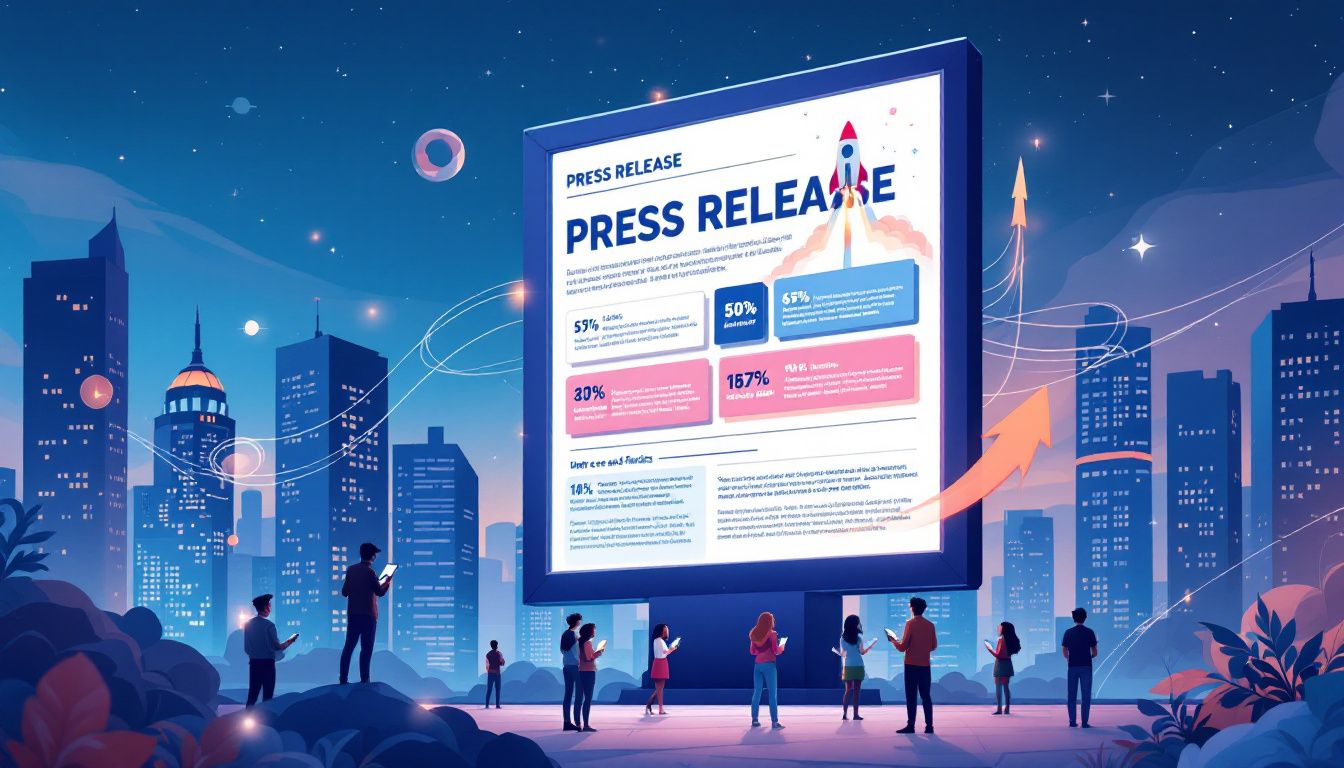
Begin with a newsworthy angle for your press release. Whether it’s a milestone, community announcement, or event, your story should resonate with your target audience. Human interest elements and high-profile individuals can enhance media coverage. Press releases are a vital industry tool for marketing professionals to communicate with journalists about newsworthy events. To maintain reader engagement, keep your press release concise, generally around 400 to 500 words.
Your headline is crucial—ensure it’s attention-grabbing and accurate. Avoid clickbait and exaggerations to maintain credibility. A compelling subheader should briefly summarize the main points to engage the reader.
A clear and concise format, including a dateline, body paragraphs, quotes, call to action, and a boilerplate message, ensures easy reading. Highlight the impact of your announcement on the audience to pique journalists’ interest. Using the inverted pyramid style, where information is presented in descending order of importance, can further enhance readability.
Unique aspects like a new product launch, charitable initiative, or leadership change add value to your press release. Aim to retain the journalist’s attention and make your story irresistible. Including relevant data and statistics can also build credibility and strengthen your message.
Make sure your press release aligns with the audience’s interests. Tailoring your content increases the chances of it being picked up by media outlets. Focus on these key elements to craft a press release that informs and captivates. Additionally, ensure the tone remains formal and avoids casual language to maintain professionalism. Avoid using industry jargon to ensure your press release is accessible to a broader audience.
Proper Formatting for Press Releases
A well-structured press release includes a headline, subheader, dateline, body, quotes, company information, logo, and media contact details. This ensures professionalism and ease of navigation, increasing the chances of an effective press release being published. Including a quote can add a personal touch and credibility to your announcement, making it more engaging for readers. Supporting details and quotes from key stakeholders should also be included to further enhance credibility and expand on the lead.
The dateline provides essential information like the date and location, typically in bold, allowing journalists to quickly grasp the context. The body should be divided into clear, concise paragraphs, each focusing on a specific aspect.
Conclude with a boilerplate message about your company and an end notation (### or -30-). Clearly present contact details for media inquiries to facilitate follow-ups. A well-formatted press release enhances your credibility with media outlets.
Building a Media Contact List
A robust media contact list ensures effective distribution. Target relevant media outlets with audiences that would find your announcement relevant. Start by researching reputable media outlets that align with your content. Mailing a press release to poorly targeted lists can lead to being blacklisted by media outlets, so ensure your list is precise and relevant. When sending a press release, ensure it is sent only to journalists with whom you have established relationships.
Targeted distribution channels can significantly improve engagement. Industry-specific publications enhance visibility among niche audiences, while local newspapers and trade publications help reach a broader, relevant audience.
Building relationships with journalists is crucial. Persistence and personalized outreach can pay off over time, even if not every pitch results in immediate coverage.
Researching Media Outlets
Researching media outlets is the first step in building an effective distribution list. Tools like Google News and SimilarWeb help discover outlets and analyze audience demographics. Keep your media contact list up-to-date as journalists frequently change roles or outlets, ensuring your outreach remains accurate and effective.
Investigate current industry trends to craft angles that resonate with the media. Aligning your press release with trending topics increases the likelihood of coverage. This ensures your press release reaches the right audience, maximizing its impact.
Compiling Journalist Contacts
Compiling journalist contacts is crucial to your media outreach strategy. Target the right journalists to ensure success. Don’t limit yourself to traditional journalists; bloggers, podcast hosts, and social media influencers also play significant roles. You should only send press releases to journalists who are willing to accept unsolicited press releases.
Consider each journalist’s past articles, audience interests, and coverage relevance when selecting them for your press release. Tools like Hunter.io, publications’ websites, and LinkedIn are valuable resources for locating email addresses.
Maintain a media contact list that includes outlets, contact persons, details, audience data, and submission guidelines for effective outreach.
Writing an Effective Email Pitch
An effective email pitch is your gateway to media attention. Personalize your pitches by addressing the journalist by name and referencing their previous work to enhance engagement. A clear and compelling subject line is crucial for catching attention.
Your email pitch should be concise and to the point, given journalists’ limited time. Include a clear call to action to reinforce your story’s relevance to their readership.
Incorporate these key elements to craft an email pitch that stands out and compels journalists to cover your story.
Timing Your Press Release Submission
Timing is crucial for press release submission. Timely information is more likely to attract media coverage. Submit press releases between 10 a.m. and 2 p.m. on weekdays, particularly Thursdays, for higher visibility.
Send press releases on Tuesdays through Thursdays to enhance engagement. Sending a reminder press release 2-3 days before an event can maintain momentum and reach a broader audience.
Strategically timing your press release submissions maximizes their impact and ensures they reach the right audience at the right time.
Distributing Your Press Release
Effective distribution requires a combination of strategies. Build your media contact list and write an effective email pitch before sending out a press release. Include journalists, bloggers, and influencers relevant to your industry. Distribute your press release strategically to the right journalists on relevant platforms, such as industry news feeds and social media, to maximize its reach.
Using press release distribution services can streamline the process of distributing press releases and efficiently reach journalists. Additionally, paid press release services can help send press releases to free sites and tip lines for major outlets to widen exposure opportunities. Many businesses leverage these services to manage their public relations more effectively, enhancing the overall impact of their efforts.
Niche PR sites offer another submission option, though their effectiveness depends on industry relevance.
Self-Submission Techniques
Self-submission techniques involve directly targeting interested editors, journalists, and reporters. Avoid purchased lists to maintain credibility. Including images and graphics can enhance engagement. However, sending press releases manually can be time-consuming compared to using a distribution service.
Tailor your email pitches to each contact for relevance and personal connection. Manually sending press releases can be time-consuming but allows for more personalized outreach.
Track submissions and outcomes by maintaining a spreadsheet with metrics.
Using Distribution Services
Distribution services can significantly broaden your outreach. Choosing a reputable service provides better results and faster publication compared to free options. Paid services enhance coverage by reaching thousands of media contacts.
These services often require payment, but the investment can be worthwhile for the exposure they provide. Services like EIN Presswire and Newswire can also help submit your press release to Google News, increasing visibility. Hiring a press release distribution service can save time and resources for businesses, making it a valuable option for many.
For small businesses and industry-specific announcements, using a reputable distribution service can be transformative.
Tracking Press Release Performance
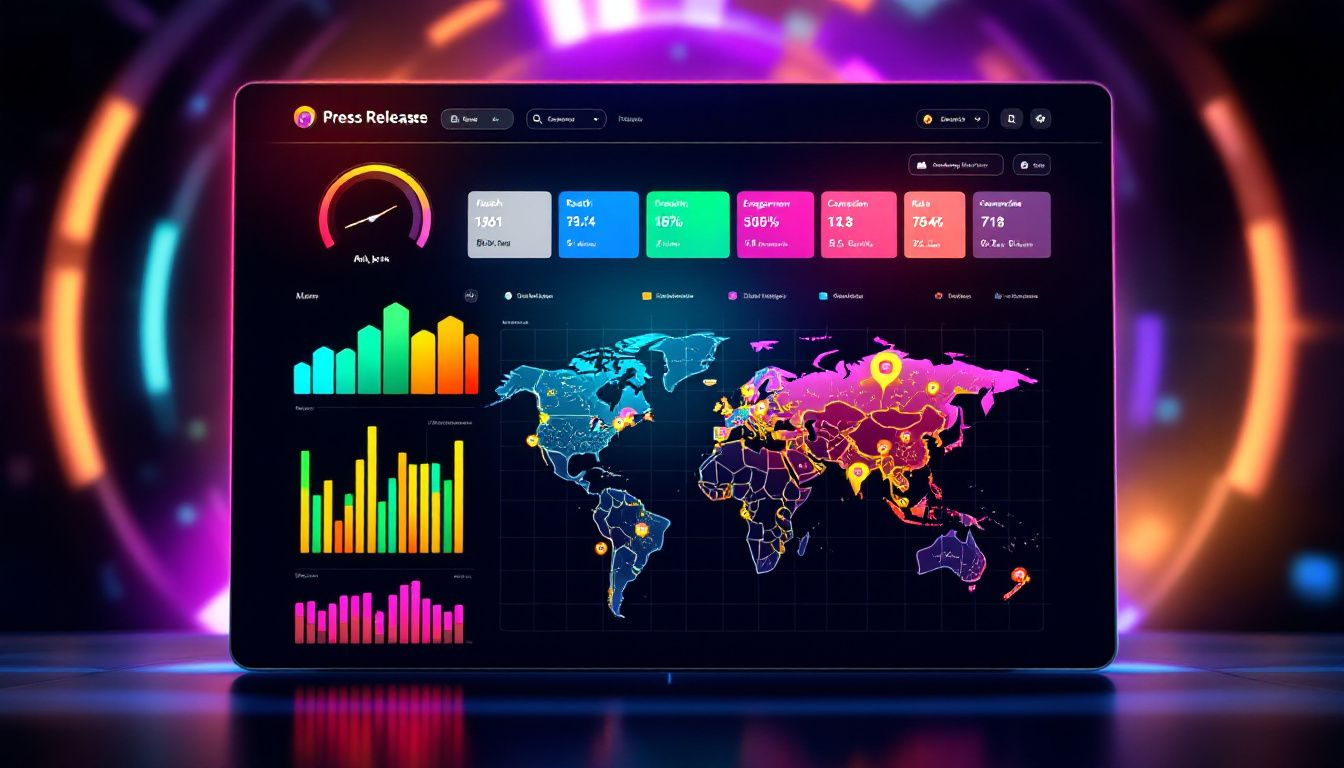
Tracking press release performance is crucial for measuring ROI. Set clear goals like increasing brand awareness or driving web traffic as benchmarks for success. Engagement metrics, including clicks and shares, are vital for assessing effectiveness. High-quality press releases can also establish a company's reputation as an industry leader, further enhancing their value.
Analytics tools help identify the demographics most interested in your press release, ensuring future communications target the right audience. Analyzing metrics like visibility and media coverage helps measure campaign success.
Sharing a good press release results on social media can boost visibility and engagement.
Following Up with Journalists
Follow up with journalists to gauge interest and enhance coverage. Most recommend limiting follow-ups to one to avoid being blocked. Reach out two to three days after your initial pitch, between 8:00 a.m. and noon.
Effective follow-up messages should be succinct, reiterating the original pitch’s relevance. Building personal relationships with journalists improves the chances of your press release being noticed.
Preparing for potential questions from journalists demonstrates confidence and can improve coverage chances.
Adapting Your Press Release Strategy
Adapting your press release strategy based on feedback and results is essential for continuous improvement. Providing multiple angles can increase the likelihood of a journalist finding a fit. If the initial pitch did not receive a response, consider a new angle or timely update in the follow-up.
Pre-event announcements about two weeks prior generate media interest, while post-event recaps can extend the life cycle by showcasing experiences and insights.
Sharing your press release on social media, creating infographics, and linking it in email newsletters can boost exposure.
Summary
Mastering the art of press release distribution involves crafting newsworthy content, targeting the right media outlets, and effectively timing your submissions. By following these steps, you can enhance your media outreach and ensure your announcements receive the attention they deserve.
Remember, the key to success lies in continuous adaptation and improvement. By tracking performance and refining your strategies, you can achieve greater media coverage and drive impactful results. Take these insights and start crafting compelling press releases that captivate and engage your audience. Using relevant keywords within a press release can also enhance its visibility in searches, ensuring it reaches the right audience.
Curious to learn more about how Salient PR can elevate your public relations? Visit our website to explore our services and success stories.
Frequently Asked Questions
What makes a press release newsworthy?
A press release is newsworthy when it highlights significant milestones, community events, or relevant information that resonates with the target audience. Ensuring it connects meaningfully will increase its impact and reach.
What is the proper format for a press release?
The proper format for a press release includes a headline, subheader, dateline, body paragraphs, quotes, a call to action, and a boilerplate message. Each section serves a specific purpose to convey your message clearly and effectively.
How do I build a media contact list?
To build an effective media contact list, research relevant media outlets and compile contact information for journalists while ensuring the data is regularly updated. This will help you maintain strong relationships with the media.
When is the best time to send a press release?
The ideal time to send a press release is between 10 a.m. and 2 p.m. on weekdays, specifically from Tuesday to Thursday, for maximum visibility and engagement.
How can I track the performance of my press release?
To effectively track the performance of your press release, establish clear goals and utilize analytics tools to measure engagement metrics, visibility, and media coverage. This approach allows you to assess its impact on your audience and refine future strategies.