
How Write Press Release: Top Tips and Strategies
Want to capture media attention with your news? Knowing how write press release is key. This guide covers everything you need to craft an effective press release that gets noticed.
Key Takeaways
A press release is a strategic communication tool designed to announce important company news while capturing media interest and enhancing brand visibility.
Key components of an effective press release include a compelling headline, a strong lead paragraph answering key questions, and a structured body following the inverted pyramid format.
Optimizing press releases for SEO by incorporating relevant keywords and using backlinks can significantly improve their visibility and reach within targeted audiences.
Understanding the Basics of a Press Release
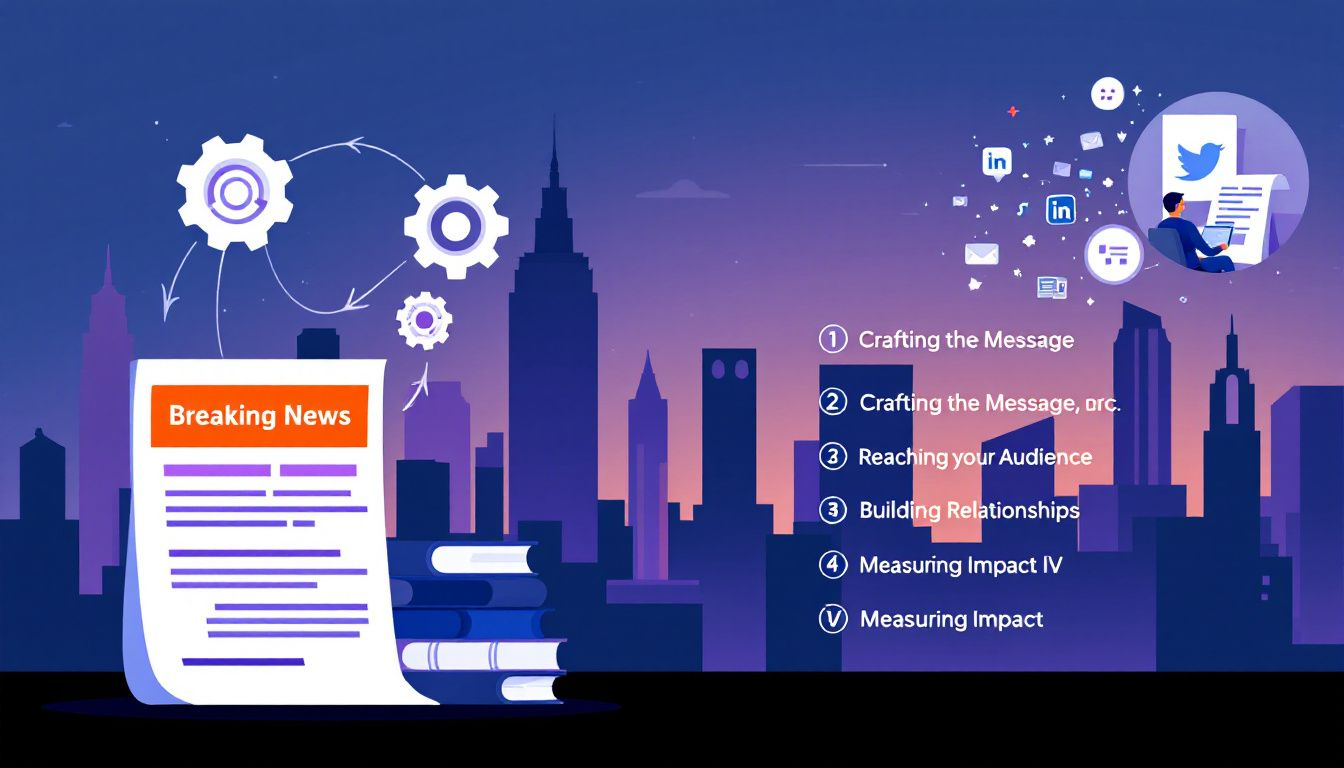
A press release serves as a concise, official statement to announce newsworthy stories about your brand. Its primary purpose is to convey significant corporate news in a structured format that captures media interest and enhances brand visibility. A good press release should be concise, informative, and capable of capturing attention immediately. Press releases should be created any time an organization wants media attention for a major event. They can be used to announce various types of news, including product launches, mergers, and events. A breaking news press release is the most common type, used to share timely updates.
Keeping a specific word count helps present key messages clearly and concisely without overwhelming the reader. Crafting a press release involves informing, captivating, and persuading your audience.
Definition and Purpose
A press release is a strategic tool designed to announce important company news in a way that captures journalistic interest. It provides control over the narrative surrounding your brand and helps tell your organization’s story during significant changes and events. Consistently distributing press releases helps build mindshare with journalists, enhancing your brand’s media strategy and recognition.
Essentially, a first press release is a concise document that conveys significant corporate news in a structured format, designed to be factual and facilitate media coverage.
Key Components
A standard press release must include essential elements such as a headline, dateline, lead paragraph, body, boilerplate, and contact details. The headline should be attention-grabbing and summarize the news. The dateline indicates the publication timing and location, usually placed in the upper left corner.
The lead paragraph should answer the critical questions of who, what, why, and where. The body of the press release provides supporting details, relevant data, and quotes to enhance the narrative. Journalists prefer information organized in the inverted pyramid style, with the most critical information presented first.
The boilerplate section offers a brief overview of the company, including its mission and history. Finally, the contact information section should include the name, job title, email, and phone number of the public relations liaison. A boilerplate is a standard paragraph at the end of a press release that provides background information about the company.
Steps to Writing an Effective Press Release

Creating an effective press release requires several steps to make sure your announcement is newsworthy, clear, and engaging. The process begins with identifying your target audience and understanding their demographics and preferences.
Next, craft an attention-grabbing headline and a strong lead paragraph summarizing the key details of your announcement. The body of your press release should follow the inverted pyramid structure, presenting the most important information first, followed by supporting details and quotes.
Finally, include a clear call to action and ensure the overall content is credible and authoritative.
Identify Your Target Audience
Knowing your target audience is essential for creating a relevant press release. Knowing the demographics and preferences of your audience helps tailor the content to their interests, increasing the likelihood of engagement.
Building relationships with journalists is vital for successful media outreach and increases the likelihood of coverage. Personalized email pitches are preferred by journalists, who favor direct communication over mass emails.
Getting feedback from colleagues can offer diverse perspectives that enhance the quality of your press release.
Craft an Attention-Grabbing Headline
A compelling headline captures attention and encourages readership of the press release. An effective headline should be catchy yet easy to understand, convey the main benefit, and highlight the significance of the announcement. The recommended length for a press release headline is 70 characters or less to ensure clarity and impact. The headline is the first thing a reporter sees and often determines if they will read further.
Incorporating compelling hooks in headlines can effectively highlight who, what, and why, making the announcement more intriguing.
Write a Strong Lead Paragraph
The lead paragraph should summarize the key details of the announcement to engage the reader immediately. It should succinctly answer the critical questions of who, what, why, and where.
Using the 5 Ws (Who, What, When, Where, Why) in the opening engages readers and enhances clarity. This approach ensures that the reader understands the most important aspects of the news right from the start.
Develop the Body with Supporting Details
The body of a press release should follow the inverted pyramid structure, where the most important information is presented first. This structure helps readers digest information quickly and effectively. Include relevant data, quotes, and supporting details to provide context and support your main message.
Avoid overly long and self-promotional content that can deter journalists from covering your story. Instead, focus on providing valuable and newsworthy content that engages the audience. Including a call to action in your press release directs readers to take the next step, ensuring your audience knows how to engage further with your announcement. Additionally, avoid overly promotional language in your press release to maintain credibility with journalists.
Include a Clear Call to Action
A clear call to action tells readers what steps to take next or how to get more information. This could involve visiting a website, contacting a representative, or attending an event.
Ensure the call to action is prominent and easy to follow, guiding the reader towards a specific action that aligns with the goals of your press release.
Add Credibility with Quotes
Quotes in a press release add context, authority, and human interest, resonating with journalists and readers alike. Include one or two quotes from key stakeholders such as executives or project leads to underscore the announcement’s significance.
Effective quotes should be authentic and relatable while ensuring they provide relevant information that aids media contacts’ understanding of the story. Choose quotes that emphasize the core of the announcement, ensuring they add credibility and detail to the press release.
Optimizing Your Press Release for SEO
Optimizing your press release for SEO is essential for enhancing its visibility and reaching a broader audience. This involves incorporating relevant keywords, optimizing headlines and subheadings, and using backlinks and hyperlinks effectively.
Following these strategies can improve your press release’s search engine ranking and ensure it reaches the intended audience.
Incorporate Relevant Keywords
Keywords are crucial for improving visibility and ensuring that your press release reaches the intended audience. Identify keywords that reflect your announcement, industry terms, and terms that your target audience is likely to search for.
Use tools like keyword planners to analyze trending keywords relevant to your topic and audience. Strategically place keywords in the headline, subheadings, and throughout the body of the press release for maximum impact.
Optimize Headlines and Subheadings
An effective headline should incorporate essential keywords and evoke emotions to capture attention. Headlines should avoid jargon, clearly convey the content, include target keywords, and provoke an emotional response. Using action-oriented language in headlines can increase click-through rates and engagement.
Subheadings should complement the main headline with additional keywords or phrases relevant to the content.
Use Backlinks and Hyperlinks
High-quality backlinks are viewed by search engines as endorsements, improving your site’s authority. Brand mentions and backlinks are crucial for awareness and SEO, indicating credibility and authority to search engines.
Hyperlink the sources in your press release to enhance credibility and provide easy access to referenced materials. When using proprietary data, ensure that news outlets link back to the report when citing the data, which enhances backlink opportunities.
Formatting Your Press Release
Proper formatting ensures your press release is professional and readable, increasing the likelihood that it will be taken seriously by media outlets. A standard press release format includes a headline, dateline, lead paragraph, body paragraphs, call to action, boilerplate, and contact information. This consistent format makes it easy for reporters and editors to find the information they need.
Maintaining conciseness and including visual elements can further enhance the effectiveness of your press release.
Standard Press Release Format
The standard format for a press release includes several key components: a compelling press release title, a dateline indicating the publication timing and location, a lead paragraph summarizing the key details, body paragraphs providing supporting details and quotes, a boilerplate with company information, and contact details for media inquiries. Additionally, using a free press release template can help streamline the process to write a press release.
Starting with “FOR IMMEDIATE RELEASE” and ending with three pound signs (###) indicates the beginning and end of the document. This professional layout helps journalists quickly find the information they need.
Length and Conciseness
A press release is typically recommended to be between 300 to 500 words. This word count generally allows it to fit onto one page. While two pages can be acceptable for more complex topics, maintaining brevity ensures the press release remains clear and engaging.
Focus on delivering only the most pertinent details in a concise manner, avoiding unnecessary fluff. This approach keeps the reader’s attention and makes the key information more digestible.
Visual Elements
Incorporating visual elements like images and logos can significantly enhance the appeal and effectiveness of a press release. Visual aids such as photographs or graphics provide context and can engage the audience more effectively. Multimedia elements, such as high-resolution images or videos, can enhance the engagement level of the press release.
Place the company’s logo strategically, often at the top or bottom center of the press release, to maintain a professional appearance. Including relevant visuals not only makes the press release more attractive but also helps convey the message more clearly.
Distribution Strategies for Maximum Reach
Once your press release is crafted and formatted, the next step is to distribute it effectively to maximize its reach. Traditional distribution methods include publishing on your website or blog, sharing via social media, and emailing to media contacts. To write press releases effectively, consider these methods for optimal impact.
However, utilizing press release distribution services, direct outreach to media outlets, and leveraging social media can significantly enhance your press release’s impact. Sustained effort in distribution is key to successful publicity.
Utilize Press Release Distribution Services
A press release distribution service can greatly enhance the reach of your announcement by connecting you with targeted audiences, including a news outlet. PR Newswire, for example, reaches over 170 countries through its extensive network.
These services can send your press release to journalists based on their interests and publish it on their websites, increasing the chances of media coverage. While costs can range from $69 to several thousand dollars, investing in a distribution service can be a worthwhile part of your marketing strategy.
Direct Outreach to Media Outlets
Direct outreach to media outlets involves sending your press release directly to journalists and editors. Tools like Prowly can help you find relevant journalists for your press release. Having their contact information and understanding their interests is essential for crafting effective email pitches.
An attention-grabbing subject line that encapsulates the essence of your press release can increase the likelihood of it being opened and read. Tailoring your approach and angles to different media outlets can also improve your chances of coverage.
Leverage Social Media and Online Platforms
Social media and online platforms are essential for maximizing the reach of your press release. Sharing your press release across social media channels can engage a wider audience and foster interaction. Utilize platforms like Twitter, LinkedIn, and Facebook to distribute your press release and create opportunities for further discussions and feedback.
Engaging with your audience through these channels can also enhance your brand’s visibility and credibility.
Reviewing and Refining Your Press Release
Thorough editing enhances the overall quality and effectiveness of your press release. Proofreading helps eliminate errors and ensures clarity and accuracy before publishing. Additionally, seeking feedback from colleagues can provide fresh perspectives and highlight areas for improvement.
Finally, ensure all necessary approvals have been obtained from key stakeholders to validate the content and messaging before distribution.
Proofreading Tips
When proofreading your press release, look out for typos, misspelled names, incorrect dates, and missing information. The first step is to review for typos and grammar errors to enhance clarity.
Consider using tools like an AI paragraph rewriter to further refine your text. Making sure the release is error-free is essential to maintaining a professional image.
Seeking Feedback
Seeking feedback from colleagues or professionals can significantly improve the quality of your press release. A good practice is to ask a colleague to read the press release without context and relay the information back to you. This helps ensure the message is clear and understandable.
Re-reading for purpose and clarity of the message is also important during the proofreading process.
Final Edits and Approval
Before distributing your press release, conduct a final read-through to fix any confusing parts and double-check the formatting. Common proofreading techniques include reading the release out loud, checking for grammar and punctuation errors, and ensuring consistency in style.
Obtaining necessary approvals from key stakeholders ensures the content and messaging are accurate and aligned with your objectives.
Examples of Effective Press Releases
Reviewing examples of effective press releases can provide valuable insights into best practices and increase the chances of your release being noticed. Successful press releases follow a standard structure and include compelling headlines, clear summaries, and supporting details.
Analyzing these press release examples can help you craft a more impactful press release.
Product Launch Example
A product launch press release should clearly state the news and mention the unique selling proposition. Including a high-quality photo of the product can enhance the release’s appeal. Product launch press releases are designed to announce new products and drive sales.
Summarizing product features using a bulleted list is an effective way to present key information. Notable examples include Apple’s product announcement press releases, which allow journalists to easily extract facts, details, and quotes.
Event Announcement Example
An event announcement press release should have an engaging headline that captures the essence of the event. The lead paragraph should include key details such as the what, when, where, and why of the event to hook the reader.
The body should contain supporting details like the event’s significance, featured guests, and any unique aspects. Including quotes from key stakeholders adds authority and a personal touch to the announcement. Awards press releases, for example, highlight a company's achievements and recognition in their industry, making them an effective way to showcase success. Executive promotions press releases announce changes in leadership roles within a company.
Partnership Announcement Example
A partnership announcement press release is newsworthy because it serves as a smart marketing tool for both companies involved. It should include benefits, features, and necessary direct quotes about the collaboration. Summarizing information about each participating company provides context and enhances the announcement. Mergers and acquisitions press releases inform stakeholders about significant organizational changes.
Including additional media elements like a behind-the-scenes video can make the announcement more engaging.
Summary
Crafting an effective press release involves understanding its basic components, following a structured writing process, optimizing for SEO, formatting properly, and employing strategic distribution methods. Each step plays a crucial role in ensuring your press release captures media attention and achieves the desired publicity.
In summary, a well-crafted press release should be concise, informative, and engaging. By incorporating relevant keywords, using visual elements, and leveraging distribution services, you can maximize its reach and impact. Remember to review and refine your press release to eliminate errors and ensure clarity. With these strategies, you can create press releases that stand out and effectively communicate your brand’s news to the world.
Curious to learn more about how Salient PR can elevate your public relations? Visit our website to explore our services and success stories.
Frequently Asked Questions
What is the primary purpose of a press release?
The primary purpose of a press release is to communicate important corporate news in a way that engages the media and boosts brand visibility. This structured format helps ensure your message reaches a wider audience effectively. A good way to gauge the newsworthiness of your story is to pay attention to the coverage that other businesses receive.
How long should a press release be?
A press release should ideally be between 300 to 500 words, fitting onto a single page for clarity and conciseness. This length ensures that your message is communicated effectively without overwhelming the reader.
What are the key components of a press release?
A well-structured press release includes a headline, dateline, lead paragraph, body, boilerplate, and contact details. These elements ensure clarity and facilitate effective communication with your audience.
How can I optimize my press release for SEO?
To optimize your press release for SEO, include relevant keywords, craft compelling headlines and subheadings, and utilize high-quality backlinks and hyperlinks. This approach will enhance visibility and engagement.
What is the benefit of using a press release distribution service?
Using a press release distribution service significantly boosts the visibility of your news by reaching targeted audiences and improving the likelihood of media coverage. This targeted approach can lead to more effective communication and greater exposure for your message.