
How to Write a Press Release Statement: Expert Tips and Templates
Want to attract media attention? Learn how to write a press release statement that gets noticed. This guide covers the essential steps and key elements for creating an effective press release. By the end, you’ll be ready to craft a compelling statement.
Key Takeaways
A press release is a strategic communication tool that enhances brand visibility by conveying essential information clearly and concisely.
Key elements of a press release include a compelling headline, a strong lead paragraph answering the five Ws, and relevant quotes to add credibility.
Avoid common mistakes like using excessive jargon, long sentences, and promotional language to maintain professionalism and ensure media coverage.
Understanding a Press Release Statement
A press release is a written statement designed to capture media interest and promote brand visibility. Unlike media advisories, which are brief and to the point, press releases resemble articles and incorporate factual information and quotes to tell a compelling story. They serve as a cost-effective marketing tool, helping brands attract media attention without spending a fortune on advertising. Additionally, press releases provide immediate brand exposure from established publications, further enhancing their value.
The primary aim of a press release is to communicate essential details early and concisely, as journalists have limited time to read through lengthy documents. A well-crafted press release stands out by being concise and factually accurate, making it easy for journalists to extract the necessary information for their stories.
Press releases are versatile and can be used for various purposes, such as announcing a product launch, rebranding, or an upcoming event press release. Breaking news press releases are the most common type of press release. They provide a structured format that ensures important information is communicated effectively. Following the standard format helps create a press release that captures attention and fosters media coverage. Additionally, reviewing press release examples can enhance understanding of effective communication strategies. Press releases can also position a brand as an industry leader or authority, further solidifying its reputation. New partnerships press releases inform about collaborative efforts between organizations and their benefits, showcasing mutual goals and shared value.
In essence, a good press release is more than just an official statement; it’s a strategic tool that can significantly enhance your brand’s visibility and credibility. When picked up by journalists, press releases can also serve as a form of free advertising, amplifying their impact without additional costs. Moreover, press releases help companies build trust and authority with potential customers, further solidifying their reputation.
Key Elements of a Press Release Statement
A press release announcing follows specific guidelines to ensure it effectively communicates your message. Understanding the key elements of a press release is crucial for crafting an announcement that stands out. Most press releases contain six essential parts: a headline, summary, date and location, body, boilerplate, and an end symbol.
Each part plays a vital role in conveying the newsworthy angle of your announcement. The headline grabs attention, the summary provides a quick overview, the date and location set the context, the body delivers the main content, the boilerplate offers background information, and the end symbol signifies the conclusion of the press release.
A good press release enables journalists to pull facts, details, and quotes for their stories easily. By following this structure, you can create a free press release template that is both informative and engaging, increasing the likelihood to write a press release and gain media coverage.
Crafting each element carefully ensures that your press release is not only attention-grabbing but also provides all the pertinent details journalists need. Let’s delve into the specifics of each part and learn how to create an effective press release.
Crafting an Attention-Grabbing Headline
The headline is the first thing journalists see, and it plays a crucial role in attracting media attention. A compelling headline quickly conveys the essence of the press release and piques interest. It’s the hook that draws readers in, making them want to learn more.
An effective press release headline should convey the main benefit of the press release and focus on a newsworthy angle or perspective. It should be clear, catchy, and free of all capital letters or exclamation points, which can come across as unprofessional. Using numbers in a headline can significantly increase reader engagement, making the announcement more appealing.
Subheadlines should encapsulate and support the main headline, providing additional insight into the announcement. Crafting an informative and engaging headline effectively attracts media attention, increasing the likelihood of your press release being picked up by news outlets.
Writing a Strong Lead Paragraph
The lead paragraph is the most critical part of the press release, as it summarizes the most important details of the announcement. The response must address the five Ws. These are who, what, when, where, and why. This ensures that journalists can quickly grasp the key information and determine the relevance of the press release.
Media outlets often look for a newsworthy announcement and at least three of the five Ws to decide whether to cover the story. A clear and concise lead paragraph facilitates easy coverage by journalists, increasing the likelihood of media attention.
A strong lead paragraph captures interest from the start and ensures your press release effectively communicates essential details. This sets the stage for the rest of the press release, making it easier for journalists to follow the story.
Including Relevant Quotes
Quotes add credibility and human interest to a press release, making it more engaging and relatable. They are often sourced from key stakeholders, executive team members, and project leads. Including quotes from one or two critical speakers is usually optimal for a press release.
Effective quotes should emphasize the core of the announcement while sounding authentic to resonate with the audience. Select quotes from high-profile, credible sources to enhance the reliability of the press release. Including statistics and quotes can increase the engagement level and authority of the press release.
Incorporating relevant quotes adds depth, personalizes the message, and enhances the credibility of your press release. This makes the announcement more appealing to journalists and increases the chances of media coverage.
Detailed Step-by-Step Guide to Writing a Press Release Statement

Writing an effective press release involves following specific steps to ensure that your announcement is clear, concise, and engaging. There are seven essential steps to crafting a press release that stands out. Using the inverted pyramid structure ensures the most important details come first in the body content of a press release. Additionally, sending a press release under embargo allows journalists to prepare stories while not publishing until a specified date, ensuring timely and coordinated media coverage.
First, the initial paragraph should clearly explain who, what, and where related to the announcement. This sets the stage for the rest of the press release. A summary, ideally one to three bullet points or two to three sentences, should succinctly convey the main points.
The structure should follow the reverse pyramid formula, placing the most important information at the top. Additional elements like market influence and details of partnerships relevant to the announcement should be included to provide a comprehensive view. A call to action (CTA) can encourage further engagement and direct readers to where they can find more information, making the press release more interactive and actionable.
Following these steps ensures your press release is informative and engaging, boosting the chances of media coverage. Let’s break down each step in detail.
Identifying Your Target Audience

Understanding your target audience is crucial for tailoring the press release angle to match their interests. Targeting the right journalists is important; wrong targets can render well-written press releases ineffective. Familiarizing yourself with the specific interests and previous work of journalists can enhance pitch effectiveness. Maintaining a steady flow of press releases positions a company as a thought leader within its industry, reinforcing its authority and expertise.
Choosing appropriate distribution channels is crucial for effectively reaching your target audience. Integrating press releases within a broader marketing strategy can enhance brand messaging. Building relationships with journalists can significantly enhance public relations and media outreach efforts. Press release distribution increases brand mentions and backlinks, which are beneficial for SEO and brand authority, further amplifying the impact of your announcements.
Identifying your target audience ensures your press release reaches the right people, increasing the chances of media coverage and engagement.
Formatting Your Press Release

The standard format of a press release includes a headline, dateline, introduction, body, and boilerplate. The dateline is a crucial part of a press release and should be bold with the city name in capitals, followed by a dash. The date should follow the company’s city and state in the dateline. Including the publication date in the dateline is important for context.
The first paragraph of a press release should include the location of the event, the subject of the announcement, and three of the five Ws. The boilerplate section should consist of a brief company description, industry position, awards, and a website link. Typical components also include relevant contact information at the bottom of the press release. Contact information for media inquiries is essential and should be included in the release to facilitate easy communication with journalists.
The opening sentence of a press release should be a paraphrase of the headline. Including a logo in the press release assists in establishing brand identity and should be full-color and small-sized. A suggested length for a press release is between 250 to 500 words for clarity and engagement.
Following the standard press release format ensures your press release is clear, concise, and engaging, enhancing the likelihood of media coverage. Most press releases follow a standard format to facilitate easy reading for journalists, making it easier for them to extract key information quickly.
Adding Supporting Details and Background Information
Background information in a press release helps to establish context and enhances the reader’s understanding of the announcement. Including valuable details, such as a summary of important decisions, can strengthen the overall narrative. Incorporating statistics can provide concrete evidence and support the claims made in the press release. Awards press releases celebrate company achievements and industry recognition, bolstering the organization’s reputation as an industry expert.
Including valuable background information and relevant supporting details can significantly enhance the effectiveness of the press release. Providing a comprehensive view of the announcement ensures journalists have all the information needed to cover the story accurately.
Supporting details and background information add depth to your press release, making it more informative and engaging. This increases the chances of media coverage and enhances the credibility of the announcement.
Common Mistakes to Avoid

When drafting a press release, it’s crucial to have a specific purpose to effectively convey your message. A press release should serve as an official announcement, not as an advertisement or marketing content. Ensuring the news is truly noteworthy is essential for the press release to be picked up by media outlets. Using keywords in your press release helps it show up on search engines and makes it easier to find key information, increasing its reach and effectiveness. Additionally, press releases can accumulate backlinks that improve search engine ranking, further boosting visibility.
Conciseness is key; a press release should ideally be between 400 and 600 words, focusing on the essential details. A common mistake regarding the length of a press release is exceeding one page. Clear formatting is important in press releases as it facilitates easy use by journalists under pressure. The standard press release length is typically one page and can be a maximum of two pages, ensuring clarity and engagement without overwhelming the reader.
Proofreading and fact-checking are vital to maintain professionalism and accuracy in a press release. Avoid using jargon or overly promotional language, as clear and factual communication is preferred by journalists.
Avoiding these common mistakes results in a clear, concise, and engaging press release, increasing the likelihood of media coverage.
Tips for Enhancing Readability and Engagement
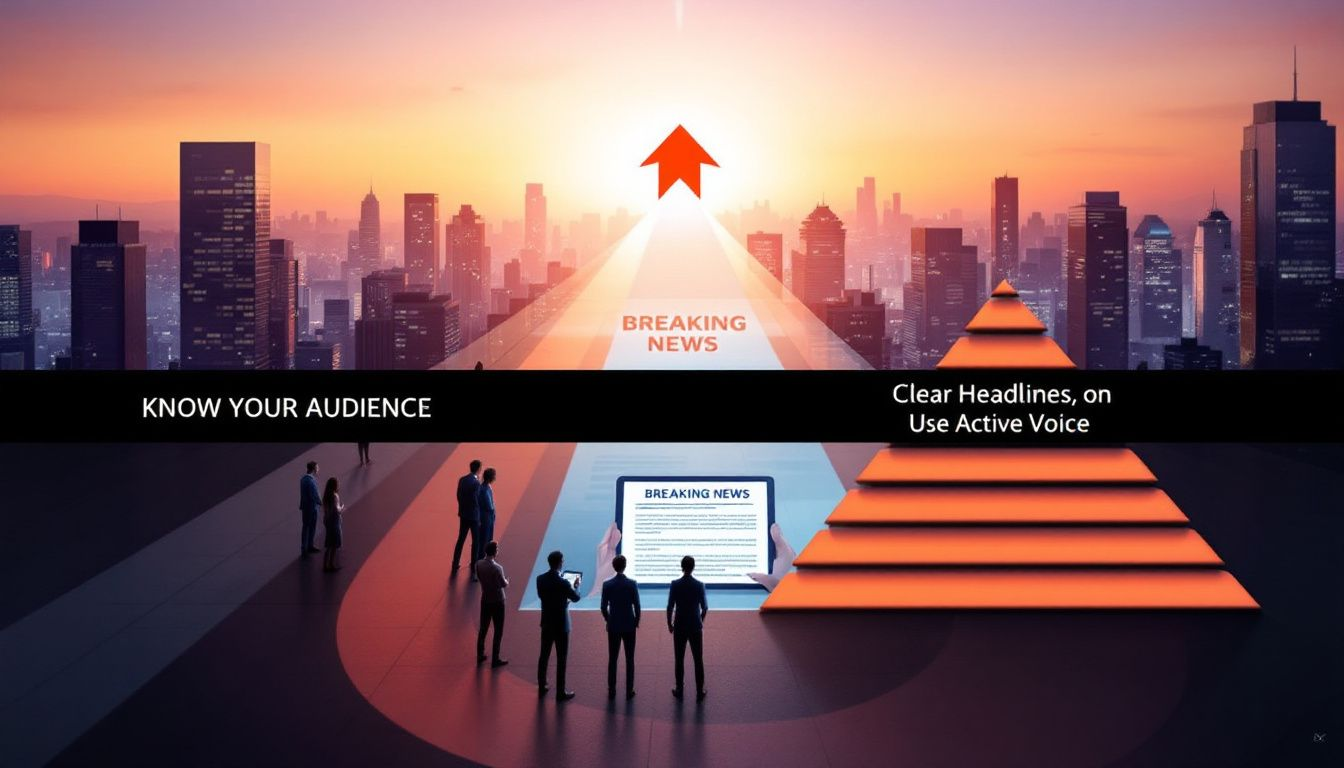
Short and direct sentences help convey the message clearly and maintain reader engagement. To improve clarity, avoid using jargon and acronyms that the audience may not understand. Avoiding overly promotional language maintains the credibility of the press release.
High-quality images and short videos can make the content more engaging and easier to comprehend. Incorporating multimedia elements can enhance the appeal and effectiveness of a press release. Including visuals like images or videos can significantly enhance the effectiveness of a press release.
Press releases should follow a clear structure, presenting the most important information at the beginning of the first press release. Press releases follow proofreading, which is crucial to eliminate errors and improve the overall professionalism of the release.
Following these tips helps you create a readable and engaging press release, boosting the chances of media coverage.
Press Release Templates and Examples

Press releases can vary in type, such as product launches, new hires, and rebranding, with templates aiding in structuring the announcement. A product launch press release should emphasize the benefits of the product. It should also outline the unique functions that differentiate it from competitors. Mergers and acquisitions press releases announce significant organizational changes and update stakeholders. Generating interest ahead of a product launch by clearly stating the product’s specifications, pricing, and availability is essential.
A new hire press release should announce major changes and introduce the leadership team to boost morale. Incorporating visual elements in a press release can increase engagement and improve message retention. Templates provide structured approaches for crafting an announcement, enhancing clarity and effectiveness.
When announcing a rebrand, include details on changes, reasons for change, and leadership quotes to provide clarity. By using a press release template, you can ensure that your press release follows a clear structure and effectively communicates the announcement. Executive promotions press releases announce changes in leadership positions within companies to stakeholders and the public, ensuring transparency and maintaining trust.
How to Distribute Your Press Release

Distributing your press release effectively is crucial for maximizing media attention and coverage. Early on a Tuesday is the best time to send out a press release to capture media attention. Crafting an attention-grabbing subject line when emailing press releases to journalists is essential, as email subject lines play a crucial role in the success of press release distribution by significantly impacting open rates.
Personalized messages to a few relevant journalists increase the chances of getting published. Offering editors an exclusive scoop can enhance the chances of getting published. Using public relations professionals enhances press release distribution success due to their existing relationships with media contacts. Using a reputable distribution service can help reach powerful media outlets like major publications and a media outlet. Distributing press releases through distribution services helps reach targeted journalists based on their specific interests, ensuring the message resonates with the right audience. Additionally, regular press releases can push down negative news about a brand in search results, helping to maintain a positive public image.
Digital channels like social media and email should be leveraged to share news about your press release. Sharing media coverage on social platforms enhances the reach and impact of the original press release. Having a dedicated media section on your website can also serve as a method to share press releases with the public. Charitable initiatives press releases highlight a company's community contributions and efforts to promote social causes, further enhancing its public image.
Summary
A well-crafted press release can significantly enhance your brand’s visibility and engage potential customers. By understanding the key elements of a press release, crafting an attention-grabbing headline, writing a strong lead paragraph, and including relevant quotes, you can create an engaging and effective press release.
Following a detailed step-by-step guide, identifying your target audience, and formatting your press release correctly are crucial for success. Adding supporting details and background information enhances the press release’s effectiveness, while avoiding common mistakes ensures clarity and professionalism.
Enhancing readability and engagement through short sentences, avoiding jargon, and incorporating multimedia elements can make your press release more appealing. Using templates and examples can provide structure and clarity, while effective distribution strategies ensure maximum media coverage.
By applying these tips and strategies, you can create a press release that captures attention and generates media coverage, boosting your brand’s visibility and credibility.
Curious to learn more about how Salient PR can elevate your public relations? Visit our website to explore our services and success stories.
Frequently Asked Questions
What is the primary aim of a press release?
The primary aim of a press release is to capture media interest and enhance brand visibility. By effectively communicating your message, you can make a significant impact and reach a wider audience!
What are the key elements of a press release?
To craft an effective press release, make sure to include a catchy headline, a concise summary, the date and location, a well-structured body, a boilerplate about your organization, and the end symbol. Incorporating these elements will capture attention and convey your message clearly!
How can I make my press release more engaging?
Make your press release more engaging by using short, direct sentences and avoiding jargon. Incorporate high-quality images or videos and ensure clear formatting to capture your audience's attention!
When is the best time to send out a press release?
The best time to send out a press release is early on a Tuesday, which can significantly boost your chances of gaining media attention. So mark your calendar and get ready to grab those headlines!
What are common mistakes to avoid when writing a press release?
To write an effective press release, avoid overly promotional language, keep it concise to one page, ensure a clear purpose, and always proofread for accuracy. These steps will help you make a strong impact!