
Essential Public Relations Terminology: Key Terms Every PR Professional Should Know
Understanding public relations terminology is essential for effectively navigating the PR industry. This guide covers key terms every PR professional should know, ensuring you can communicate clearly, implement strategies correctly, and maintain a strong professional standing.
Key Takeaways
Public relations involves strategic communication to build relationships between organizations and their audiences, emphasizing the importance of core concepts like audience engagement and reputation management.
Understanding the types of media coverage—earned, paid, and owned—is essential for PR professionals to effectively amplify brand messages and control communication.
Effective crisis communication and robust media relations strategies, including the use of press releases and media kits, are vital for managing public perception and enhancing organizational credibility.
Core Public Relations Concepts

Successful PR campaigns rely on a solid grasp of core public relations concepts. Public relations (PR) involves a strategic communication process to build mutually beneficial relationships between organizations and their publics. It requires a cohesive communication strategy that uses multiple channels to deliver consistent messaging and meet specific objectives. The ROPE model, which stands for Research, Objectives, Programming, and Evaluation, serves as a strategic framework in PR, guiding professionals through each stage of campaign development.
Storytelling plays a central role in PR, enabling brands to share their values and shape perceptions through emotionally impactful narratives. Audience engagement fosters interest and shapes public perception.
We will explore these foundational concepts, beginning with the definition and scope of public relations.
Public relations
Public relations extends beyond managing communications to building mutually beneficial relationships between organizations and their publics. This strategic process involves anticipating and analyzing public opinions and issues that might impact an organization’s operations. Understanding the audience’s needs allows PR specialists to create, plan, and execute campaigns that resonate with their target audiences. PR strategies are shaped by defining target audiences, determining messaging, selecting channels, and measuring success.
Corporate communications, a subset of PR, involves activities aimed at both internal and external audiences, ensuring transparency and fostering engagement. Proactive PR, involving media outreach through pitches and press releases, helps shape organizational narratives and manage public perception. PR strategies must be customized for different stakeholder publics to address their specific concerns and interests, ensuring that communication efforts are relevant and impactful.
In public affairs, where transparency is vital, public relations is crucial for managing communications and maintaining trust. External communication techniques help reach broader audiences, enhance public engagement, and ensure effective dissemination of key messages.
Public relations is a dynamic field requiring a deep understanding of audience analysis, strategic planning, and effective communication to build and maintain a positive reputation.
Media relations
Media relations, a cornerstone of public relations, focuses on building and maintaining relationships between PR professionals and media outlets. These relationships are crucial for disseminating information, allowing PR teams to promote their brand stories cost-effectively. Journalists benefit from access to story ideas and sources, creating a symbiotic relationship.
Media relations often involve personalized pitches to media outlets, highlighting story value and capturing media attention. Traditional media channels like radio, television, print, and billboards play a significant role, although the media landscape continuously evolves.
Industry and trade publications are vital for publishing sector-specific articles and stories, providing targeted media coverage. Outbound PR, involving media outreach to gain coverage, is another key aspect of media relations strategy.
Fostering strong media relationships and effectively using various media channels allows PR professionals to generate extensive coverage and enhance their organization’s visibility and reputation.
Reputation management
Reputation management, a vital part of public relations, involves shaping public perception and managing how information about an organization is shared. In today’s digital age, maintaining a positive reputation is more challenging and critical than ever.
Effective reputation management requires continuous media monitoring to track online mentions and gauge public sentiment. This enables organizations to promptly address negative publicity and reinforce positive narratives through strategic communication. Metrics like sentiment, impressions, and share-of-voice are used to measure the effectiveness of PR campaigns, providing valuable insights for refining strategies and achieving desired outcomes.
PR professionals can leverage social media platforms to engage directly with their audience, address concerns, and highlight positive stories, thereby enhancing their reputation. Integrating content marketing and influencer marketing strategies helps create authentic and relatable content that resonates with the target audience, further bolstering the reputation of the pr professional.
Types of Media Coverage
PR professionals must understand the different types of media coverage. Media coverage refers to the number of articles or mentions an entity receives and their prominence. This coverage can be categorized into three main types: earned media, paid media, and owned media, each playing a unique role in public relations. Stakeholder publics, such as customers, employees, and investors, represent the various groups a company interacts with, and understanding their needs is crucial for tailoring PR strategies effectively.
Earned media is generated through editorial influence without direct payment and is often considered the most credible. Paid media involves financial investment for placement, such as ads. Owned media refers to channels controlled by the organization, like websites and social media profiles.
Let’s explore these types in more detail.
Earned media
Earned media, the gold standard in public relations, comes from third-party endorsements and PR efforts. Unlike paid media, earned media involves media mentions without payment or self-creation, enhancing its credibility. This includes mentions in newspapers, talk shows, podcasts, and positive customer reviews.
The viral nature of social media allows brand messages to reach larger audiences, significantly amplifying earned media. When a brand’s story or content is shared organically, it generates extensive media coverage and enhances the brand’s credibility and trustworthiness.
To achieve earned media, PR professionals should create newsworthy stories and engaging content that resonates with their target audience. Building strong media relations and leveraging influencer marketing can help generate media coverage that drives brand awareness and reputation.
Paid media
Paid media is crucial in a comprehensive PR strategy, incorporating various forms of advertising that require financial investment. This includes search engine ads, social media marketing, and other paid promotions that amplify a brand’s message and reach target audiences.
While paid media may not have the same credibility as earned media, it offers control over the message and timing, ensuring effective delivery of key messages. Strategic investment in paid media can generate extensive coverage and drive engagement with the target audience.
Owned media
Owned media includes channels that an organization controls and manages directly, such as websites, blogs, and social media profiles. These platforms allow brands to share their stories, values, and key messages without relying on third-party media outlets.
Leveraging owned media ensures consistent messaging and control over communication channels. This helps build a strong online presence, supports reputation management, and enhances audience engagement. Effective use of owned media can significantly boost a brand’s visibility and credibility.
Press Release Essentials
Press releases are fundamental tools in public relations, designed to secure media coverage by presenting information clearly and concisely. A well-structured press release significantly enhances the likelihood of media attention, ensuring the organization’s story reaches a wide audience.
Key components of a press release include contact details, about information, quotes, and media assets, which provide journalists with the necessary information to cover the story. We will now explore the essential elements of a press release.
Press release
A press release is an official announcement from a brand to media professionals, designed to generate media coverage and public attention. The lead paragraph is crucial, as it must succinctly address the who, what, when, where, why, and how of the announcement, capturing the essence of the news story.
The headline of a press release should be concise and engaging, immediately conveying the main point of the announcement. Crafting a compelling headline and a structured lead paragraph ensures that the press release garners the attention it deserves from various media outlets.
Including a press kit with high-resolution images, videos, and other digital assets enhances the effectiveness of a press release, providing journalists with all the necessary tools to cover the story comprehensively.
Boilerplate
A boilerplate is a standard text providing a brief history of the organization, typically found at the bottom of press releases. This section includes essential company information, such as a description, metrics, mission, and awards, giving journalists a quick overview of the brand.
Including a well-crafted boilerplate ensures that press releases convey consistent and comprehensive information about the company, enhancing media relations efforts.
Embargoed press release
An embargoed press release is shared with journalists before the official publication date, with restricted release timing. It provides media outlets with enough time to prepare their coverage while ensuring simultaneous information release.
Reminding journalists as the embargo date approaches, reinforcing the terms, and encouraging timely coverage ensures effective management of embargoed press releases.
Crisis Communication Strategies
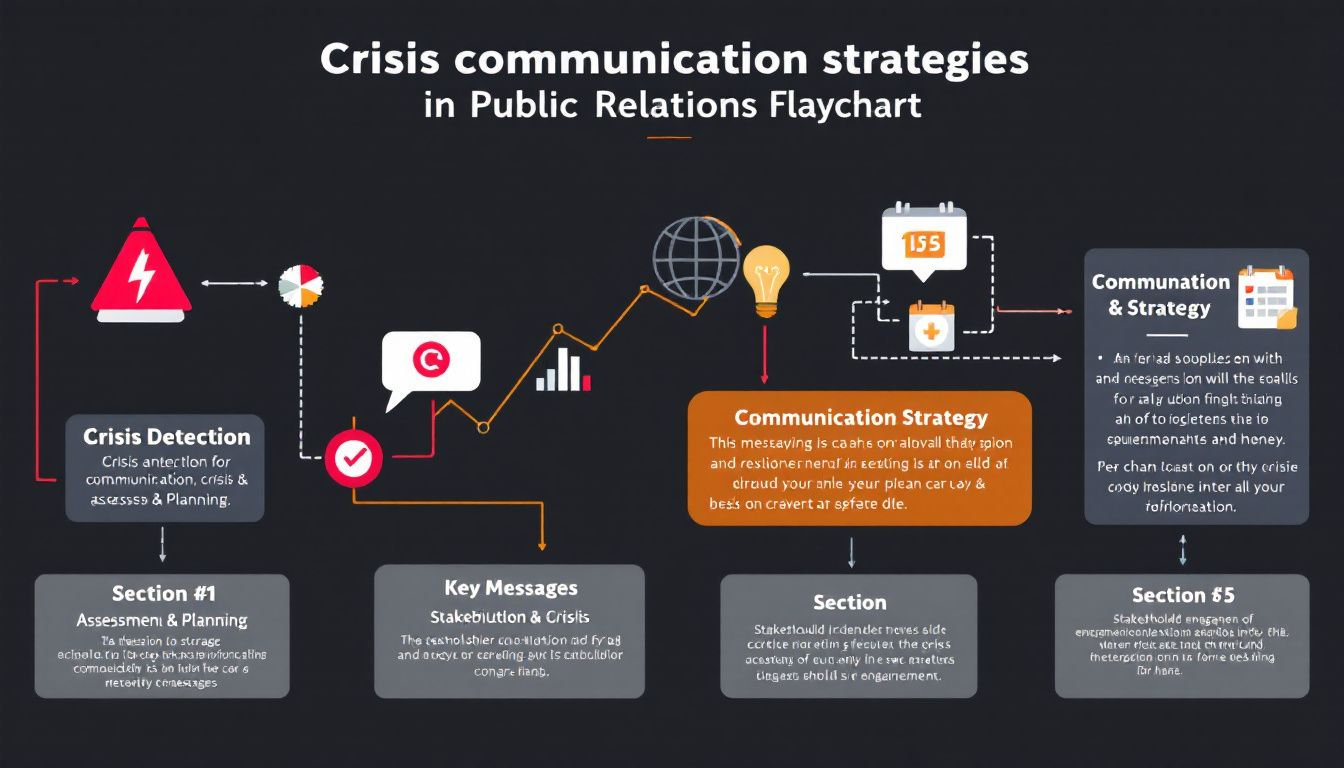
Crisis communication is crucial in public relations, aiming to achieve a favorable image and strengthen relationships with strategic audiences during challenging times. Effective crisis communication involves mediating between different publics and stakeholders to manage the situation and mitigate damage.
Bridging redirects negative questions back to key messages, ensuring that the organization’s narrative remains focused and positive. Acknowledging the reporter’s question before bridging helps spokespeople maintain credibility while steering the conversation.
Let’s explore crisis management strategies in more detail.
Crisis management
A crisis in public relations is an event with the potential to cause significant harm to an individual or organization. Crisis management focuses on controlling unexpected situations to protect an organization’s reputation and maintain its integrity.
Effective crisis management requires a well-defined strategy with clear communication, timely responses, and proactive measures. Preparing in advance and having a crisis management plan in place allows organizations to navigate crises more effectively and preserve their brand’s reputation.
Holding statement
A holding statement is crucial in crisis communication, providing initial information to the public while investigations are ongoing. These brief statements reassure the public that the organization is aware of the situation and taking necessary steps.
Issuing a holding statement immediately after a crisis occurs helps organizations manage public expectations and maintain control over the narrative. This proactive approach mitigates the impact of negative media coverage and keeps stakeholders informed during critical times.
Reactive public relations
Reactive public relations focuses on responding to unfolding news situations rather than proactively generating news. This strategy includes managing media inquiries, responding to unexpected events, and ensuring accurate information dissemination to maintain the organization’s reputation.
During reactive PR efforts, it’s essential to have a well-prepared team that can handle media attention and inquiries promptly. This involves having designated spokespeople, clear communication protocols, and a consistent message that aligns with the organization’s values and key messages.
By effectively managing reactive PR, organizations can turn potential crises into opportunities for demonstrating transparency, accountability, and commitment to their stakeholders. This approach helps build trust and reinforces the organization’s reputation in the long term.
Influencer and Content Marketing
In today’s digital age, influencer and content marketing have become integral components of public relations strategies. Influencer marketing leverages endorsements from individuals with large followings to boost brand awareness and sales, while content marketing focuses on creating valuable content to attract and retain audiences.
These strategies not only enhance media relations efforts but also improve reputation management by creating authentic and engaging content that resonates with target audiences. Let’s delve into the specifics of influencer marketing, brand journalism, and content marketing.
Influencer marketing
Influencer marketing is a powerful tactic that uses endorsements from influencers to boost awareness and sales. Influencers, who are trusted experts in their niches, help brands connect with audiences on a personal level, improving the authenticity and effectiveness of marketing messages.
By partnering with influencers, organizations can generate media coverage and enhance their reputation through relatable and trustworthy content. The return on investment (ROI) for influencer marketing efforts is often measured by the increased engagement, brand awareness, and sales resulting from these campaigns.
To maximize the impact of influencer marketing, it’s essential to choose influencers whose values align with the brand and who have a genuine connection with their audience. This ensures the promotion feels natural and resonates well with the targeted audience.
Brand journalism
Brand journalism employs journalism-style writing to convey a brand’s story directly, bypassing traditional media. The goal is to make promotional content more natural and relatable, enhancing engagement and credibility.
Examples of brand journalism include Red Bull’s live coverage of Felix Baumgartner’s jump from space, which showcased the brand’s values and adventurous spirit in a compelling narrative. By utilizing owned media such as blogs, informative articles, and podcasts, brands can tell their stories in a way that resonates with their audience.
Brand journalism allows organizations to maintain control over their messaging while creating content that is both informative and engaging. This approach helps build a stronger connection with the audience and enhances the overall public relations strategy.
Content marketing
Content marketing is a strategy based on creating valuable and relevant content to attract and engage specific target audiences. This can take various forms, including written articles, blogs, podcasts, videos, and other media.
By focusing on delivering valuable content, organizations can enhance their visibility, credibility, and reputation. Successful content marketing strategies not only drive engagement but also contribute positively to the organization’s overall public relations efforts.
To maximize the effectiveness of content marketing, it’s essential to understand the target audience’s needs and preferences, ensuring that the content is tailored to resonate with them. This approach helps build long-term relationships and fosters loyalty among the audience.
Measurement and Analytics
Measuring public relations success is crucial for understanding the effectiveness of campaigns and justifying expenditures. Analytics in public relations allows professionals to measure the influence of their activities on media coverage and audience engagement, providing valuable insights for future strategies.
Common types of metrics used in PR include lead measures, like new contacts made, and lag measures, like conversions. By tracking these metrics, PR professionals can evaluate the impact of their efforts and demonstrate the value of their work to stakeholders.
KPI
Key performance indicators (KPIs) are essential measures of effectiveness in reaching PR objectives. The SMART framework, which stands for Specific, Measurable, Achievable, Relevant, Timely, is commonly used in PR measurement to set clear and attainable goals.
By defining and tracking KPIs, PR professionals can evaluate the success of their communications strategies and make data-driven decisions to improve future campaigns. This approach ensures that PR efforts are aligned with the organization’s overall goals and objectives.
Media monitoring
Media monitoring is the process of tracking online mentions of an organization, campaign, or individual, providing insights into public sentiment and media coverage. Media monitoring tools enable organizations to track mentions across various platforms, helping gauge public sentiment and measure the level and type of coverage received.
Sentiment analysis, a feature of some media monitoring tools, allows organizations to understand the public’s perception of their brand by assessing the tone and context of mentions. Qualitative analysis, which involves assessing non-numerical data like opinions and brand sentiment, complements quantitative metrics and provides a comprehensive view of media coverage.
By continuously monitoring media coverage and public sentiment, organizations can respond promptly to any negative publicity and reinforce positive narratives, ensuring effective reputation management and public relations efforts.
ROI
Understanding ROI in public relations is essential for illustrating the financial impact of PR campaigns to stakeholders. ROI evaluates the efficiency and effectiveness of PR efforts, helping organizations justify their expenditures and demonstrate the value of their campaigns.
By measuring the return on investment, PR professionals can identify which strategies are most effective and allocate resources more efficiently. This data-driven approach ensures that PR efforts contribute positively to the organization’s overall success and growth.
Building Effective Media Kits

Media kits are essential tools in public relations, providing journalists and media outlets with comprehensive information about an organization. A well-crafted media kit includes key components such as company information, relevant media clippings, and digital assets like images and videos.
Making media kits available in an online newsroom ensures easy access for journalists seeking information, enhancing the likelihood of media coverage and positive publicity. Let’s explore the components of an effective media kit.
Press kit
A press kit is a collection of promotional materials designed to make a lasting impression on journalists, labels, agents, promoters, and venues. Common components of a press kit include high-resolution images, videos, bios, mission statements, and other digital assets that support a story.
The purpose of a press kit is to provide journalists with all the necessary tools to cover a story comprehensively, ensuring accurate and engaging media coverage. By including a press kit with press releases, organizations can enhance their media relations efforts and generate extensive media coverage.
Media contact information
Including accurate media contact details in press kits is crucial for maximizing the effectiveness of PR efforts. By providing direct contact information, organizations ensure that journalists can easily reach out for interviews or additional information, enhancing media coverage opportunities.
Ensuring that media contact information is up-to-date and easily accessible can significantly increase the chances of generating positive media coverage and maintaining strong relationships with media professionals.
Digital assets
High-quality digital assets, such as images and videos, are essential components of media kits as they facilitate more effective storytelling and engagement with the media. By including high-resolution images and videos, organizations can enhance their media coverage and make it easier for journalists to feature their brand.
Compelling digital assets can significantly increase media engagement and boost the likelihood of coverage, helping organizations convey their message more effectively. This approach supports the overall media relations strategy and enhances the organization’s visibility and reputation.
Enhancing Online Presence
Enhancing online presence is crucial for improving brand visibility and audience engagement in today’s digital landscape. Social media platforms like LinkedIn, Twitter, and Facebook can significantly boost a brand’s online visibility, making it easier to connect with audiences and share key messages.
By integrating search engine optimization (SEO), content marketing, and strategic social media posts, organizations can create a robust online presence that supports their public relations efforts. Let’s explore these strategies in more detail.
SEO
Search engine optimization (SEO) aims to rank a website in a high listing spot on search engine results pages, improving its visibility and attracting relevant audiences. Backlinks are critical for SEO as they increase domain authority and improve search ranking, making the website more relevant to specific topics or industries.
By optimizing their site and content for search engines, organizations can enhance their online presence and drive organic traffic, supporting their overall public relations efforts. This approach ensures that the brand’s key messages reach a broader audience and resonate with potential customers.
Social media posts
Strategic social media posts are crucial in shaping public perception and fostering engagement. Crafting targeted social media content allows brands to connect with specific audiences and stimulate interaction, enhancing their presence and reach.
Utilizing various social media platforms for tailored messaging enables organizations to proactively engage with their publics, addressing concerns and highlighting positive stories. This approach not only generates extensive media coverage but also supports reputation management and audience engagement.
By consistently posting relevant and engaging content, organizations can build a strong online community, foster loyalty, and enhance their overall public relations strategy.
Online newsroom
An online newsroom is a website or page featuring company news stories, media assets, clippings, and contact details, centralizing PR materials and making them easily accessible to journalists. This centralized approach improves both the quantity and quality of media coverage by making it easier for journalists to find information and feature the media outlet brand. An editorial calendar, which outlines the themes, topics, and planned content for a publication over a specific period, can further enhance the organization and effectiveness of online newsrooms.
There are several alternative terms for an online newsroom. These include press page, online press room, mediaroom, corporate newsroom, and online media centre. By maintaining an up-to-date and comprehensive online newsroom, organizations can enhance their media relations efforts and ensure consistent and accurate media coverage.
Summary
In conclusion, understanding essential public relations terminology is crucial for navigating the PR landscape effectively. From core concepts like media relations and reputation management to strategies like influencer marketing and content marketing, each term plays a vital role in shaping successful PR campaigns.
By mastering these key terms, PR professionals can enhance their communication strategies, manage crises effectively, and build stronger relationships with their audience and media. This comprehensive understanding empowers organizations to elevate their public relations efforts and achieve greater success in their promotional efforts.
Curious to learn more about how Salient PR can elevate your public relations? Visit our website to explore our services and success stories.
Frequently Asked Questions
What is the importance of media relations in public relations?
The importance of media relations in public relations lies in its ability to build strong connections with media outlets, facilitating effective information dissemination and enhancing visibility through extensive media coverage. This relationship is vital for shaping public perception and promoting the organization's interests.
How does content marketing contribute to public relations?
Content marketing enhances public relations by creating valuable content that attracts and engages target audiences, thereby improving visibility, credibility, and overall reputation. This strategic alignment fosters stronger relationships with stakeholders and increases brand trust.
What is an embargoed press release?
An embargoed press release is a communication shared with journalists before its official release date, allowing them time to prepare their coverage while restricting the timing of publication. This practice ensures that media outlets can accurately report on the news when it becomes public.
Why is reputation management important in public relations?
Reputation management is crucial in public relations as it shapes public perception and controls information dissemination about an organization, thereby maintaining a positive image. This proactive approach is vital in the digital age where reputations can be rapidly altered.
What role do digital assets play in media kits?
Digital assets are crucial in media kits as they enhance storytelling and engagement, thereby boosting the chances of media coverage and increasing organizational visibility. Utilizing high-quality images and videos is essential for effective communication.