
Essential Media Monitoring Best Practices: Top Tips for Success
Mastering media monitoring is essential for maintaining a positive brand image and making informed decisions. Media monitoring lets you track and analyze what is said about your brand across various media channels, helping you manage your reputation and evaluate the effectiveness of your PR efforts. In this guide, we explore the media monitoring best practices, including setting goals, selecting tools, and turning data into insights. Learn how to track your brand effectively and respond proactively to stay ahead of issues, capitalize on opportunities, and stay informed.
Key Takeaways
Media monitoring is key for brand management, helping companies gauge public sentiment and manage their reputation.
Setting clear, measurable goals for media monitoring ensures insights align with business objectives and enhances strategic development.
Choosing the right media monitoring tools with essential features like real-time alerts and sentiment analysis is crucial for effective tracking and response.
Using media monitoring effectively is essential for gaining a competitive edge, managing crises, and optimizing your brand’s media presence.
Understanding Media Monitoring Basics
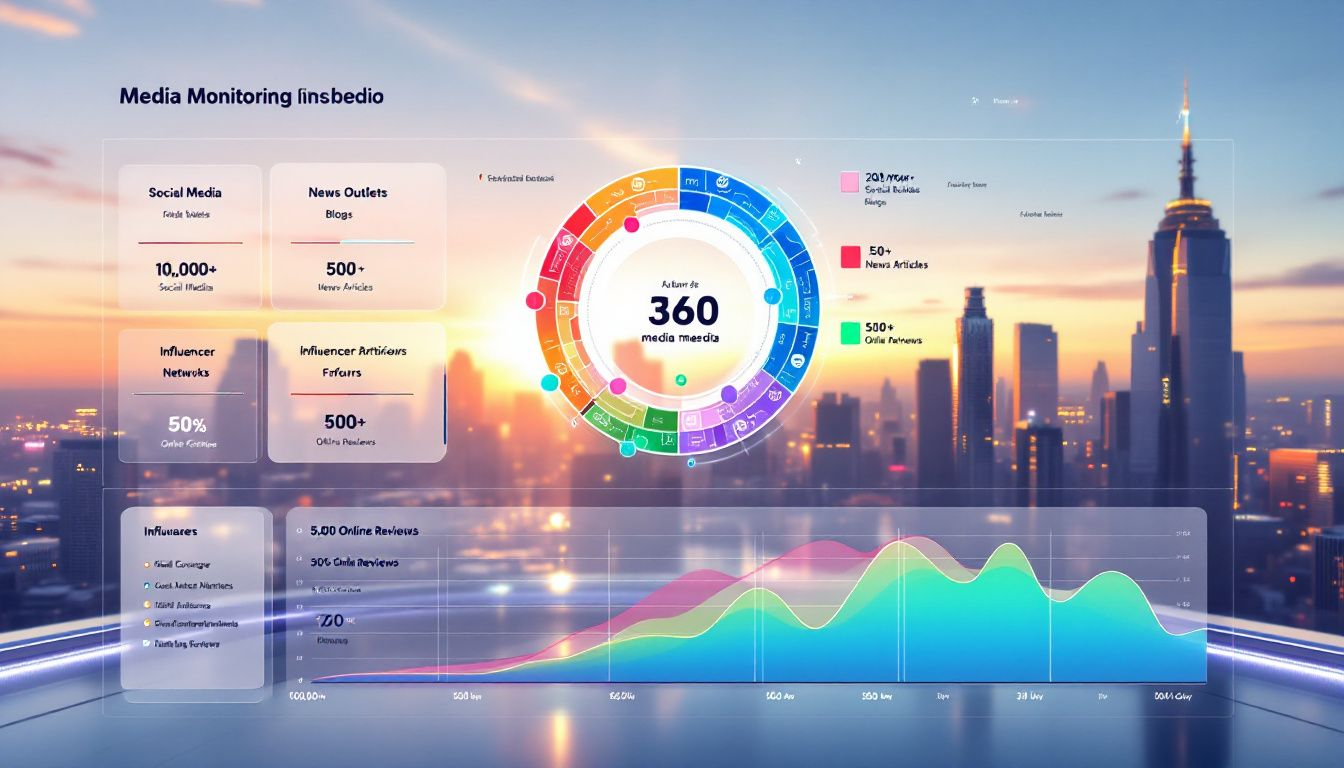
Media monitoring is the cornerstone of modern brand management. It’s not just about tracking mentions; it’s about understanding public sentiment and using that knowledge to shape your strategies. Effective media monitoring helps brands manage their reputation and respond to potential crises before they escalate. Media monitoring also supports media relations by helping brands build relationships with journalists and influencers, ensuring that key messages reach the right audiences.
Listening to online conversations allows businesses to identify customer pain points and improve brand perception. This is especially valuable for niche businesses that need to understand their target audience’s opinions. Media monitoring work involves setting up strategies and understanding how monitoring operates in real time to collect and analyze online mentions. Utilizing various media channels, from social media to print media, gives brands a comprehensive view of audience interactions.
To monitor media effectively, enterprises can gain an overview of media coverage and robust analytics, providing insights into their industry and competitors. This holistic approach helps brands enhance their reputation and develop informed strategies.
What is Media Monitoring?
At its core, media monitoring is the process of listening to conversations about a brand across various channels. This includes tracking mentions on social media platforms like Twitter, Facebook, and Instagram, as well as traditional media sources such as TV, radio, and newspapers. Media monitoring tools automate this process, working around the clock to gather information without human input. Effective media monitoring tools provide real-time alerts for mentions of your brand or keywords, ensuring timely responses to critical developments.
Most media monitoring tools offer features such as real-time alerts, keyword tracking, and notifications, making it easier to manage online reputation and respond promptly to important events.
These tools track mentions using specified keywords, providing insights into what is being said about the brand and who is saying it. This data is invaluable for PR managers, as it helps them understand public perception and performance. A comprehensive list of keywords should include brand names, product names, and competitors to ensure thorough monitoring.
Tuning into the broader media landscape helps organizations learn about their industry and find a common language with their target audience. The media monitoring process involves a systematic approach—setting up strategies, selecting appropriate tools, and analyzing data—to ensure comprehensive coverage and effective response.
Why Media Monitoring Matters
Understanding public sentiment through media monitoring allows companies to adjust their communication strategies effectively. This is essential for managing a brand’s reputation, as monitoring a brand's reputation is crucial for crisis management and shaping public perception. Ensuring positive media coverage and tracking media mentions allows businesses to detect potential crises early and respond promptly, preventing minor issues from escalating.
Media monitoring also helps identify trending topics, which can inspire content marketing strategiesand engage customers. Gaining media attention can significantly increase brand visibility and attract new opportunities, such as prospects, investors, and partners. Analyzing media monitoring data helps businesses discover new growth and marketing campaigns opportunities, enhancing brand loyalty and building stronger customer relationships.
Effective risk management plays a key role in preventing and mitigating potential media crises, making it an integral part of a comprehensive media monitoring strategy.
Setting Clear Goals for Media Monitoring
Setting clear, measurable goals maximizes the benefits of media monitoring. These objectives guide your monitoring efforts and ensure they align with your business objectives. To achieve actionable insights, it is essential to filter for relevant data so that your team focuses only on the information that truly matters. Specific goals, whether improving brand perception, tracking marketing campaign success, or detecting potential crises, provide actionable insights.
Selecting the appropriate media monitoring tool should align with your specific marketing strategies and organizational goals. Looping insights back to business goals ensures the relevance of the shared insights.
Aligning Goals with Business Objectives
Aligning media monitoring goals with overall business objectives fosters cohesive strategy development. This alignment helps organizations develop more effective media strategies that directly contribute to their business goals. Linking media monitoring objectives to overall business goals enhances strategic alignment.
Collaborating with other departments ensures that media monitoring goals adhere to the wider business strategy. This creates a more integrated approach that leverages insights from various departments, enhancing the overall effectiveness of your media monitoring strategy.
Collaborating Across Departments
Collaborative efforts across departments enhance the clarity and effectiveness of media monitoring strategies. Assigning specific roles in media monitoring promotes accountability and improves data management, ensuring that the insights gained are relevant and actionable.
Choosing the Right Media Monitoring Tools
The right media monitoring tool can make all the difference in the effectiveness of your media monitoring efforts. Specialized tools can scan global media sources for keywords, providing comprehensive coverage. When evaluating media monitoring services, consider factors such as coverage, data reliability, reporting features, usability, and cost. These tools come in various formats, including free options, automated tools, and curated services.
Media monitoring tools save time and improve efficiency compared to manual tracking methods. A media monitoring platform helps organizations track and analyze online mentions, news, and social media conversations, making it easier to manage brand reputation and monitor competitors. Media monitoring experts verify the reliability of data sources used by these tools to ensure accurate and relevant insights. These tools can save hundreds of hours compared to manual tracking, allowing teams to focus on strategic tasks rather than time-consuming data collection.
Advanced features like real-time alerts and customizable reports can further enhance the effectiveness of your media monitoring service strategy. A media monitoring solution can automate the collection of print media clippings and simplify the process of monitoring brand presence in traditional print outlets.
When selecting a tool, look for broadcast monitoring capabilities to track TV, radio, and podcast mentions for a comprehensive view of your brand's media presence.
Collecting and analyzing media data from various sources provides valuable, unified insights to inform your media strategy.
Identifying Essential Features
Key features to look for in the best media monitoring tools include real-time alerts, sentiment analysis, and easy reporting. Social listening is a key feature for tracking and analyzing social media conversations about your brand. A good media monitoring tool should have the capability to organize mentions effectively, with features like filing mentions, creating clippings, and sorting by sentiment.
Effective media monitoring requires tracking online news, monitoring social media for gathering audience insights and managing brand reputation, and traditional outlets like TV and radio. Tools like Brand24 monitor various media channels, including Facebook, Instagram, YouTube, and podcasts, ensuring comprehensive coverage.
Evaluating Tool Options
When choosing media monitoring tools, prioritizing value often matters more than the initial price. Key evaluation criteria include the number of monitored sources and the range of features offered.
A crucial feature to consider in reporting is the ability to get insights and share them effectively. Many tools offer a free trial period, allowing you to assess their cost-effectiveness and features before committing. Consider the time cost of media monitoring, as it involves consolidating data and eliminates the need for manual searches.
Effective Keyword Selection and Management
Choosing the right keywords is critical for enhancing the precision of media monitoring results. To ensure comprehensive monitoring and analysis, it is essential to gather all the data from various media channels and sources. Effective keyword selection ensures that the data collected is relevant and actionable, providing valuable insights for your marketing strategies and efforts. A monitoring routine should include regular reviews and updates of keywords and goals to ensure the process remains aligned with evolving business needs and market trends.
Using tools like Google Keyword Planner can aid in finding pertinent keywords for effective monitoring. Tailoring keywords to specific audience segments enhances targeting and improves the relevance of collected data.
Selecting Relevant Keywords
The right keywords determine the type of data received from media monitoring. Incorrect keywords can result in collecting irrelevant information. Monitoring variations and misspellings of a brand name provides a fuller picture of online presence.
Incorporating local language and dialect variations in keyword selection improves monitoring relevance. PR professionals in specific industries should consider relevant keywords that are pertinent to their market niche, such as ‘food trends 2023’ for the food industry.
Using Boolean Search Techniques
Boolean search techniques allow for more refined and targeted keyword searches in media monitoring. Operators like AND, OR, and NOT significantly enhance keyword searches by including, broadening, or excluding specific terms.
Analyzing Media Monitoring Data for Insights
Analyzing media monitoring data is vital for processing, interpreting, and extracting actionable insights for strategic decision-making. To analyze media coverage, brands should track and evaluate mentions and sentiment across various media channels, ensuring a thorough understanding of their media presence. Effective analysis allows brands to maintain a competitive edge and strategize with confidence.
Media monitoring’s advanced reporting capabilities provide actionable insights into engagement metrics and media coverage impact, including a comprehensive media monitoring report. By analyzing data, businesses can gain valuable insights into brand reputation and industry trends, supporting more informed decisions. Real-time monitoring enables prompt responses to brand mentions and sentiment changes, enhancing reputational management. Automated media monitoring reports can help businesses track the effectiveness of their PR and marketing campaigns, offering a clear view of what strategies are working. Key performance indicators (KPIs) should track metrics such as brand mentions, sentiment, engagement, and share of voice to measure the success of these efforts effectively.
Tracking online mentions in real time is crucial for reputation management and understanding public perception, especially during significant events and media coverage.
Categorizing Mentions
Sentiment analysis is a powerful tool in media monitoring that helps businesses assess overall customer sentiment regarding their brand. By evaluating both positive and negative sentiment, organizations can better understand their brand reputation and make informed decisions to guide their strategies. It involves the automatic interpretation of text data as positive, neutral, or negative, allowing organizations to quickly gauge public sentiment. Media monitoring tools allow businesses to filter information from posts, replies, and comments to analyze audience sentiments more effectively.
Influence categorization of media mentions aids in identifying key opinion leaders that affect public perception. Monitoring signals provides timely updates on public sentiment shifts, facilitating quick responses and helping organizations stay ahead of potential issues.
Generating Comprehensive Reports
Creating comprehensive media monitoring reports transforms raw data into valuable insights that guide strategic decisions. Reports should include detailed analyses of brand perception over different time periods, providing a clear picture of performance. Social media monitoring can gather insights into reactions and sentiments about a brand or campaign, which are crucial for future strategies.
Visual data representations, such as graphs and charts, enhance the clarity and impact of media monitoring reports. Visual data representations help stakeholders quickly grasp key insights, making it easier to communicate media monitoring results and demonstrate PR campaign impact.
Responding to Media Mentions Effectively
Quick and effective responses to media mentions can significantly enhance your brand’s image and trust. Monitoring your own brand is essential to control the narrative and respond to feedback, helping you manage your reputation across various media channels. Neglecting negative mentions can harm your brand’s reputation and customer trust, so addressing feedback proactively is crucial.
Media monitoring allows companies to continuously assess public relations and marketing strategy effectiveness, ensuring alignment with public sentiment in their pr and marketing campaigns.
Prioritizing Responses
Categorizing media mentions by relevance helps businesses prioritize issues that require immediate action. Knowing who mentions your brand is crucial as it influences brand perception. By understanding your supporters and detractors, you can target your communication more effectively and manage the narrative during a crisis.
Taking prompt action on negative brand mentions is essential. Effective media monitoring manages the narrative during a crisis, allowing organizations to respond to misinformation and mitigate potential damage.
AI social media monitoring enhances customer engagement by quickly responding to needs.
Engaging with Influencers
Identifying important social media influencers is crucial for building trust and verifying brand credibility. Media monitoring helps communications professionals identify potential brand ambassadors who frequently discuss your brand or market niche, allowing for thoughtful engagement and stronger relationships. Using media monitoring can also help you identify potential influencers and journalists for outreach, expanding your network and amplifying your brand’s reach.
Engaging with influencers helps a PR professional manage media sentiment, understand public sentiment, and respond transparently, improving brand reputation and customer trust. This engagement also provides an opportunity to gather valuable insights that can inform marketing strategies and campaigns, ensuring they resonate with the target audience.
Leveraging Media Monitoring for Crisis Management
Media monitoring acts as an early warning system for potential crises, enabling organizations to detect negative mentions early and react promptly. Monitoring your brand's online presence is crucial during crisis management, as it helps assess reputation, track emerging issues, and respond to customer feedback in real time. Effective media monitoring alerts businesses to risks and threats, enabling timely actions to mitigate adverse impacts.
Evaluating public image before a crisis helps companies identify focus areas for recovery post-crisis.
Early Detection of Crises
Media monitoring identifies potential crises and allows for quick response. Updates on surges in negative sentiment help manage potential media crises by enabling immediate reactions and preventing escalation. Tools such as Storm Alerts can aid in identifying a PR crisis promptly. They can also help in overcoming the challenges posed by such a situation quickly.
PR professionals rely on real-time media monitoring with alerts for updates during a crisis. Ignoring negative comments can lead to a crisis, so listening and responding effectively during a crisis is essential to manage communication and resolve conflicts.
Developing a Crisis Response Plan
Establishing a crisis communication plan is crucial for guiding responses during emergencies. Media monitoring can help identify potential supporters and influencers who can advocate on behalf of the brand during a crisis. Observing how competitors handle crises provides valuable insights and helps adapt strategies effectively.
After a crisis, it is important to track media coverage to assess the impact and inform recovery strategies. Monitoring and analyzing media coverage post-crisis determines the impact and identifies actions to restore the brand’s reputation. Learning from each crisis helps organizations refine strategies and improve preparedness for future crises.
Integrating AI and Automation in Media Monitoring
AI enhances the accuracy and efficiency of media monitoring processes. Online monitoring powered by AI enables brands to track mentions across multiple platforms efficiently. AI-powered tools automate data analysis and identify trends more effectively, providing actionable recommendations to improve brand reputation and awareness.
Automated alerts provide real-time updates on important topics and mentions, facilitating quicker responses.
Benefits of AI-Powered Tools
Modern media monitoring uses machine learning and sophisticated algorithms to track key metrics like reach, sentiment, and share of voice. AI-powered media monitoring tools analyze these metrics to provide a comprehensive understanding of media performance and offer actionable recommendations.
These tools streamline data collection and analysis, making media monitoring more effective and responsive to changing conditions. Benefits include automated data analysis and trend identification, helping brands stay ahead of the competition.
Implementing Automated Alerts
Automated alerts enable prompt reactions to significant changes in public sentiment. Real-time alerts support monitoring crucial events as they unfold, ensuring immediate responses to key mentions.
Mobile applications for media monitoring provide immediate notifications, allowing for quick and informed decision-making.
Sharing Insights with Stakeholders
Sharing insights from media monitoring builds trust and loyalty among stakeholders. Quality media monitoring reports should be concise and clear, highlighting key metrics related to business goals.
Tailoring reports to the audience’s needs and focusing on key headlines rather than extensive details is crucial when sharing results.
Creating Clear Reports
Clear reports effectively communicate media monitoring findings to stakeholders. Reports should focus on key headlines to ensure clarity and engagement, helping stakeholders quickly understand insights and their implications for the business.
Regular Updates and Meetings
Frequent updates keep stakeholders engaged and informed about media monitoring outcomes. Regular updates and meetings ensure that everyone is on the same page, facilitating better decision-making and strategic planning.
Consistently sharing insights maintains transparency and fosters a collaborative environment where stakeholders feel involved and informed. Ongoing communication helps align media monitoring efforts with broader business objectives and enhances overall effectiveness.
Avoiding Common Media Monitoring Mistakes
Common media monitoring mistakes include ignoring negative sentiment and overlooking long-term trends. Ignoring negative sentiment can lead to unresolved issues that damage brand reputation. Overlooking long-term trends can result in missed opportunities for strategic planning and brand development.
Avoiding these common mistakes enhances media monitoring processes and improves public perception management.
Ignoring Negative Sentiment
Monitoring for negative comments is crucial to catch and address potential issues before they escalate. When negative sentiment arises regarding your brand, paying attention and addressing it proactively is essential.
Maintaining flexibility in media monitoring strategies keeps up with evolving trends and prevents potential losses.
Overlooking Long-Term Trends
Benchmarking in media monitoring tracks coverage over months, quarters, and years to assess a brand’s performance over time. Marketers must balance short-term progress with long-term ambitions, ensuring immediate tasks do not overshadow strategic planning.
Marketers should look for recurring issues about the brand and industry through media monitoring, revealing patterns and trends that inform strategy. Post-crisis analysis through media monitoring provides insights for refining future crisis management strategies. Monitoring industry trends can provide valuable insights that inform your marketing and PR strategies, helping you stay ahead in a competitive landscape.
Adapting Media Monitoring Strategies to Evolving Trends
Monitoring online trends is crucial for brands to adjust strategies effectively. Marketers should focus on both short-term results and long-term industry trends to inform strategic planning. Analyzing regional differences in audience perceptions and behaviors is essential, as it allows brands to refine media monitoring strategies and tailor responses to specific geographic areas. Failing to recognize long-term trends can lead to missed opportunities for strategic adjustments.
Sentiment analysis helps prioritize mentions that require immediate attention, ensuring businesses stay agile and responsive to changes in the media landscape.
Keeping Up with Media Consumption Changes
Adapting monitoring strategies is essential as media consumption habits evolve. Emerging platforms can drastically influence audience engagement and should be closely monitored. Changes in audience preferences can shift how and where media is consumed, affecting monitoring strategies.
By staying updated on these changes, businesses can ensure their media monitoring efforts remain relevant and effective, providing insights that drive informed decision-making.
Personalizing Monitoring for Niche Markets
Tailoring media monitoring efforts to specific niche markets can enhance relevance and effectiveness. Effective personalization in media monitoring requires analyzing audience demographics to craft targeted messages that resonate with specific segments.
Utilizing sentiment analysis helps brands understand the emotional context of discussions within niche markets, ensuring their strategies are aligned with audience expectations and needs.
Summary
In conclusion, effective media monitoring is essential for managing brand perception, detecting crises early, and making informed strategic decisions. By understanding the basics, setting clear goals, choosing the right tools, and analyzing data effectively, businesses can leverage media monitoring to stay ahead of the competition and build stronger relationships with their audience.
As media consumption habits continue to evolve, it’s crucial to adapt your media monitoring strategies to stay relevant and responsive. By avoiding common mistakes and integrating AI and automation, you can enhance the effectiveness of your media monitoring efforts and ensure your brand thrives in the ever-changing media landscape. The media monitoring strategy should be continuously refined based on evolving market dynamics to maintain its relevance and effectiveness.
Curious to learn more about how Salient PR can elevate your public relations? Visit our website to explore our services and success stories.
Frequently Asked Questions
What is media monitoring?
Media monitoring is all about keeping tabs on how your brand is being talked about across different platforms like social media, news sites, and more. It’s crucial for understanding public sentiment and protecting your brand’s reputation.
Why is media monitoring important?
Media monitoring is essential for managing how your brand is perceived and spotting potential crises before they escalate. It helps you understand public sentiment and make informed strategic decisions that can lead to growth opportunities.
How do I choose the right media monitoring tool?
To pick the right media monitoring tool, focus on its features, cost-effectiveness, and how well it matches your business goals. Make sure it can monitor a wide range of sources and offer real-time alerts for the best results.
What are some common mistakes in media monitoring?
Ignoring negative sentiment and long-term trends are common mistakes in media monitoring that can harm your brand's reputation and prevent smart strategic planning. Stay aware of these pitfalls to protect your brand and seize opportunities.
How can AI and automation enhance media monitoring?
AI and automation can greatly boost media monitoring by improving accuracy and efficiency. With AI tools handling data analysis and trend identification, you’ll receive real-time alerts, allowing you to respond quickly to shifts in public sentiment.