
Effective Communication in PR: Strategies and Channels You Need to Know
Wondering how to improve communication in PR? Effective PR communication shapes public perception and builds strong reputations. Strategic communication allows an organization to integrate its overall purpose with long-term vision and external pressures. The strategic plan provides a framework to maintain mutually beneficial relationships and deal with problems or opportunities. Research is essential in strategic communication to gather information and data before, during, and after a campaign. This article explores key strategies and channels, offering practical tips to enhance your PR efforts and connect better with your audience.
Key Takeaways
Effective communication in PR is essential for managing reputation, building trust, and enhancing visibility through tailored strategies for various stakeholders.
A diverse array of communication channels, both traditional and digital, is necessary for impactful PR communication, with each channel serving distinct purposes and audiences.
Crisis communication requires transparent and rapid responses, with a focus on maintaining public trust through effective messaging, media relations, and real-time digital engagement.
Research is essential in strategic communication to gather information and data before, during, and after a campaign, ensuring informed decision-making and effective execution.
Understanding Communication in PR

Effective communication in public relations is the cornerstone of managing a company’s reputation. The primary role of PR is to present a person, company, or brand positively, which in turn builds trust and enhances visibility. Public relations primarily focuses on managing relationships with media contacts and interested stakeholders. Communications extend their reach to the general public, community groups, and potential employees. Leveraging PR and communications allows brands to create integrated strategies that enhance their public image and foster deeper connections with their audiences. A public relations company can play a vital role in this process.
At its core, PR aims to shape perceptions and manage public perception through targeted communication. This involves controlling the narrative based on brand values and objectives, which can significantly boost brand awareness and trust among different stakeholders. Communications tends to be more strategic and long-term in nature with consistent messaging. Successful PR strategies go beyond mere visibility; they can shape or even change opinions and behaviors, proving the immense power of well-crafted communication.
Different stakeholders, such as media, employees, and customers, require tailored communication strategies. An effective PR campaign targets these groups with specific messages designed to resonate and engage. Internal communications make sure that employees, managers, and investors are aligned with the company's objectives. Nurturing long-term relationships with media contacts secures positive coverage and credibility. Mastering the art of communication in PR is crucial for managing public perception and maintaining a strong reputation.
Key Communication Channels in PR
Navigating the myriad of communication channels available in PR can be challenging but immensely rewarding. From traditional methods like press releases and news conferences to modern tools like social media posts, each channel offers unique advantages. Social media is a powerful communication channel that can greatly benefit businesses if used correctly. Events can be used by all businesses to reach a wide audience and build client trust. Choosing the right communication channel is crucial, as it amplifies the reach and impact of your message. Maintaining a uniform tone and core message across all communication channels reinforces brand identity.
Understanding the media landscape intimately is key for effective PR communication. This includes knowledge of various media channels such as intranet, employee meetings, social media sites, and email newsletters. These channels cater to different audiences and serve distinct purposes, making it vital to choose the appropriate one for effective communication.
Major companies manage corporate communications by leveraging these channels to build relationships and maintain media coverage. Strategically using a mix of traditional and digital media ensures that PR teams deliver key messages to the intended audience, enhancing the effectiveness of their campaigns.
Crafting Effective Messages for Your Audience
Crafting messages that resonate with your target audience is an art form that requires a deep understanding of your target market’s demographics and psychographics. With hyper-personalization on the rise, PR professionals need to tailor communications to the preferences and expectations of their audience segments.
Transparency and authenticity are fundamental in modern PR, driven by the public’s increasing demand for honesty. Effective PR messages start with clear objectives, ensuring alignment with the brand’s core values. Storytelling plays a crucial role in this process, as it helps emotionally engage the audience and convey complex ideas in a relatable manner. Multimedia storytelling uses various formats to create emotional connections with audiences.
Effective communication requires messages to be clear, concise, and free of jargon. Highlighting unique selling points and incorporating creativity, such as memorable visuals or taglines, can significantly enhance the impact of your PR messages. Consistent communication ensures a cohesive and unified narrative, essential for building trust and credibility. Maintaining a uniform tone and core message across all communication channels reinforces brand identity, ensuring that audiences receive a consistent and recognizable message.
Media Relations: Building Mutually Beneficial Relationships

Building strong media relations is a cornerstone of successful PR. Building rapport with journalists and media outlets greatly enhances a company’s reputation and visibility. Positioning key personnel as thought leaders builds organization credibility and trust. Personalizing outreach and tailoring messages to journalists’ interests are key strategies.
News stories and articles offer a level of credibility that advertisements simply cannot match. They provide independent endorsements that can significantly boost a brand’s trustworthiness. Earned media is considered the most trustworthy form of PR, as it comes from independent sources rather than being paid for. PR teams use fact sheets and media kits to supply journalists with comprehensive, accurate information, making company news coverage easier.
Understanding what stories the media are looking for and avoiding spammy pitches is crucial for maintaining good relationships with journalists. A successful media relations strategy is built on clear objectives, audience insights, and effective media monitoring, ensuring that the right messages reach the right people at the right time.
Internal Communications: Engaging Employees and Stakeholders
Internal communications play a vital role in engaging employees and aligning them with the organization’s objectives. This involves transmitting management messages clearly and regularly to prevent misinformation and build trust among staff. Engagement fosters community and loyalty, turning customers into brand advocates. Regular updates through internal channels such as intranets, email newsletters, and face-to-face meetings help maintain transparency and foster a sense of community among employees.
Two-way communication is key for effective employee engagement. It allows them to provide feedback, increasing their engagement and satisfaction. During crises, internal communication becomes even more critical, as it ensures that employees are aware of the situation and understand their roles in maintaining operational continuity.
Empathy in communication acknowledges the emotional toll on employees during challenging times, strengthening trust and loyalty. Utilizing diverse communication strategies helps organizations create an inclusive and supportive environment, enhancing employee engagement and productivity.
Crisis Communication: Managing Public Perception During Adversity
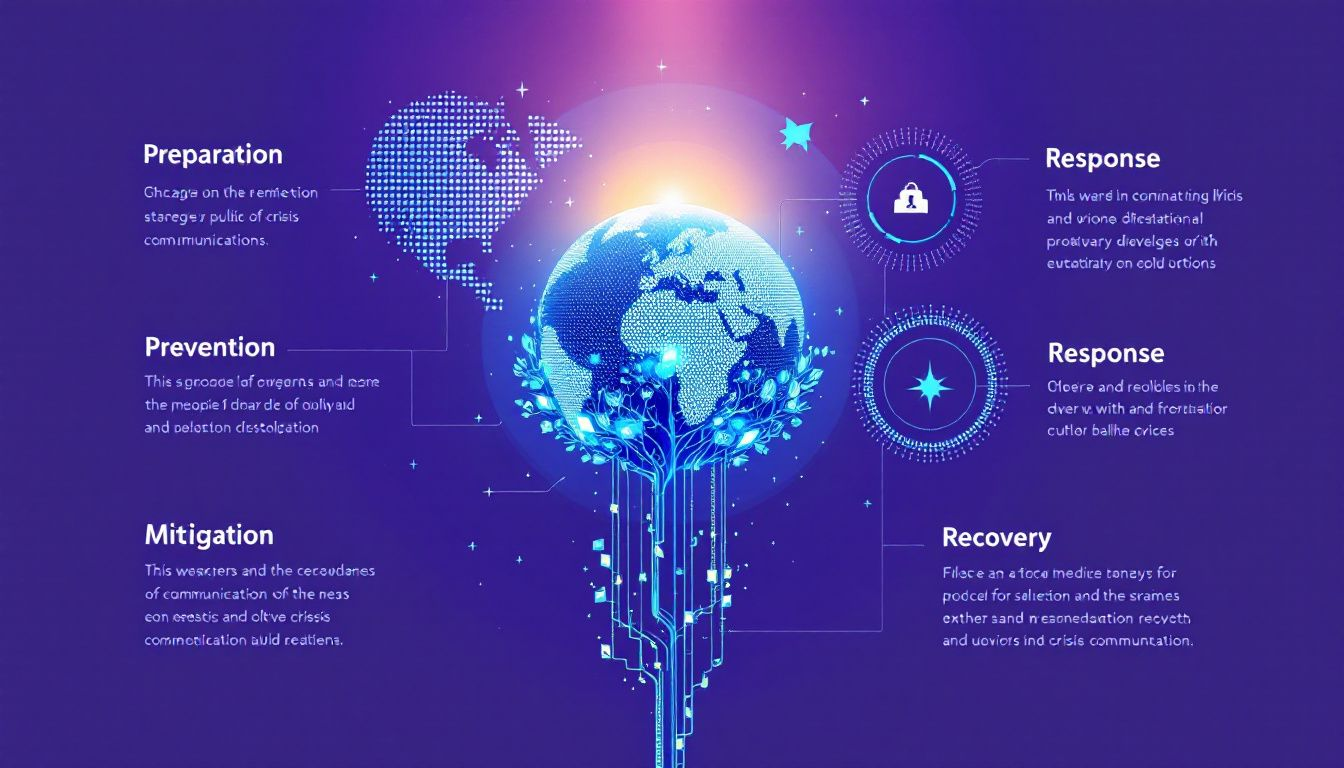
Crisis communication is a critical aspect of PR, requiring a detailed plan for rapid responses and designated spokespersons. A comprehensive crisis communication plan emphasizing transparency and accountability is vital for effective crisis navigation in communications public relations. Press conferences are often used to disseminate urgent news and updates, providing a platform for direct and clear communication. Modern PR emphasizes two-way communication and active feedback gathering.
Effective media relations during a crisis can enhance brand visibility and credibility. Objective endorsements from earned media can significantly mitigate reputational damage. Examples like Johnson & Johnson’s response to the Tylenol crisis highlight the importance of decisive and transparent actions in maintaining public trust.
In today’s digital age, real-time responses on digital platforms are crucial for maintaining control over the narrative. Balancing speed with accuracy is vital, as quick acknowledgments of issues should be paired with detailed, factual follow-ups to ensure effective crisis management.
Measuring the Effectiveness of Your PR Campaigns
Measuring the effectiveness of PR campaigns is crucial for assessing success and informing future strategies. Key performance indicators (KPIs) such as media coverage, mentions, audience sentiment, and social media engagement provide valuable insights into the impact of PR efforts. Metrics like reach and impressions indicate how many people have seen PR materials, helping to assess visibility.
Engagement metrics, including likes, shares, and comments, offer insights into how the audience interacts with PR content. Media monitoring software and analytics platforms are essential tools for measuring the success of PR campaigns. Sentiment analysis tools help gauge public perception by categorizing reactions as positive, neutral, or negative. Active listening through social media and surveys provides insights into public perception.
Real-time data analytics enable PR professionals to adjust their strategies dynamically, ensuring continuous improvement in PR efforts. Comparative analysis against industry benchmarks or past campaigns can further refine strategies, leading to more effective PR campaigns.
The Role of Digital Media in Modern PR
Digital media has revolutionized public relations, with two-thirds of U.S. adults relying on digital platforms for news. Social media sites like YouTube, Facebook, and Instagram have become key platforms for engagement, allowing PR professionals to reach wide and varied audiences. Blogs and podcasts offer additional channels for more extended and less formal communication, catering to the growing demand for diverse content formats. Influencers can drive brand awareness and traffic to businesses by aligning with target audience values.
The integration of digital media into PR strategies enhances the ability to manage reputation management and engage with audiences in real-time. This requires a deep understanding of the digital landscape and the ability to craft tailored messages that resonate with online communities. Word of mouth is a highly trusted source of information and is encouraged by businesses for acquiring customer recommendations. Owned media includes content that a company directly controls, such as its own blogs and websites.
Leveraging digital media allows PR professionals to achieve greater reach and impact, ensuring their messages are heard clearly.
Government Relations: Navigating Public Policy and Regulations
Government relations is a specialized aspect of PR that involves interactions between organizations and government officials to influence policy decisions. Building relationships with policymakers and providing expertise on relevant issues are key components of effective government relations. Community involvement and corporate social responsibility strengthen local relationships. Lobbying, a specific aspect of government relations, focuses on advocating for or against particular legislation to benefit an organization’s interests.
Government relations consultants play a crucial role in advocating for policies that support innovation and help organizations achieve regulatory compliance. Facilitating strategic interactions with government departments and officials helps shape the regulatory landscape in favor of clients.
Town hall meetings and other public forums are also used to engage with policymakers and the community, ensuring that organizations’ voices are heard in the public policy arena.
The Future of Communication in PR
The future of communication in PR is increasingly data-driven, with analytics playing a vital role in forecasting trends and measuring campaign effectiveness. The ability to mine data effectively allows PR professionals to tailor their strategies to the needs and preferences of their audience, ensuring personalized messaging that resonates deeply.
Integrated communication strategies that unify traditional and digital channels are crucial for reaching broader audiences and improving message consistency. Utilizing diverse platforms, including social media, press releases, and internal newsletters, will help convey unified messaging across various audiences. This harmonization of communication methods facilitates better stakeholder engagement and effective communications management of public perception.
As communication channels continue to evolve, sustaining integrated strategies will be crucial in adapting to the dynamic landscape of PR. PR professionals must stay ahead of these changes by embracing new technologies and methodologies, ensuring their campaigns remain relevant and impactful.
Summary
Effective communication in PR is a multifaceted endeavor that involves understanding and utilizing various channels, crafting compelling messages, building strong media relationships, engaging internal stakeholders, managing crises, and measuring success. Strategic communications should align with broader business objectives to ensure message relevance. By mastering these aspects, PR professionals can significantly enhance their organization’s reputation and public perception.
As we look to the future, the integration of data analytics and digital media will continue to shape the PR landscape. By staying ahead of these trends and continuously refining their strategies, PR professionals can ensure their campaigns remain effective and impactful.
Curious to learn more about how Salient PR can elevate your public relations? Visit our website to explore our services and success stories.
Frequently Asked Questions
Why is communication important in public services?
Communication is crucial in public services as it fosters trust and engagement between the government and citizens. This relationship enhances community involvement and ensures that citizens feel their concerns are valued.
What are the key communication channels in PR?
The key communication channels in public relations include press releases, news conferences, interviews, and social media, among others. Utilizing these channels effectively can enhance your PR strategy and communication outreach.
How can I craft effective PR messages?
To craft effective PR messages, focus on your target audience's demographics and psychographics. Ensure authenticity and transparency, and incorporate clear objectives along with compelling storytelling. These elements will enhance engagement and impact.
Why are media relations important in PR?
Media relations are essential in PR because they enhance a brand's credibility and visibility through independent endorsements provided by news coverage, ultimately fostering trust with the audience.
How do I measure the effectiveness of my PR campaigns?
To effectively measure the success of your PR campaigns, track key performance indicators such as media coverage, audience sentiment, social media engagement, and impressions. Utilizing media monitoring software and analytics platforms will enhance your evaluation.